
Unlocking the Enigma of Bed Bug Blisters: A Comprehensive Analysis
Preventive Pest Control Strategies
To effectively combat the menace of bed bug blisters, it is crucial to implement robust preventive pest control strategies within your home environment. Starting with safeguarding your house exterior, sealing cracks and crevices is essential to block potential entry points for pests. Clearing debris around your property is also vital in eliminating hiding spots for insects. Equally important is taking measures to prevent pests from entering your home through proper maintenance and regular inspections.
When it comes to yard maintenance, it's imperative to engage in essential yard care routines such as mowing the lawn regularly, trimming bushes, and removing any stagnant water sources. By maintaining a well-kept yard, you can significantly reduce the risk of pest infestations. Indoors, maintaining cleanliness is key to preventing pests. Adopt expert cleaning tips and techniques, ensuring all areas are regularly cleaned and sanitized to create a pest-resistant indoor environment.
Proper garbage disposal is another crucial aspect of pest prevention. Implement efficient waste disposal methods to remove attractants for pests and reduce infestation risks. Additionally, incorporating innovative pest prevention strategies, such as installing pest-resistant screens on windows and doors, can further safeguard your home against unwanted intruders.
Introduction
Overview of Bed Bug Blisters
Dermatological Impact
The dermatological impact of bed bug blisters is a key aspect to consider when discussing this topic. These fluid-filled bumps can result in redness, swelling, and intense itching, significantly affecting the quality of life of those affected. The appearance and texture of bed bug blisters can vary, making them a notable sign of bed bug infestations. Understanding the dermatological impact of these blisters is essential in recognizing and effectively treating them.
Clinical Presentation
When examining the clinical presentation of bed bug blisters, various characteristics come into play. These include the distribution of the blisters on the body, with common areas such as arms, legs, and torso being frequently affected. The clinical presentation provides valuable information for healthcare professionals to differentiate bed bug bites from other skin conditions. Recognizing the distinctive features of bed bug blisters in a clinical setting is crucial for accurate diagnosis and appropriate management.
Characteristics of Bed Bug Blisters
In this article, we delve into the essential topic of the characteristics of bed bug blisters, shedding light on their significance in understanding and addressing this dermatological issue thoroughly. By examining the appearance, texture, and distribution of bed bug blisters, readers will acquire a detailed comprehension of how these manifestations present on the skin, aiding in effective identification and treatment.
Appearance and Texture
Small Fluid-filled Bumps
Exploring the intricacies of small fluid-filled bumps associated with bed bug blisters unveils crucial insights into the dermal response to these bites. These bumps, typically characterized by their diminutive yet identifiable nature, play a pivotal role in manifesting the body's reaction to bed bug saliva injection. Understanding the formation of these bumps is vital for recognizing early signs of bed bug infestation and taking prompt measures to address them. The presence of small fluid-filled bumps signifies the body's inflammatory response to the introduction of foreign substances, serving as a primary indicator of bed bug bites. While discomfort may accompany these bumps, their appearance serves as an alert for potential infestation, prompting proactive measures for mitigation.
Redness and Swelling
Redness and swelling, prominent features of bed bug blisters, provide visual cues to the inflammatory reactions triggered by these insect bites. The characteristic redness around the affected area signifies increased blood flow and immune response, highlighting the body's defense mechanism. Similarly, swelling indicates localized edema, a physiological reaction aimed at isolating and eliminating potential pathogens introduced by bed bugs. Understanding the correlation between redness, swelling, and the presence of bed bug blisters aids in accurate identification and differentiation from other skin conditions. While redness and swelling may cause discomfort, their role as indicators of bed bug infestation is invaluable in addressing and resolving such dermatological concerns effectively.
Distribution on the Body
Common Areas Affected

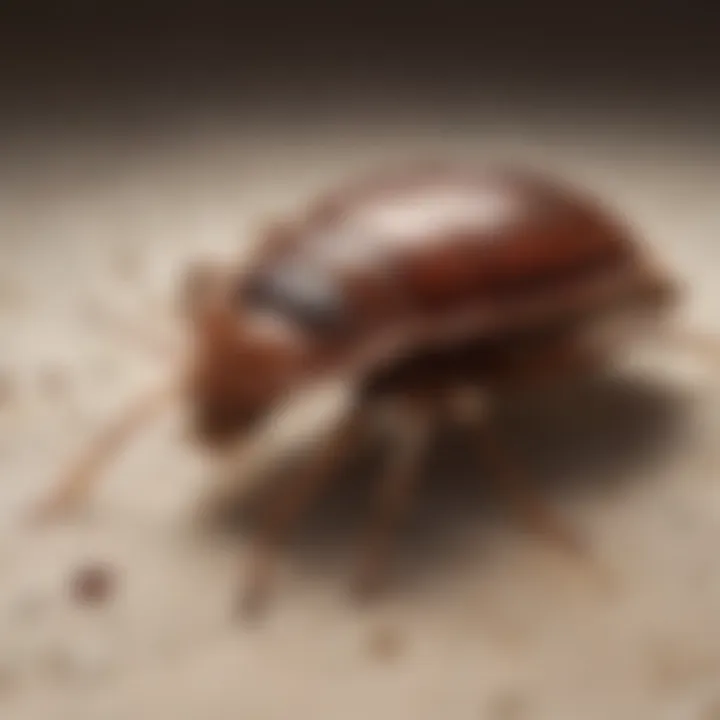
An examination of the common areas affected by bed bug blisters offers valuable insights into the typical patterns of manifestation on the human body. Focusing on areas prone to bed bug bites, including exposed regions during sleep or rest, enhances the detection and management of these blisters. Common sites such as the arms, legs, and torso serve as preferred locations for bed bug feeding, resulting in clustered blisters and bite marks. Understanding the distribution patterns assists in proactive identification of bed bug infestations and aids in implementing targeted preventive measures. By recognizing the common areas where bed bug blisters occur, individuals can adopt preventive strategies and minimize the risk of recurrent bites, promoting overall skin health and well-being.
Causes of Bed Bug Blisters
The section focusing on the causes of bed bug blisters is critical within the context of this article as it sheds light on the fundamental factors leading to these dermatological manifestations. By delving into the causes, readers can better understand how bed bug blisters develop and the implications they hold for individuals. Exploring the triggers behind bed bug bites allows for a deeper appreciation of the significance of early identification and prompt treatment. Understanding the causes is not only informative but also empowers readers to take proactive measures in preventing and addressing bed bug infestations.
Bed Bug Bites
Feeding Behavior:
When discussing the feeding behavior of bed bugs, it is essential to highlight their preferred method of obtaining a blood meal. Bed bugs exhibit a unique feeding behavior characterized by their nocturnal activity and attraction to warm-blooded hosts. Their ability to detect carbon dioxide and body heat enables precise targeting of their human or animal hosts during feeding sessions. This methodical approach ensures a sustained feeding process, often leading to multiple bites on the same individual. Despite the nuisance of their bites, bed bugs' feeding behavior is an evolutionary adaptation that enhances their survival and reproduction, making them formidable pests in the realm of dermatological concerns.
Anticoagulant Properties of Bed Bug Saliva:
Another crucial aspect in understanding bed bug bites is the presence of anticoagulant properties in their saliva. These properties play a key role in ensuring the smooth flow of blood during feeding by preventing immediate clotting at the bite site. The saliva contains chemical compounds that act as vasodilators and platelet inhibitors, promoting efficient feeding for the bed bugs. While these anticoagulants benefit the bed bugs in securing a blood meal, they result in adverse reactions in the host, manifesting as redness, swelling, and the formation of blisters. Acknowledging the presence of anticoagulant properties in bed bug saliva emphasizes the complex interplay between parasite and host, underscoring the challenges in mitigating the effects of their bites in the context of dermatology.
Symptoms and Effects
Bed bug blisters can cause a range of symptoms and effects that significantly impact individuals who have been bitten. Understanding these symptoms is vital in recognizing and addressing bed bug infestations promptly. One of the most prevalent effects experienced is incessant itching and discomfort, which can become debilitating for some individuals. The relentless urge to scratch the affected areas can lead to skin irritation, potential infections, and disrupted sleep patterns.
Itching and Discomfort
Inflammatory Response
In the context of bed bug blisters, the body's inflammatory response plays a crucial role in exacerbating itching and discomfort. When bed bugs feed on human blood, they inject saliva containing anticoagulants and proteins that trigger an immune response. This response results in localized inflammation, characterized by redness, swelling, and warmth around the bite site. The inflammatory components released by the body aim to neutralize any perceived threats, inadvertently causing discomfort and itchiness in the process. Despite these uncomfortable sensations, the inflammatory response serves as a defense mechanism against potential pathogens introduced by bed bug saliva.
Secondary Infections
On the other hand, secondary infections from bed bug bites pose additional risks to individuals already grappling with blisters. These infections can occur when the constant scratching of bites breaks the skin, creating openings for bacteria to enter and cause complications. Potential risks associated with secondary infections include cellulitis, impetigo, and in severe cases, systemic infections such as sepsis. It is essential to monitor bite sites for signs of infection, such as increasing redness, warmth, pus discharge, or fever. Detecting and treating secondary infections promptly can prevent further health issues and expedite the healing process, improving the overall well-being of affected individuals.
Diagnosis and Identification
In this section of the article, we delve into the crucial aspect of diagnosing and identifying bed bug blisters, highlighting its paramount significance in effectively addressing this dermatological concern. Diagnosis and identification play a pivotal role in not only confirming the presence of bed bug bites but also in formulating appropriate treatment strategies. By focusing on specific elements such as visual examination and medical consultation, readers can equip themselves with the necessary knowledge to accurately identify and differentiate bed bug blisters from other skin conditions.
Distinguishing Bed Bug Blisters
Visual Examination:
Visual examination stands out as a cornerstone in the diagnosis and identification of bed bug blisters. This method involves carefully inspecting the affected area for characteristic signs such as small fluid-filled bumps, redness, and swelling. By closely observing the skin lesions, healthcare professionals can determine the distinct pattern associated with bed bug bites, aiding in pinpointing the cause of the blisters. Visual examination offers a non-invasive and cost-effective means of detecting bed bug bites, making it a preferred choice in this article for its simplicity and effectiveness.
Medical Consultation:
Medical consultation forms an integral part of the diagnostic process for bed bug blisters. Seeking guidance from healthcare providers allows for a comprehensive evaluation of the skin lesions, considering factors such as the patient's medical history and potential allergic reactions. Professionals can conduct specialized tests to confirm the presence of bed bug bites and rule out other dermatological conditions. While medical consultation may involve additional steps and costs, it offers the advantage of expert opinion and personalized treatment recommendations, ensuring accurate diagnosis and effective management of bed bug blisters in line with the holistic approach advocated in this article.
Treatment Options
In the realm of bed bug blisters, exploring treatment options is crucial to alleviate symptoms and address the underlying issue effectively. This section delves into the various strategies available for combating bed bug bites and their resulting blisters, offering insights into both home remedies and medical interventions. By understanding the importance of seeking appropriate treatment, readers can better manage the discomfort and potential risks associated with these dermatological manifestations.
Home Remedies
Topical Applications
When it comes to home remedies for bed bug blisters, topical applications stand out as a popular choice due to their ease of use and accessibility. These applications typically involve the direct application of natural or over-the-counter remedies to affected areas, aiming to reduce itching, inflammation, and promote healing. The key characteristic of topical applications is their ability to provide targeted relief and soothing benefits to irritated skin. One unique feature of topical applications is their versatility, allowing individuals to choose from a wide range of options based on personal preference and response. While they offer convenience and immediate relief, it is essential to note that their effectiveness may vary depending on individual reactions and the severity of the symptoms.
Symptom Relief
Symptom relief plays a vital role in managing the discomfort caused by bed bug blisters, focusing on alleviating itching, redness, and swelling associated with bites. This aspect of home remedies emphasizes the use of techniques or remedies specifically designed to address the symptoms rather than the underlying cause. The key characteristic of symptom relief methods is their ability to provide temporary relief from discomfort, improving the quality of life for individuals experiencing skin irritation. One significant benefit of symptom relief measures is their non-invasive nature, making them suitable for individuals seeking immediate relief without medical intervention. However, it is important to recognize that symptom relief is often temporary and may not offer a permanent solution to bed bug blisters, requiring additional measures for long-term management.
Medical Interventions
Prescription Medications
In cases where home remedies may not suffice, medical interventions such as prescription medications play a crucial role in addressing severe symptoms of bed bug bites and blisters. Prescription medications prescribed by healthcare professionals aim to provide targeted relief and address underlying skin reactions effectively. The key characteristic of prescription medications is their potency and specific formulation tailored to treat dermatological conditions induced by bed bug bites. One significant advantage of prescription medications is their ability to offer rapid relief and control over symptoms that may not respond to over-the-counter remedies. While prescription medications can be highly effective, their use may be associated with potential side effects or contraindications, requiring careful consideration and medical supervision.
Dermatological Procedures
For individuals with persistent or severe bed bug blister symptoms, dermatological procedures present a viable option for advanced treatment and management. These procedures, performed by dermatologists or healthcare providers, may include techniques such as corticosteroid injections, laser therapy, or surgical interventions to address skin inflammation and promote healing. The key characteristic of dermatological procedures is their targeted approach to treating specific areas affected by bed bug blisters, offering customized care based on individual needs. One notable advantage of dermatological procedures is their ability to deliver comprehensive treatment for chronic or recurrent symptoms, enhancing the overall recovery process. However, it is essential to acknowledge that dermatological procedures may involve additional costs, recovery time, and potential risks, necessitating thorough consultation and consideration of all factors before pursuing such interventions.
Preventive Measures
In the context of bed bug blisters, preventive measures play a crucial role in managing and mitigating the impact of these pesky pests on one's well-being. By understanding and implementing strategic preventive measures, individuals can ward off the onset of bed bug infestations, thereby safeguarding their health and peace of mind. Prevention is always better than cure, especially when dealing with these blood-feeding insects.
Bed Bug Control
Environmental Management

Environmental management stands out as a cornerstone in the battle against bed bugs, offering a non-invasive and eco-friendly approach to eradicating these unwanted intruders. By manipulating the surroundings to create less favorable conditions for bed bugs to thrive, individuals can effectively reduce infestation risks. The key characteristic of environmental management lies in its sustainable nature, making it an appealing choice for those seeking a long-term solution. Its unique feature lies in its ability to target bed bugs at their source, disrupting their breeding and feeding grounds. However, one must be diligent in maintaining these conditions to prevent any resurgence of bed bug populations.
Professional Extermination
Professional extermination services provide a targeted and efficient solution to bed bug infestations, offering expertise and resources that yield quick and effective results. The key characteristic of professional extermination lies in its comprehensive approach, eliminating bed bugs at all stages of their life cycle. This makes it a popular choice for those facing severe infestations or requiring immediate relief. The unique feature of professional extermination is the use of specialized equipment and proven techniques that ensure thorough eradication. While effective, professional extermination services may come with a higher cost and the need for follow-up treatments to ensure complete elimination.
Personal Protection
Protective Bedding
Protective bedding serves as a fundamental defense against bed bug bites, creating a physical barrier between individuals and these nocturnal pests. The key characteristic of protective bedding is its ability to restrict bed bugs' access to the body during sleep, reducing the likelihood of bites and potential infestations. This makes it a popular choice for those seeking proactive measures to safeguard their beds and maintain a hygienic sleep environment. The unique feature of protective bedding lies in its design specificity, crafted to encase mattresses and pillows completely, limiting hiding spots for bed bugs. However, individuals should ensure proper fitting and regular maintenance to maximize the effectiveness of protective bedding.
Travel Precautions
Travel precautions play a vital role in preventing the spread of bed bugs from infested areas to clean environments, especially during transit or stays in accommodation. The key characteristic of travel precautions is their focus on being proactive in identifying and avoiding potential bed bug exposure, mitigating the risk of inadvertently carrying these pests back home. This makes it a beneficial choice for frequent travelers or those visiting places prone to bed bug infestations. The unique feature of travel precautions is the adoption of simple yet effective practices like inspecting luggage and hotel rooms for signs of bed bugs, minimizing the chances of infestation. However, travelers should also be mindful of shared spaces and public transport as potential avenues for bed bug transmission.
Conclusion
As we reach the conclusion of this in-depth exploration of bed bug blisters, it becomes evident that understanding the characteristics, causes, symptoms, and treatment options for these dermatological manifestations is crucial for effective management. By delving into various aspects of bed bug bites and the resulting blisters, readers have gained valuable insights that can aid in identifying, addressing, and preventing such issues.
The comprehensive analysis provided in this article equips individuals with the knowledge necessary to take proactive measures in dealing with bed bug infestations and associated skin reactions. By learning about the appearance, distribution, and potential impacts of bed bug blisters, readers are empowered to make informed decisions regarding their skin health and overall well-being. This holistic approach emphasizes the importance of early detection, proper diagnosis, and suitable treatment methods in combating the challenges posed by bed bug bites.
Moreover, by highlighting the importance of a holistic approach to bed bug blisters, this article serves as a noteworthy resource for individuals looking to enhance their understanding of dermatological conditions caused by bed bugs. By emphasizing the interconnected nature of symptoms, causes, and treatment options, readers are encouraged to adopt a proactive stance in safeguarding their skin health and ensuring a comfortable living environment.
In summary, this exploration of bed bug blisters underscores the significance of comprehensive knowledge in effectively managing and addressing dermatological manifestations associated with bed bug bites. By adopting a holistic perspective that encompasses prevention, identification, and treatment, individuals can mitigate the impact of bed bug infestations and promote skin health and overall well-being.
Holistic Approach to Bed Bug Blisters
Summarizing Key Points
Within the context of this article, the summarizing key points offer a concise overview that encapsulates the essential information regarding bed bug blisters. By distilling complex concepts into easily digestible insights, this section serves as a valuable reference for readers seeking a quick grasp of the key takeaways regarding bed bug bites and their resultant blisters.
The summarizing key points present a strategic overview of the characteristics, causes, symptoms, and treatment options associated with bed bug blisters, providing a roadmap for readers to navigate through the intricacies of this dermatological concern. This structured approach facilitates comprehension and aids in decision-making, enabling individuals to identify and address bed bug bites efficiently.
Furthermore, the unique feature of the summarizing key points lies in its ability to offer a comprehensive yet succinct overview of bed bug blisters, serving as a quick reference guide that consolidates the core information presented throughout the article. By condensing vital details into a cohesive narrative, this section enhances the reader's understanding and facilitates informed decision-making in managing bed bug infestations.
Impact on Quality of Life
The impact of bed bug blisters on quality of life cannot be understated, as these dermatological manifestations can cause considerable discomfort and distress for individuals affected by bed bug bites. Understanding the implications of such skin reactions is essential in assessing the overall well-being and health outcomes of individuals exposed to bed bug infestations.
By examining the impact on quality of life, this article sheds light on the physical and emotional toll that bed bug blisters can exact on individuals, emphasizing the importance of timely intervention and appropriate treatment methods in alleviating symptoms and improving overall comfort levels. The discomfort, itching, and potential risks associated with secondary infections underscore the significance of addressing bed bug bites promptly to minimize adverse effects on quality of life.
Moreover, by elucidating the impact of bed bug blisters on quality of life, readers gain a deeper appreciation for the multifaceted nature of dermatological conditions stemming from bed bug infestations. Recognizing the implications of these skin reactions not only underscores the importance of effective management strategies but also highlights the interconnectedness between skin health and overall quality of life.
In essence, the impact on quality of life serves as a key consideration in navigating the complexities of bed bug blisters, urging individuals to prioritize skin health and well-being in their approach to addressing dermatological manifestations caused by bed bug bites.