Top Wasp Traps of 2021: An In-Depth Review

Intro
In every backyard standoff with wasps, knowledge proves to be an invaluable ally. As we move into summer, these insects can quickly turn enjoyable outdoor gatherings into uncomfortable encounters. Being well-equipped with preventive pest control strategies can provide a solid foundation from which to combat these unwelcome nuisances. In this article, we’ll explore a range of techniques that will fortify your home against wasps and other pests.
Preventive Pest Control Strategies
House Exterior Protection
A strong exterior defense is crucial if you want to keep pests at bay. Start by sealing up any cracks in your home’s walls or around windows and doors. Even small gaps can serve as entrances for wasps, allowing them to set up shop inside your house. Use caulk or expanding foam to fill these gaps. Pay particular attention to areas around vents, electrical outlets, and siding.
Tips for sealing cracks
- Inspect the foundation and outer walls regularly.
- Don't forget to check the attic or basement, as damp areas can attract pests.
- Use caulk or sealant where necessary.
Clearing debris around your house can also deter pests. Old piles of leaves, wood, or trash left lying around may provide perfect harborage for wasps and other bugs. The cleaner your yard, the less inviting it will be for these unwanted guests.
Yard Maintenance
A well-maintained yard is your first line of defense against wasps. Regularly mowing the lawn and trimming hedges helps keep a tidy appearance and dissuades nesting insects from feeling at home within your greenery.
Essential yard care routines
- Rake leaves and remove any standing water.
- Trim overgrown bushes and shrubs to eliminate shelter.
Taking care to keep your yard pest-free will also enhance its beauty and utility for your family.
Indoor Cleanliness
One of the simplest ways to ward off pests—wasps included—is maintaining a high bar of cleanliness indoors. Wasps are drawn to food remnants, so be sure to store all food in airtight containers. Regular sweeping and vacuuming can help keep crumbs at bay.
Expert cleaning tips and techniques
- Wipe down surfaces with vinegar solutions, effective for removing odor traces.
- Always clean up spills immediately to avoid attracting pests.
Garbage Disposal
Efficient waste disposal practices play a significant role in pest control. Overflowing trash bins can be like a beacon to wasps looking for food sources. It's important to use trash cans with secure lids and take out garbage frequently, especially during warmer months.
Importance of proper garbage disposal
- Use tightly sealed bags to contain any pungent waste.
- Consider composting organic waste which is less attractive to wasps if managed correctly.
Other Pest Prevention Strategies
Finally, be innovative when safeguarding your home against pests. Setting up physical barriers, like window screens or mesh around vents, can prevent entry. Beyond these conventional methods, consider using natural deterrents around your landscaping.
Identifying Pest Risk Areas
Moisture Prone Areas Inspection
Pests thrive in damp areas, so identifying these moisture pockets around your home is crucial. Check downspouts and gutters for blockages that could lead to water pooling.
Tips for preventing infestations
- Ensure proper drainage around your foundation.
- Ventilate areas like attics and crawlspaces to reduce humidity.
Crack and Crevice Inspection Guide
Inspecting your home for potential access points is critical. Look closely at door frames and window seals. Even minute cracks can become gateways for wasps.
Strategies for sealing cracks and crevices
- Use caulk or weatherstripping around doors and windows.
- Make sure to inspect behind appliances where dust often accumulates—this can hide small entrances.
Greenery Inspection for Pest Risks
The lush greenery in your yard serves a dual purpose—it's beautiful but can also invite pests. Understanding which plants might attract wasps or other pests is vital.
Guidelines to maintain pest-free yards
- Opt for plants that are less appealing to wasps, such as sage or basil.
- Regularly inspect your plants for signs of other pests, which can become attractors for wasps.
Additional Pest Risk Areas
While the focus has traditionally been on the main access points, there are other lesser-known risk areas. Garages, sheds, and pools are often overlooked, yet they can play home to many pests.
Effective Pest Control Methods
Natural Repellents for Pest Control
Using natural alternatives can be both effective and safer for pets and humans. Essential oils like peppermint or citronella work great as natural repellents. Mixed with water, they can be sprayed around entry points to deter wasps without toxic chemicals.
Safe and effective natural solutions
- Create a spray using water and a few drops of essential oils.
- Regular reapplication ensures continued effectiveness.
Chemical Sprays for Pest Control
For heavier infestations, professional-grade chemical sprays may be necessary. Use with caution and always follow manufacturer’s instructions for safe applications.
Safe usage of professional sprays
- Always wear gloves and a mask for protection.
- Ensure areas are well-ventilated during application.
Pest Traps: Effective Pest Control Solutions
Setting up wasp traps is one of the most direct methods of pest control. Commercial traps are available, but DIY traps can also work effectively. Using plastic bottles filled with sugar-water can attract and trap wasps.
Biological Control Methods for Pest Prevention
Consider utilizing biological control methods, which employ nature’s own predators to keep pest numbers in check. Introducing wasp parasites or encouraging birds which eat wasps can be helpful strategies.
Other Pest Control Methods
Among the innovative pest control strategies, introducing pest-repelling plants to your yard can create a natural barrier. Plants such as marigolds or rosemary can keep unwanted critters away.
Pest Species Identification
Common Insects in Home Pest Control
Being able to identify common insects like ants or cockroaches is the first step towards managing an infestation.
Identifying Rodents for Pest Prevention
Look for droppings or gnaw marks to confirm rodent presence in your home.

Bird Species Impacting Home Environments
Certain bird species can also create messy situations around properties. Common culprits include pigeons and starlings.
Dealing with Wildlife on Your Property
When encountering larger wildlife, understanding their behavior can help with management strategies.
DIY Pest Control Techniques
Homemade Pest Control Solutions
Many homemade remedies can be made from everyday household items. Vinegar or baking soda can create effective pest deterrents.
Using Essential Oils for Pest Control
Repel pests naturally with oils, which can also make your home smell delightful.
The path to a pest-free home requires diligence and creativity. By combining these preventative strategies, you will have the tools needed to effectively deal with wasps and other pests when the need arises.
Understanding Wasp Behavior
Grasping the intricacies of wasp behavior is critical not just for pest control but for ensuring that interactions with these insects remain safe. Knowledge of how wasps operate aids individuals in devising effective strategies for managing infestations and minimizing risks. An understanding of wasp behavior leads to more informed decisions regarding the type of traps to use and when to deploy them, ensuring effectiveness in various situations.
Biological Characteristics of Wasps
Wasps belong to the order Hymenoptera, which also includes bees and ants. Unlike honeybees, wasps have slender bodies, long legs, and jaws built for cutting rather than sucking. Most wasps have a yellow and black coloration that serves as a warning to potential threats.
An interesting point about wasps is their role in the ecosystem. They are not just nuisances; many species are beneficial as they prey on pests and help in pollination.
- Social Structure: Wasps can be solitary or social. Social wasps, like yellow jackets, live in colonies and have a division of labor where some fend for food while others tend to the queen and larvae.
- Nesting Habits: They typically build nests from paper-like material made from chewed wood fibers mixed with their saliva. These nests can often be found in secluded spots, such as tree branches or under eaves.
The life cycle of a wasp unfolds in stages: egg, larva, pupa, and adult. Known for their aggressive nature during defense of their nests, an insight into their biological makeup helps understand when and why they react defensively. This knowledge might inform placement for traps and ways to avoid encounters during high-activity periods.
Seasonal Activity Patterns
Wasps are particularly active during spring and summer, periods that correspond with their life cycle and the availability of food sources. Understanding these seasonal patterns is crucial for effective pest management.
- Spring: The emergence of new queens in spring leads to nest construction. This period marks a low threat level as they are focused on building their colonies.
- Summer: By summer, colonies expand and their populations peak. This is when they become more aggressive, as food sources dwindle and sweet food attracts them, increasing chances of human encounters.
- Fall: As cold weather approaches, wasps seek food in a frenzied manner and may enter homes or gatherings, creating potential issues.
"By learning when wasps are active and how they behave, homeowners can better prepare and implement effective pest management strategies in their yards."
This seasonal insight is beneficial as it allows individuals to time their trapping efforts effectively, ensuring that traps are deployed at a time when they will capture the maximum number of wasps. Understanding their behavioral patterns can also steer choices toward more suitable traps based on specific situations.
The Importance of Wasp Traps
As summer breezes in, the activities of wasps increase, making it essential to understand why wasp traps are not merely handy gadgets but rather crucial tools for safeguarding our homes and well-being. Wasp traps serve multiple purposes, extending beyond just catching these pests; they also contribute to a more harmonious living environment.
Wasp Dangers and Risks
Wasps can pose significant risks to both individuals and the broader community.
- Stings: Wasp stings can be exceedingly painful and, for some, even life-threatening. A single sting may result in an allergic reaction, leading to severe symptoms like swelling, difficulty breathing, and even anaphylaxis, which requires immediate medical attention.
- Nesting: Wasps often build nests near human habitation, which can be a major nuisance. A nest can easily grow from a few members in the spring to hundreds by summer. Increased interaction heightens the risks of stings, especially for children or pets who may unknowingly provoke them.
- Food Allergens: They are attracted to sugary foods, which can create alarming situations during outdoor gatherings. A swarm of wasps can ruin a peaceful picnic and lead to panic, especially among those fearful of insects.
"An ounce of prevention is worth a pound of cure," echoes this sentiment throughout many home maintenance discussions. Equipping oneself with effective wasp traps demonstrates an effective preventive strategy, diminishing potential dangers before they escalate.
Crisis Management Strategies
Handling a wasp infestation requires more than just a casual approach. It involves implementing strategies that can save time, resources, and physical discomfort.
- Assessment: Recognize what you’re dealing with. Observe wasp activity to identify their nesting patterns. Are they congregating around a specific area? This insight informs your trapping location.
- Timing and Placement: Place traps strategically before wasps establish their presence. Early spring is ideal for setting traps to catch the wasps before they breed. Positioning traps away from human activity zones reduces the likelihood of unpleasant encounters while drawing wasps away from gatherings.
- Maintenance: Regularly check and maintain traps. Prompt removal of captured wasps not only ensures a cleaner environment but also prevents returning wasps from getting curious about the trap's lingering presence.
- Education: Family members, especially children, should be informed about the risks presented by wasps and the importance of maintaining distance from traps. Educate as much as you can to avoid impulsive actions that could provoke these creatures.
The role of wasp traps in crisis management cannot be overstated. They not only mitigate risks but also empower homeowners to take proactive measures against flying nuisances. In essence, having a good grasp of why wasp traps are important is crucial in effectively managing one’s home environment during pest-heavy seasons.
Types of Wasp Traps
Understanding the Importance of Wasp Traps
When you hear the buzz of wasps swarming around your picnic, the value of an effective wasp trap can’t be overstated. Traps serve not only as a means to catch these pesky creatures but also to reduce anxiety and create a safer outdoor space. The variety available in the market and through DIY options caters to different preferences and infestations. Knowing about the types of traps helps homeowners determine the best strategy based on their environment and specific needs.
DIY Options
Creating your own wasp traps might sound a little daunting, but it can be a rewarding project. The beauty of DIY is not just about cost savings; it's also about customization. You can tailor your trap to fit your yard's unique layout and the types of wasps you’re dealing with.
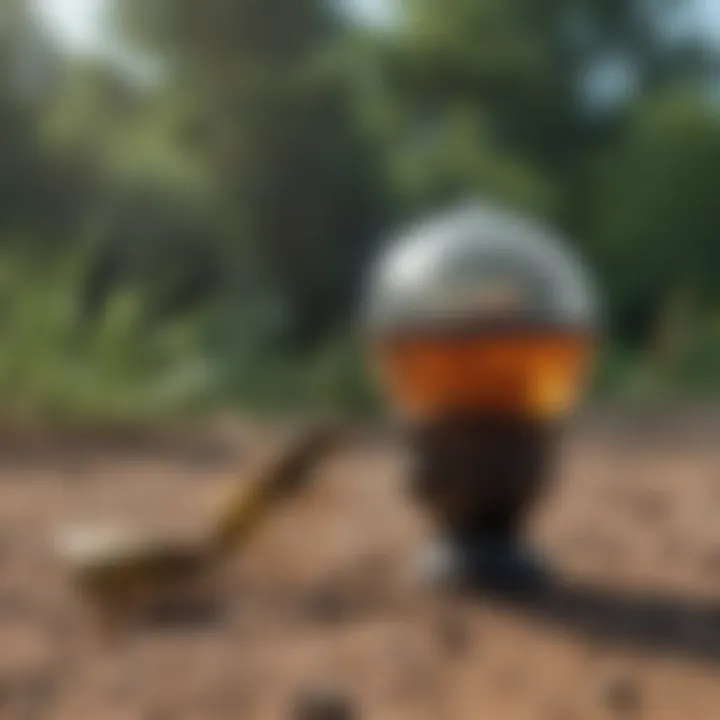
A common DIY trap involves using a plastic bottle. Simply cut the top off, invert it, and place it back into the base. Add some sweetened liquid or protein bait and voilà! You’ve got a makeshift trap that’ll entice those winged nuisances.
Moreover, many homeowners have found that everyday items can do the trick. For instance, you could use a half-full soda can, filling it with sugar-water and a dash of dish soap to combat those tricky wasps. This approach is eco-friendlier and satisfies the need to protect the environment while addressing the problem at hand.
Commercial Products
Advantages of Commercial Products
In a world where time is of the essence, commercial wasp traps step in as a convenient solution. These products are widely available at retail stores and online. The prime advantage is the expertise that goes into their design. Commercial traps are often equipped with features that enhance their effectiveness, like specialized attractants and unique construction methods that lure wasps in, preventing their escape.
Many commercial options are built using materials that can withstand the elements, ensuring longevity. Unlike DIY traps, which can be hit and miss, these products undergo rigorous testing. This reliability is a big reason why homeowners lean towards them.
Another attractive feature is precision. With commercial traps, you often see specific designs aimed at particular species of wasps. This targeted approach ensures higher catch rates, offering a sense of security during outdoor activities.
Limitations of DIY Methods
While DIY traps have their sunny side, they can also present some hurdles. One notable limitation is effectiveness. Although a homemade trap might catch a fair number of wasps, it may not be sufficient for larger infestations. Many house owners find themselves battling the pests continuously, leading to the realization that perhaps a commercial product would've been a stronger contender in the war against wasps.
Furthermore, the construction of DIY traps can sometimes lack sturdiness. A sudden storm or even a strong breeze can send your hard work tumbling, defeating the purpose of your efforts. This inconsistency leaves room for frustration, especially in high-infestation periods when the stakes are high.
In summary, while lots of people might find DIY traps enjoyable, the limitations can't be ignored, especially when confronted with substantial wasp populations. Finding a balance between cost and effectiveness is crucial—one that can dictate whether you choose homemade methods or professional products.
Top Wasp Trap Features to Consider
Choosing the right wasp trap goes beyond just picking a design that looks fancy. Instead, understanding the features that can actually make a difference is crucial. Such features can vary widely among models, and recognizing them helps in making a judicious decision, especially for housewives and homeowners needing effective solutions. Here, we break down some of the most pertinent aspects to consider when selecting a wasp trap.
Material Durability
A trap is only as effective as its durability. The materials used in construction dictate how well it withstands outdoor elements. Most traps are made from plastics, but not all plastics are created equal. High-density polyethylene, for instance, is robust and resistant to fading and cracking. However, traps made from flimsy, lightweight materials might buckle under rough weather, leading to early failure.
Durable traps can last multiple seasons, providing reliable wasp control year after year.
Additionally, consider how easy it is to clean these materials. A grime-covered trap won't be effective. Models with smooth surfaces or those that disassemble quickly tend to fare better in the long run, as they allow for thorough cleaning. Some homeowners even find joy in reusing traps by simply replacing the bait regularly.
Ease of Use
When you’ve got a busy household, simplicity in operation becomes invaluable. Wasp traps come in various forms—some complicated, others straightforward. A user-friendly design allows almost anyone to set up the trap in a matter of minutes without needing to delve into intricate instructions. Look for traps with features like easy-fill openings or snap-lock designs that don’t require special tools.
Furthermore, think about the bait. Some traps come pre-baited, while others necessitate concocting a bait mix. A little preparation can go a long way; however, if you can avoid the hassle of mixing and waiting, it’ll make life easier. In short, traps that prioritize user experience can greatly decrease frustration and enhance efficiency.
Effectiveness Rating


Effectiveness isn't merely a word thrown around without meaning. It can vary substantially between models, and reading reviews helps gauge how well a specific trap works in real-world situations. Collecting data from both field tests and consumer feedback can shed light on how effective a trap is at catching wasps. Ratings may also differ based on the traps’ designs or their lure functionality.
Looking for traps that come with a satisfaction guarantee can also give you peace of mind. Knowing you can return a trap that simply doesn’t perform is a game-changer. Additionally, some homeowners might benefit from paying attention to specific reviews that align their experience dealing with wasps, type of bait used, and environmental conditions.
In summary, the right wasp trap should combine durability, ease of use, and a solid effectiveness rating. Homeowners looking for reliable pest control solutions find these criteria critical in ensuring they select traps that not only meet their needs but also provide a long-term solution to wasp invasions.
Comparative Analysis of the Best Wasps Traps of
When it comes to dealing with wasp infestations, understanding which traps work effectively is crucial. A comparative analysis of the top traps allows homeowners to weigh their options, ensuring informed decisions in selecting the best product for their specific needs.
This section focusses on various factors such as performance, user feedback, durability, and affordability. Each of these elements plays a significant role in determining why one trap might stand out over others.
Brand A: Overview and Performance
Field Testing Results
Field tests conducted on Brand A's wasp trap reveal an impressive rate of catch efficiency. This trap uses an innovative design that mimics natural food sources, making it more attractive for wasps. In real-world scenarios, it has shown an average catch rate of over 80% during peak wasp activity season.
A prominent characteristic of these results is the trap's weather resistance, which maintains its effectiveness even during heavy rain or wind. Such resilience can be advantageous for users living in fluctuating weather conditions. However, some users reported that the trap's bait needs to be refreshed every few days, which can be a minor inconvenience.
Consumer Reviews
Consumer feedback for Brand A highlights its simplicity and effectiveness. Many reviewers have noted that it is easy to set up and clean, which is an appealing feature for busy households. Positive reviews often mention how proud they felt watching that trap fill up with wasps, emphasizing the satisfaction of effectively handling the problem themselves.
But, it’s worth noting that a few users expressed concerns about the foul odor that may emanate from the trap, especially in warmer months. This drawback shouldn't be disregarded, as odor issues could deter some potential buyers from using the trap near their patios or gardens.
Brand B: Overview and Performance
Field Testing Results
Brand B presents a compelling alternative with a unique honey-scented bait. During field testing, it showed a significantly high catch rate comparable to Brand A's offering. Many users appreciate the enticing aroma which appears to attract more wasps.
A standout characteristic here is the trap’s design, which is engineered to minimize insect escape once inside. This feature is appealing for those looking for a definitive solution to their wasp woes. Despite this, some reports indicated that the trap might not perform well as the season progresses, especially if it’s placed in shaded areas.
Consumer Reviews
Looking through consumer reviews, users often commend the aesthetically pleasing design of Brand B’s traps. Many highlighted its effectiveness but advised cautious placement to ensure the continuous capture of wasps. Some found this trap less effective later in the season when wasp activity is at its peak.
The feedback aligning with usability indicates that while it looks good, maintaining optimal placement throughout the wasp season requires some diligence.
Brand C: Overview and Performance
Field Testing Results
Field tests for Brand C reveal a decent overall performance; however, its catch rate tends to lag behind those of Brands A and B. Critics argue that while it uses a biodegradable material for waste management, which is commendable, it doesn't seem to entice wasps as effectively as anticipated.
The key factor here is the built-in automatic bait dispenser that refills itself, which can be both helpful and problematic. Some users have reported issues with this feature malfunctioning, leading to the trap’s ineffectiveness over time due to lack of bait.
Consumer Reviews
Consumer reviews for Brand C reflect mixed reception. While some appreciate the environmentally-friendly aspect, others have expressed dissatisfaction with its capacity and overall efficiency. A common perspective is that while it has the potential, it requires fine-tuning to perform well consistently.
Overall, consumers have indicated that while it's a good option for the environmentally-conscious, they felt disappointed by its functionality. Often, they mention it may not be the first choice for a serious infestation issue.
"Choosing the right wasp trap involves not just understanding their features, but assessing their effectiveness in real-world scenarios."
This comparative analysis sheds light on the merits and shortcomings of each brand, enabling a clearer picture for consumers regarding their choices. By aligning user feedback and concrete testing results, each trap's strengths and weaknesses come to the fore, guiding homeowners through their options.
Wasp Trap Effectiveness Ratings
Understanding how effective a wasp trap is should be as fundamental as a cook knowing the temperature of their oven. The stakes are high; ineffective traps can lead to not just an increased frustration level but possible escalation of wasp activity around residential spaces. In this section, we’ll sift through critical elements that underline how effectiveness ratings help homeowners make informed decisions when choosing a trap. This analysis encompasses statistical data, things to consider while rating effectiveness, and expert insights that provide a clearer picture.
Statistical Data Analysis
Anecdotal evidence is all well and good, but real numbers put everything into perspective. Statistical analysis of wasp traps often encapsulates how many wasps were captured over a defined period. These figures can vary significantly based on trap design and bait type.
For example:
- Traps designed with sweet baits often show a higher capture rate, especially during late summer when wasps tend to forage for sugary substances.
- Larval traps, might attract fewer adult wasps but can be powerful in reducing the population over time by targeting nests.
Research studies, such as those reported on Wikipedia, reveal that the most effective traps can catch upwards of 90% of wasps in a controlled environment during peak activity periods. Knowing these numbers can help homeowners choose a trap that fits their specific situation, like whether they are contending with a backyard barbecue or an interior space.
Further, it's crucial to consider what data is relevant. Capture rates can tell the story, but so can the longevity of the trap and how often it needs to be replaced. Traps that require less frequent emptying and maintenance often emerge as the favorites among homeowners.
Expert Opinions
Tapping into the minds of experts can provide valuable perspectives that numbers alone might miss. Pest control specialists often recommend traps not just based on quantitative data but their qualitative effectiveness. Here are some insights:
"The design of the trap matters as much as the bait. A well-ventilated trap can draw in more wasps over time. Factors like air circulation can drastically affect results." – Dr. Timothy S., Pest Control Specialist.
Some experts point out the influence of the environment surrounding the trap. Wasps may be deterred from certain areas if there are competing food sources available. Consequently, those designing traps must possess an understanding of both attractants and locality.
Furthermore, seasonality plays a pivotal role in expert advice. Some traps may be rated highly during one season but offer poor performance in others. This information helps families who might want to invest in a trap for a longer-term solution rather than a quick fix. According to entomologists, the efficacy of a trap largely hinges upon its adaptability to changing wasp behaviors throughout the year.
In essence, marrying seasoned statistical analysis with expert viewpoints forms a well-rounded approach, helping householders select the trap that best meets their needs. Understanding the detailed workings of wasp traps can avoid yielding to hasty or uninformed decisions that could lead to more irritation in the long run.
Placement Strategies for Maximum Efficacy
When dealing with wasp infestations, having the right trap is just part of the equation. The placement strategies deeply influence the effectiveness of any wasp trap, determining whether it serves its purpose or merely collects dust. Choosing where to set up these traps can distinguish between a peaceful outdoor gathering and an insect-laden nightmare.
Optimal placement isn’t just about sticking a trap wherever there’s a problem; it requires a careful analysis of the surroundings. Certain areas, like near flowering plants or garbage bins, tend to attract wasps like honey draws bees. By strategically placing traps in these hotspots, you're not just waiting for them to wander into your trap; you’re actively inviting them in. This proactive approach helps in reducing their numbers significantly and creates safer environments for people and pets.
Optimal Locations
Identifying the optimal locations entails both tactical thinking and an understanding of wasp behavior. Here’s a look at where to set your traps:
- Near Nesting Areas: If you can locate the nests, positioning traps within a 10 to 20-foot radius can boost your chances. Getting ahead of the game before they become overly aggressive is crucial.
- By Food Sources: Wasps are drawn to food, especially sweet and protein-rich options. Setting traps around picnics, barbecues, or fruit trees can lure them in and away from human activity.
- Close to Water Sources: Like anyone else, wasps need hydration. Areas near bird baths, puddles, or standing water can be prime targets for trap positioning.
- Shady Spots: For traps meant to be used over time, placing them in shaded areas can prolong their efficacy. Direct sunlight can degrade some trap materials quicker than a fast food burger disappears!
"Proactive placement of traps can prevent many stings, turning potential threats into mere inconvenience."
Adapting your trap's placement based on changing conditions, such as weather or seasonal shifts, ensures they remain effective year-round. When the leaves turn in autumn, for instance, wasps may wander closer to homes as they search for sweet sustenance.
Environmental Considerations
The environment plays a critical role in how effective your traps will be. The surroundings can either enhance or hinder your control efforts. Here are a few environmental factors to keep in your consideration:
- Elevation: Traps hung or placed at the right height can be more appealing to wasps. Many types of wasps tend to fly at varying heights, so consider this when hanging traps.
- Lot Size and Landscaping: Larger properties may require multiple traps spread out in various hotspots. On the other hand, smaller yards might benefit from focused placement around specific areas where wasps are frequently sighted.
- Seasonal Changes: During the early spring, wasps are actively foraging. Your traps may need to be positioned closer to shelters, while in late summer, they’re more likely to be after sugar sources. Adjust your strategy accordingly to reflect these changes.
Safety Measures When Using Wasp Traps
In the quest to manage pesky wasp populations, understanding and implementing safety measures is paramount. The potential hazards associated with wasp traps—whether they use chemicals, bait or even traps relying on physical mechanisms—warrant careful consideration, especially for homeowners who might not be familiar with these specific dangers. With major exposure to injuries from wasp traps, informed safety practices guide you in making the most of your pest control efforts while minimizing risks.
Understanding Chemical Risks
When it comes to wasp traps, many commercial options include chemical attractants or pesticides that can pose certain risks not just to wasps but also to humans and pets. It’s essential to read labels and instructions thoroughly to understand what you're dealing with.

- Toxicity Levels: Always check if the substances used are classified as poisonous. Some chemical attractants have components that might be harmful if ingested or inhaled.
- Environmental Impact: Many chemicals can seep into the soil or runoff into local waterways, potentially harming beneficial insects or aquatic life.
- Accidental Exposure: Consider areas where children play or pets roam. Placing traps in these locations increases the risk of accidental exposure and unintended harm.
Taking note of these factors can aid in the safe deployment of traps while ensuring that you are still effectively drawing in these unwanted guests.
Protective Gear and Precautions
Safety doesn't come without preparation. Before engaging with wasp traps, prepare yourself to mitigate risks associated with them.
- Wear Gloves and Long Sleeves: This simple measure keeps stings at bay. They offer a barrier against not just wasps but any chemicals present in traps.
- Safety Glasses: Protect your eyes, which can be vulnerable and sensitive. Going into any situation surrounded by wasps demands this extra caution.
- Mask for Irritating Chemicals: In instances where you're dealing with traps that have strong scents or chemical fumes, wearing a mask can prevent inhalation of these irritants.
Moving forward, always use traps as instructed and take notice of your surroundings. A calm approach is often the best way to avoid attracting too much attention from any angry wasp guards unhappy about their captured companions.
"A stitch in time saves nine." This old saying holds true here; taking precautions beforehand can save you a heap of trouble down the line.
Environmental Impact of Wasp Traps
When discussing wasp traps, one must recognize the pivotal role that their environmental impact plays in integrated pest management. Not only do these devices serve to eliminate unwanted stinging pests, but they also intersect with broader ecological principles, compelling us to examine the methods we employ in our fight against these insects. The manner in which we select and use these traps can have lasting effects on local ecosystems.
Chemical vs. Natural Traps
The debate surrounding chemical and natural traps is rich and layered. Chemical traps typically use synthetic attractants and pesticides to lure and kill wasps. They can be effective but often come at a cost. When these chemicals leach into the surrounding soil or water, they risk contaminating the habitat, potentially harming nontarget species, including beneficial insects like bees. Such unintended consequences can unbalance local ecosystems, a vital consideration for homeowners.
On the flip side, natural traps utilize organic substances to attract wasps, presenting an eco-friendlier alternative. Ingredients like sugary syrups, fruit juices, or even specific essential oils are used to lure these pests into traps without the harsh side effects. Although natural traps might require more upkeep—replenishing bait and ensuring cleanliness—they significantly minimizing the risk of wildlife poisoning, thus preserving the delicate balance of nature.
"Choosing between chemical and natural traps isn't just about effectiveness—it's about taking responsibility for the environment we inhabit."
Here are key advantages and disadvantages of each approach:
- Chemical Traps
- Natural Traps
- Advantages:
- Disadvantages:
- Quick action against wasps
- Broad-spectrum effectiveness
- Risk of harming non-target species
- Potential environmental toxins
- Advantages:
- Disadvantages:
- Eco-friendly and safer for other insects
- Less chemical exposure for humans and pets
- May require more frequent monitoring
- Possibly less immediate effectiveness
Ultimately, homeowners must weigh these factors carefully when selecting a trap to tackle their wasp problems.
Long-term Ecological Effects
Understanding the long-term ecological effects of using these traps sheds light on our decisions. Persistent use of chemical traps can lead to residual toxicity, which accumulates in the environment over time. For example, excessive pesticide use could diminish populations of beneficial insects, leading to a ripple effect that disrupts pollination and even the health of plants in surrounding areas. This might not only affect the immediate environment but could extend to agricultural outputs as well, influencing food security.
Conversely, employing natural traps can nurture local ecosystems. By promoting a more biodiverse habitat—one that supports a variety of insects and wildlife—homeowners not just control the wasp population effectively but also serve as stewards of nature. Such mindful practices can set a precedent and encourage neighboring communities to adopt similar approaches, amplifying the positive impact on the environment.
Maintenance and Longevity of Wasp Traps
Maintaining wasp traps is crucial not just for their longevity but for their effectiveness in controlling pest populations. You wouldn’t want to invest your hard-earned money into a trap that eventually falls apart or loses its efficiency after a few uses. Keeping these devices in good condition ensures they perform optimally, safeguarding your home environment against those pesky stinging insects.
One key aspect to consider is the materials used in your traps. High-quality plastics or durable metals can withstand a range of weather conditions. Regular inspections can help spot weaknesses before they turn into major issues. After all, a well-maintained trap can save you both time and money.
Further, understanding your traps’ functional life can aid in making informed decisions about when to replace or repair them. As the old saying goes, "an ounce of prevention is worth a pound of cure".
Routine Maintenance Practices
Routine maintenance is often overlooked but is incredibly straightforward. Here are a few practices to implement:
- Cleaning: Regularly remove trapped insects and debris. This can be as simple as rinsing with water but ensure you do not use any harsh chemicals that might affect the trap’s material.
- Inspection: Look for cracks, leaks, or corrosion. These signs can indicate that the trap needs to be replaced or repaired. Check the bait compartment if it’s still secure.
- Relocation: Sometimes, relocating your trap can enhance its efficacy. Right after a heavy rain or fall season might be the time to rehang them in different spots.
Incorporating these practices every couple of weeks will extend the lifespan of your traps and boost their performance.
Signs of Wear and Replacement Needs
Even the most robust traps have a lifespan, and knowing when to toss one out is essential. Here’s what to watch for:
- Physical Damage: If you notice any major cracks or missing components, the trap probably won’t work effectively anymore. Don’t hesitate to replace it.
- Wear in Anchors: The mechanisms used to secure traps can wear out or break over time. If these components fail, the trap's functionality is compromised.
- Poor Performance: If your trap has stopped catching wasps altogether despite regular checks, it might be time to consider its efficiency and possibly look for a new one.
Keeping a keen eye on these factors can help avoid sudden wasp infestations, allowing for peace of mind and a livable environment.
By ensuring regular maintenance and keeping an eye on potential signs of wear-and-tear, you are putting your best foot forward in the ongoing battle against wasps. So, don’t let a poorly maintained wasp trap become a source of frustration—use it smartly, and it will serve you well.
Alternatives to Trapping
When dealing with wasp issues, trapping is not the only game in town. While traps can be effective, exploring alternatives allows homeowners to manage these pesky insects in diverse ways. Sharing the spotlight with traditional traps, alternatives like repellents, deterrents, and professional extermination services can serve specific needs, ideal for those who want to adopt a more holistic or immediate approach to their wasp problem. Understanding these methods is vital when crafting your strategy for pest management.
Repellents and Deterrents
Repellents and deterrents can create an invisible shield, making your surroundings less inviting for wasps. They work by masking the scents that attract these insects or by emitting odors that they find unpleasant. Here are some popular solutions:
- Essential Oils: Scents like peppermint, eucalyptus, and lavender are well-known for repelling wasps. A simple mix of water and a few drops of these oils in a spray bottle can be an excellent, natural deterrent.
- Commercial Repellents: Products designed specifically for insect deterrence can also be considered. Read labels carefully, as some may contain chemicals that could pose risks to pets or children.
- Homemade Solutions: Vinegar mixed with water or dish soap can disrupt wasp activity. Spraying it around outdoor areas works wonders to keep them at bay.
Consider placing these repellents strategically around your home, especially near areas prone to wasp activity, like garbage cans or picnic spots.
Professional Extermination Services
Sometimes the do-it-yourself methods won’t cut it, and that's when you might want to consider professional extermination services. These experts offer comprehensive strategies that go beyond simple trapping. They assess the problem, identify nests, and implement targeted solutions.
Some key benefits of hiring professionals include:
- Expert Knowledge: Trained professionals have a deep understanding of wasp behavior and lifecycle, allowing them to tackle the problem more effectively.
- Safety: Dealing with nests can pose risks. Extermination services use safety equipment and techniques that mitigate chances of stings.
- Long-term Solutions: Instead of just removing the current problem, exterminators can provide advice on preventing future infestations. This could involve sealing entry points or eliminating food sources that attract wasps in the first place.
Although professional services can involve a higher upfront cost, the peace of mind and thoroughness they provide may make the investment worthwhile.
"It’s not just about removing wasps, but creating a wasp-free environment for the future."
Future Trends in Wasp Control Technology
As we move forward, the realm of wasp control technology is set to transform significantly. This topic is critical in the ongoing effort to manage pest issues effectively while bringing new solutions to the table. For many homeowners and housewives hoping to keep their living spaces safe without compromising on comfort, understanding these trends could turn out to be invaluable.
Innovative Design Concepts
The future of wasp traps seems to be leaning heavily on innovation. Designs are becoming increasingly focused on not just catching wasps but also on doing so in a more humane manner. For instance, traps that employ light and color theory are being developed. These traps use specific colors that attract wasps more effectively, ensuring a higher catch rate.
Additionally, some newer traps integrate designs that mimic natural environments, persuading wasps to enter unsuspecting. This organic approach aims to reduce the disturbance in their ecosystem while effectively managing populations.
Moreover, advancements in materials are noteworthy. Many traps now use recycled or biodegradable components, which are not just better for the environment but also appeal to eco-conscious buyers.
"By using green materials, designs become not just effective but also sustainable, catering to the needs of homeowners concerned about their ecological impact."
Smart Technology Integration
Smart technology is revolutionizing many aspects of home maintenance, and wasp control is no exception. With sensors and wireless connectivity, smart wasp traps are making their way into the market. These traps can detect the number of wasps and send notifications to homeowners via smartphone applications. This allows for timely responses and helps avoid unnecessary panic.
Furthermore, some advanced traps come equipped with features that adapt to different wasp behavior patterns. They can trigger automatic closures or alerts if an increasing number of wasps are detected, making them a proactive solution against infestations.
Homeowners can also look forward to systems that analyze environmental conditions and advise on optimal placement for traps, effectively increasing their efficacy.
In essence, as traps evolve to incorporate both innovative designs and smart technology, they offer not merely a means to catch wasps but an all-encompassing pest management solution. This evolution not only enhances effectiveness but also aligns with modern technological trends that promote convenience and environmental sustainability.