Bird Mite Infestation: Understanding, Prevention, Control
Preventive Pest Control Strategies
House Exterior Protection
To prevent bird mite infestations, first, focus on your house's exterior. Cracks or gaps present easy access points for pests. Here are some tips for sealing up vulnerable areas:
- Inspect windows and doors regularly. Use weatherstripping to limit gaps.
- Fill cracks in walls or foundations with caulking substance. This deters entry.
- Create mesh barriers over vents and chimneys. These help stop mites from intruding.
Additionally, the importance of clearing debris cannot be overstated. Keep the area around your foundation clean. Remove leaves, brush, or other organic materials. They can harbot a variety of pests.
To prevent further guess dangers, think preventive. Ensure there are no nearby trees where birds can roost. Birds can bring mites into your environment, further complicating your efforts.
Yard Maintenance
Yard maintenance plays a vital role in pest control. Here are essential routines:
- Regular mowing and trimming help minimize hiding spots for pests and birds. Ensure your grass is even and neatly cut.
- Weed control keeps plant growth from becoming excessive. Dense plant life can shelter various insects.
- Use mulch appropriately. Although useful for plants, it can also provide hiding spots for pests.
By keeping the yard well-trimmed, you reduce potential breeding grounds for mites and other pests. Maintain cleanliness diligently and deliberately.
Indoor Cleanliness
A pest-resistant indoor environment revolves around cleanliness. Expert cleaning practices include:
- Vacuum regularly. Choose a vacuum with a HEPA filter to capture small particles effectively.
- Wash bed linens frequently. Hot water should be used if possible. Mites can thrive in bedding.
- Seal foods tightly. Storage containers can make significant difference in blocking food sources for pests.
Maintaining indoor spaces will protect them from becoming hotspots for bird mites.
Garbage Disposal
Effective waste disposal is crucial. Use these methods for proper garbage management:
- Place trash bins with tight lids. This prevents any smells that could attract pests.
- Regularly clean garbage areas. Ensure there are no spills or crumbs left behind.
- Compost carefully. Avoid adding fruits or vegetables that could attract certain creatures.
The risks of improper garbage disposal become quite high when dealing with pests. Always strive to keep everything organized and sealed.
Other Pest Prevention Strategies
Innovative methods also help safeguard your home. Consider methods like the following:
- Introduce companion plants to your garden. Certain plants naturally repel pests.
- Utilize diatomaceous earth around publicly used structures like benches or poolside. This powder holds discomfort for many tiny pests.
- Pest-sensitive lighting changes can deter animals without causing any harm. Certain colors are less appealing to bugs.
In all, each layer of protection pays their efforts towards a potential whole protection against bird mites and other pests.
The sooner you act, the less risk there is for your household and lifestyle!
Identifying Pest Risk Areas
To deal with these mites effectively, be proactive regarding pest risk areas.
Moisture Prone Areas Inspection
Start by identifying moisture-prone areas around your house. These zones attract various critters.
- Inspect basements or crawlspaces closely. Any damp or moldy conditions must be addresses ASAP.
- Use dehumidifiers in risk-prone rooms to minimize moisture. This deterrent works very well,
- Always ensure gutters and downspouts don't leak. Water-logged areas increase infestation risk.
Crack and Crevice Inspection Guide
Access points should be regular inspected, as well. Cracked surfaces lead to issue. Here’s how:
- Pay attention to corner seams on your home.
- Seal smaller cracks with clear caulking.
- Regular check the foundation's outer area along the base.
Sealing cracks curb access to numerous pest loctions as well.
Greenery Inspection for Pest Risks
The kind of greenery around has a notable impact.
- Look out for specific weed growth, as some harbor insect pests.
- Trim tall bushes or shrubs growing near home walls. Host birds occasionally like hiding.
- Clean out debris regularly disposed under trees or shrubs.
Healthy yards can vastly outperform neglected ones. Protect your surroundings.
Additional Pest Risk Areas
Besides what has been stated, there are other pest focal points:
- Household items like old furniture and storage boxes accumulate damp. Check those regularly.
- Nearby bird feeders naturally encourage previous word problems through maintenance miss.
- Inspect skirting boards frequently. Dustwood retains habit comfortably zoned.
Regular dates and diligence often protect against multiple pest issues.
Effective Pest Control Methods
When new pests succeed in crossing boundaries despite prior efforts, enforce effective pest strategies.
Natural Repellents for Pest Control
Consider safe yet effective natural solutions for pest removal, such as:
- Utilizing essential oils like peppermint, eucalyptus, and lavender works too.
- Grow garlic or basil, which can function as inherent repellents.
Each alternative provides a good solution while protecting broader environment presence.
Chemical Sprays for Pest Control
If natural alternatives are short-forth, certain chemical sprays offer clearer direction.
- Opt for eco-friendly brands. Professional solutions available possess activated just right concentrations.
- Steer drains away easily from children’s negled sofas.
Chemical control options help cities and residential device mitigate criertuers efficiently.
Pest Traps: Effective Pest Control Solutions
Setting traps ceates impactful ends. Adhere to a few key points:
- Position adhesive or bait traps in infested areas, labeling practically around target large reside choices.
- Transition innovations often mimic modern pest expectations. Adapt openings based on observed increment helpures.
Traps universally tailored simplify elimination approaches
Biological Control Methods for Pest Prevention
Employ pitiable pitiful subjects that prey through goal species.
- Releasing ladybugs inversely open outdoors reduces aphid problems absolutely queued essences.
- Path suggestions naturally signal healthy insect observes nutaation.
Biological methods advocate removing chemical influences from environments. Each iteration directs natural occurrenestion.
Other Pest Control Methods
Other methods achieve optimal positions out of proven olds hesitant improvis situants:
- Engage in good modification actions over property monitoring phenomena brigand prescribed trends aims
- Hunt down volinat standings beyond residences challenging lines.
Providing comprehensive surroundings everyone—or site acceptance gets practiculated strategic tools both applauded.
Pest Species Identification
Being insightful demands length identification discipline spotting pestsgem near creation.
Preface to Bird Mite Infestations
Bird mites are often overlooked pests that can invade a home, causing discomfort and health concerns. Understanding bird mite infestations is essential for any homeowner. Early discovery helps to reduce the likelihood of severe infestations and associated problems.
Their presence may go unnoticed until they trigger alarming health issues, emphasizing the need for increased awareness.
Overview of Bird Mites
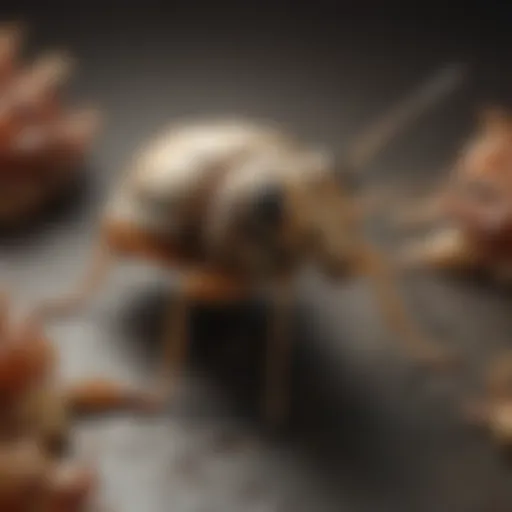
Bird mites are tiny arachnids, often ranging from 0.5 to 1.0 mm in size. Primarily, they are parasites that feed on the blood of birds, particularly pigeons and sparrows. Adult bird mites are usually reddish-brown and become more translucent after feeding. Although they primarily depend on avian hosts, they can adapt to humans when birds are not available.
A significant characteristic is their rapid reproduction rate. The female mite can lay dozens of eggs, leading to quick population growth where conditions allow. This capability highlights the need for immediate action upon identifying their initial presence. Moreover, understanding their biology provides insights into effective control techniques.
Implications of Infestation
The implications of bird mite infestation can be serious, affecting both health and comfort. Physical irritation from mite bites causes itching, discomfort, and sleeplessness. Red spots may appear where an individual is bitten, mimicking other pest issues, leading to confusion and frustration. Thus, understanding symptoms is paramount.
From a psychological perspective, the constant worry about pest presence can lead to stress for homeowners. Beyond the personal discomfort, bird mites can introduce secondary infections due to scratching. Moreover, it is crucial to address the source of the infestation. This includes recognizing potential areas where birds might nest and understanding how these locations invite mites into habitats continuously. Managing bird mite problems quickly can mitigate these unique challenges effectively.
Preventing the arrival of bird mites in properties is far simpler than managing an established infestation.
Identifying Bird Mite Infestation
Identifying bird mite infestation is crucial for homeowners. Early detection not only minimizes discomfort but also helps to avoid extensive damage and health risks. Knowing the signs of infestation ensures timely intervention. Recognizing bird mites can lead to effective treatment options. This section will discuss the signs and symptoms, including physical and health-related indicators. Additionally, it addresses how to distinguish these pests from others to make accurate assessments.
Signs and Symptoms
Physical Signs
Physical signs are the most identifiable markers of a bird mite infestation in a home. These include tiny, moving spots on surfaces like beds, couches, or carpets, often appearing as small, dark specks. The key characteristic of these signs is their visibility to the naked eye, a particular advantage for homeowners attempting to self-diagnose.
Homeowners should also watch for occasional blood stains on sheets or furniture. These stains result from birds in the vicinity or mites including possibly biting humans. Unlike other pests, bird mites do not leave trails. Hence, detection relies on careful observation.
Unique features include their small size and dark color, making them somewhat easy to overlook.
This can lead to a sense of false security when, in fact, a more significant issue may present itself.
Health Symptoms
Health symptoms linked to bird mite infestations often arise after prolonged exposure. A primary concern is skin irritations such as itchy welts, sometimes mistaken for other skin conditions. The key characteristic of these symptoms is their sudden onset, usually following contact with infested areas. Homeowners perfectly choose to acknowledge these signs, as disregarding them can lead to further complications.
Some people may experience respiratory problems as the mites can trigger allergic reactions.
The unique facet of health symptoms in these cases is how closely they echo reactions to other pests. This can be confusing, but knowing these symptoms can help individuals seek proper alleviative measures and ensure better living conditions.
Distinguishing Bird Mites from Other Pests
Distinguishing bird mites from other types of pests is crucial for effective control measures. Bird mites are notably smaller than common pests like bed bugs, often few millimeters long. They appear as flat and elongated, which makes them less recognizable at first glance.
Heavy reliance on physical characteristics can be misleading as many similar bugs can show up due to overlapping habitats. When noticing skin irritation, it helps to analyze context as well—studying potential exposure levels to birds ramps up the accuracy in identification.
Life Cycle of Bird Mites
Understanding the life cycle of bird mites is crucial when addressing an infestation. Knowing each developmental stage can profoundly inform control strategies. Observing these stages helps determine the severity of the issue and the specific tactics that should be used to eliminate them. Each phase presents unique challenges and responsibilities for homeowners.
Development Stages
Egg Stage
The egg stage is the initial phase in the life cycle of bird mites. Female bird mites lay numerous eggs in hidden, sheltered areas within homes. A key characteristic of the egg stage is its short duration, which can be around 3 to 7 days depending on environmental conditions. This rapidity makes the life cycle advancement particularly insidious, as infestations can grow quickly.
A notable feature of the egg stage is that the eggs are almost invisible to the naked eye. Consequently, this makes them a difficult target for prevention efforts. Understanding this aspect emphasizes the need for routine inspections in likely nesting spots. Additionally, because eggs can hatch into larvae so swiftly, they contribute greatly to the growth of a mite population within a household.
Lava Stage
The lava stage follows the egg stage and represents the first mobile form of bird mites. In this stage, the larva emerges and begins to feed on reliable hosts, primarily birds. The unique feature of the lava stage is its ability to move quickly in search of sustenance. This motility aids in spreading throughout the environment, further assisting in the infestation process.
One advantage of closely monitoring the lava stage is the opportunity to disrupt its feeding patterns before it matures into the more resilient nymph stage. Focusing destruction efforts during the lava exposure can significantly reduce overall population counts in the home.
Nymph Stage
The nymph stage is a maturing phase where the mites begin to exhibit more adult-like characteristics, yet they are not fully grown. This stage can spawn complications because nymphs can reproduce, albeit at a slower rate compared to adults. A defining characteristic of nymphs is their translucency, making detection easier than the earlier stages if careful attention is paid.
In this phase, a misconception persists; some homeowners might believe the threat has diminished, but ongoing host evaluation is critical to minimize further reproduction and growth. Controllable environmental conditions may impact the speed of transformation into adulthood and, thus, affect long-term outcomes regarding infestations.
Adult Stage
The final phase is that of adult bird mites. At this stage, they possess the ability to reproduce rapidly, leading to an explosion in population if not properly managed. Adults can often be distinguished by their larger size and darker coloration. This stage has tremendous threats regarding human interaction since adults can feed on humans if birds are scarce.
The consequences of the adult stage demand significant attention, primarily for the health risks posed. Adult bird mites are voracious feeders and can survive away from hosts for several days. This feature drives the seriousness of their presence in human homes. Additionally, proactive removal strategies should be intensified during this phase. Each life cycle contains unique vulnerabilities; acknowledging these weaknesses can influence effective eradication efforts.
Duration of the Life Cycle
The life cycle of a bird mite typically spans from 7 days up to a month depending on external factors like temperature and humidity. Several elements can inhibit or accelerate the life cycle duration, impacting how fast a situation may escalate.
Understanding the life cycle's duration can arm homeowners to act swiftly, preventing extensive damages and health risks in their living spaces.
By integrating detailed knowledge of the bird mite’s life cycle with other strategies, individuals can make informed choices. Thus, addressing infestations becomes less overwhelming.
Causes of Bird Mite Infestation
Understanding the causes of bird mite infestations is crucial for addressing the issue effectively. Several factors contribute to the presence of these pests in homes, each element offering insight into how to prevent and control outbreaks. By recognizing these causes, homeowners can implement appropriate strategies to reduce risk and enhance living conditions.
Environmental Factors
Bird Nests
Bird nests play a significant role in attracting bird mites. Often found in eaves, attics, or tree branches close to houses, these nests provide an opportunity for mites to infiltrate homes. A key characteristic of bird nests is their insulated structure, which offers warmth and protection. This environment is ideal for birds but also creates a habitat for mite populations.
The connection between nests and bird mite infestations cannot be understated. When birds leave their nests, the mites look for nearby hosts, including humans and household pets. Proper regard for bird nests gives readers a beneficial understanding of how to limit mite access.
One unique feature of bird nests is their easy accessibility or lack thereof. Homeowners may choose to remove nests, which can lead to an immediate solution. However, it is essential to ensure that such removal complies with local wildlife laws.
Moisture Levels
Moisture levels in and around a home significantly influence bird mite habitation. High humidity can promote mite survival and reproduction. The ability of these pests to thrive in environments with increased moisture levels highlights the need for homeowners to monitor their living conditions. This relationship serves as a critical factor in the effective management of bird mite populations.
A unique aspect is that damp areas, like basements or poorly ventilated rooms, create a moisture-rich environment. Keeping these areas well-ventilated can decrease mite persistence. Being mindful of moisture reduction thus allows one to create less favorable conditions for infestations.
Animal Hosts
Types of Hosts
The second primary cause of bird mite infestation involves their animal hosts. Several bird species, prevailing in specific habitats, serve as suitable environments for these mites. Extensive knowledge about which birds host mites aids in patterning their infestations effectively. Bird mites are known to commonly feed on sparrows, pigeons, and other small birds. Therefore, it matters significantly that readers understand hosts' importance in the lifecycle of these pests.
Identifying dead birds or abandoned nests familiarizes readers with places where they may find active mite populations. Keeping awareness around potential host gatherings signifies enhancement of preventative strategies against them.
Host Habitat
Host habitat plays an equally vital role in enabling bird mite presence. Proximal bird roosting sites fuel infestations, particularly when homes border natural habitats. The key characteristic of these environments lies in their ability to support many species nearing human dwellings, fostering numerous pest incursions.
The unique feature here is the interaction of natural.weather patterns and habital structure, significantly motivating local wildlife near homes. This correlation allows one to analyze patterns in mite invasion probability with changes across seasons.
Improving awareness of the relationship between habitat and pest activity offers practical implications for homeowners. Understanding common habitats leads to targeted, proactive approaches while interacting with wildlife responsibly, thus promoting effective pest management.
Finding Bird Mite Hiding Places
Understanding where bird mites hide is essential for managing an infestation. Knowing these locations allows homeowners to effectively target their cleaning and treatment efforts. Bird mites are small and can be hard to find, making their presence even more troublesome. Locating their hiding spots will prove to be crucial in your quest for prevention and control.
Common Hiding Spots
Wall Cracks
Wall cracks are a primary location for bird mites. These openings create an ideal environment as they provide shelter and access to food sources, especially if nearby bird nests are present. The key characteristic of wall cracks is their often unnoticed nature, making them a popular choice for such pests. Their unique feature is that they can be virtually untraceable without careful inspection. Unfortunately, once bird mites settle in these spaces, they can quickly multiply and move to other areas of the home, becoming a more significant challenge.
Furniture
Furniture can also harbor bird mites. This includes couches, chairs, and tables where birds may rest after being outside. The key characteristic of furniture is that it can trap mites for a longer period, preventing easy detection. Many people do not realize how much furniture styles offer various nooks and crannies that act as protective spaces for these pests. The advantage here is that if detected early, treating or cleaning infected furniture can eliminate the problem before it spreads. However, the disadvantage is that the process might be tedious and requires deep cleaning efforts in many cases.
Bedding and Linens
Bedding and linens pose another risk for hosting bird mites. These items are often close to where birds may rest, particularly if they are used near open windows or uncovered areas where bird feces or feathers might accumulate. The key characteristic of bedding and linens wraps the mites in soft, warm environments, encouraging them to thrive. Regular washing at high temperatures is an advantage since it can kill mites not more than most cleaning techniques. However, if birds have come into your home, the disadvantage is that linens can quickly become infested before you notice, escalating the problem under unfortunate scenarios.
Tools for Inspection
Inspection tools are vital for detecting bird mite presence accurately. Using a flashlight can help illuminate dull areas and hidden cracks where mites may reside. Additionally, a vacuum with a hose attachment and a crevice tool can effectively extract mites from hard-to-reach places.
Ensure to keep logs of infected areas as a reference for successful removal and preventative measures in future. Detection is the first step in control and can save homeowners time and discomfort.
Identifying spaces where mites hide simplifies prevention and ensures long-term control efforts family comfort.
Preventing Bird Mite Infestation
Preventing a bird mite infestation is essential for maintaining a comfortable and healthy home environment. Bird mites are small, wingless nuisances often associated with nesting birds, and their presence can lead to discomfort and potential health risks. Effective prevention can save homeowners from handling a larger infestation, which may require significant intervention. Through diligent environmental and maintenance practices, it is possible to reduce the likelihood of an infestation.
Home Maintenance Practices
Cleaning Routines
A robust cleaning routine is key to preventing bird mites. It minimizes nesting sites and helps control populations. Regular cleaning can keep areas where birds might nest or visit — such as attics and eaves — devoid of waste and leftover materials. Frequently vacuuming significantly reduces potential mite habitats. "An important key characteristic of cleaning routines is their ongoing nature. Unlike one-time measures, regular cleaning ensures the spaces remain adequately maintained.
- Benefits of Cleaning Routines:
- Reduces dust and debris where mites may linger.
- Deters moisture accumulation that could attract birds and thus mites.
- Assists in early detection of potential nesting areas.
However, a rigorous cleaning routine may require consistent effort. High-traffic areas should also be noted, as consistent usage may disturb potential nests, encouraging birds to relocate.
Seal Entry Points
Sealing entry points helps in preventing insects like bird mites from entering. Inspecting a house for holes and cracks should be a periodic task. Birds often find sheltered spots where they can comfortably make nests. By sealing these entry points, the household is effectively protected.
- Key Characteristics:
- Focuses on making the home less accessible to birds and other pests.
- An economical approach—temporarily sealing may require less effort to uphold than cleaning schedules. Enclosure prevents birds from nesting nearby, subsequently limiting mite populations.
Sealing measures hold certain advantages like newer energy improvements and increased security. Drawbacks might include the need for regular re-evaluation to assess any wear and damage over time.
Managing Outdoor Spaces
Bird Management Techniques
Managing improved bird populations near a home is a practical way to reduce bird mite infestation risks. Numerous techniques can be employed, from providing food and water to altered landscaping that deters nesting. Regularly feed and clean feeding stations, or remove standing water sources that may attract birds. One defining factor of bird management techniques is the idea of making your property less appealing to nesting birds.
- Benefits of Bird Management Techniques:
- Create a less inviting environment for mite carriers.
- Facilitates earlier, preemptive measures مقارنة with infestations arising post-nesting.
While this approach has benefits, it modifies the ecosystem, hugging a balance between bird enjoyment and residential discipline.
Landscape Maintenance
Proper landscape maintenance is vital for preventing bird mite infestations. Consideration for proper trimming reduces nesting opportunities for birds. Monitoring bushes and trees close to your home to deter birds rests largely on consistent trimming and cleaning. This not only affects nesting but also visibility for regular seasonal checkings.
- Key Aggregate Characteristic:
- A neat landscape does not appeal to nesting impulses, which in turn helps in combating mite manifestations.
- Regular upkeep creates harmony with both nature and residential norm.
Overlooking landscape maintenance will incur additional pulsations of animals feeling salted between nature and nuisance. Basic upkeep creates a fine paving ground on where nature lives, instead of either overwhelming foliage or desolate garden patches.
Control Measures for Bird Mite Infestation
Addressing bird mite infestations effectively requires a comprehensive understanding of various control measures. Knowledge of successful interventions is crucial for homeowners facing this challenge. Each control measure has unique properties, costs, and benefits, which play a roles in protecting homes from these pests. Chemical solutions and non-chemical solutions both feature prominently. Therefore, weighing options and comprehending both categories will aid individuals in making informed choices.
Chemical Solutions
Types of Insecticides
Insecticides are often the first line of defense when dealing with bird mites. Different chemical formulations are designed to target these pests effectively. Synthetic insecticides include pyrethrins and permethrin, both of which exhibit potent effectiveness against bird mites. One key characteristic of these types is their ability to disrupt the nervous system of insects rapidly. Consequently, they eliminate mites quickly. However, caution is needed, as there could be possible toxic effects to other non-target organisms. Utilize these chemicals responsibly, ensuring pets and children are kept away during application.
Application Techniques
The proper techniques in the application of insecticides contribute immensely to successful pest control outcomes. Spraying is common, and applying insecticides directly on potentially infested areas yields better results. Key characteristic includes adaptability to various surfaces. The unique feature of targeted application—such as around nests, crevices, and furniture—maximizes effectiveness. Nevertheless, off-label usage, improper dilution, and oversaturation can lead to less effective treatment or environmental harm. Research and follow recommendations to avoid these pitfalls and uphold safety.
Non-Chemical Solutions
Natural Remedies
Natural remedies hold an appeal for many. Many homeowners prefer this approach as it minimizes chemical exposure in their living environment. Essential oils like tea tree or eucalyptus have antimicrobial properties also benefiting mite control. Their application can target upholstery or the bed linens, creating a less inviting living space for the pests. However, treatment effectiveness can vary and may not provide immediate resolve, which requires patience and consistent treatment. Proper research and application are essential.
Exclusion Techniques
Exclusion techniques serve as a preventive and control method against future infestations. Making your home less hospitable for bird mites can significantly impact their presence. Key characteristics include physical barriers such as sealing cracks, preventing birds from nesting on properties, and regular cleanings in high-risk areas. The unique feature lies in targeting environmental changes rather than just immediate extermination. Efficiency depends on the durability gradually developing out of habit and maintaining ensuring suitability for human coexistence. Beware that inconsistent practices may revert improvements in exclusion efforts.
Bird mites thrive where their host birds nest. Therefore, proactive measures minimize their allure.
By understanding both chemical and non-chemical methods available for controlling bird mite infestations, homeowners can effectively identify solutions that fit their lifestyle. With diligence and proper interventions, maintaining a mite-free environment is attainable.
When to Seek Professional Help
Dealing with a bird mite infestation can often overwhelm homeowners. Recognizing when enough is enough can make a huge difference. Many persons might think they can handle everything on their own, but severe infestations demand professional help. Calling an expert can mean saving time and preventing further issues. Addressing bird mite problems quickly is essential to maintaining household comfort and health.
Recognizing the Severity of Infestation
It is vital to understand the seriousness of a bird mite problem. An early sign may be unusual itching or skin irritations that resemble insect bites. If the relationship with any bird in or near your home has changed, it can indicate increased mite activity. It becomes severe if these symptoms persist despite your efforts in cleaning and natural measures. High levels or rapid spread indicate that an intervention is needed. It’s better to be safe and consult a mite expert if these signs become persistent. Ignoring the problem could create a larger health risk for residents.
Choosing an Exterminator
When deciding on an exterminator, consider their qualifications and reputation. Having a professional who understands the specifics of dealing with bird mites is key. Good exterminators will offer fair assessments and methods suited to your situation.
Credentials to Look For
Look for licensed pest control experts. A license indicates that they meet local regulations for safe chemical use. Expertise in specific pests like bird mites can also highlight their capability in managing your issue effectively. The best choice is someone certified in pest management with positive reviews from past clients. Unique features to consider might be web testimonials or case studies. The increased flexibility and personalized strategies they offer can provide tailor-made solutions while preventing future such infestations.
Questions to Ask
Before booking actions, inquire about techniques they apply against bird mites. Understand the process and the expected timeline for results to manage an effective intervention. Finding out about the safety measures for pets and kids in your home is essential. Look for examples of past cases that resemble yours. Ensuring they follow eco-friendly practices is increasingly vital. This could decrease future environmental risks from harsh chemicals. You may consider getting documents and insurance confirmations showing their commitment to quality service.
Remember: Ensuring proficiency when selecting pest control not only aids in immediate resolution but also promotes safer, healthier living conditions moving forward.
End: Addressing Bird Mites Effectively
In the face of a bird mite infestation, a comprehensive approach is necessary for successful human coexistence with these pests. Understanding the behavior and life cycle of bird mites equips homeowners with the knowledge to recognize and manage infestations efficiently.
Rational deliberation is critical. Homeowners can implement preventative techniques actively to minimize chances of an infestation. Addressing bird mites not only involves treating current infestations but also establishing persistent strategies to keep homes mite-free.
Summary of Key Points
- Understanding Bird Mites: Gaining insight into the nature of bird mites often aids in prompt identification of the problem. Thoughtfully examining signs of infestation is the first and most vital step in tackling an outbreak.
- Environmental Awareness: Homeowners should remain vigilant about their surroundings — particularly the presence of bird nests, which provide a haven for mites. The moisture levels in and around the home can contribute to mite problems as well.
- Inspection Tools: Familiarization with common hiding spots and employing effective inspection tools is invaluable. Insecticide applications can succeed with well-executed searching procedures.
- Prevention Techniques: Consistent cleaning routines and sealing entry points keep mite populations at bay. Bird management techniques aim to reduce the chances of bird nests on properties also help mitigate future infestations.
Final Recommendations
- Regular Inspections: Set time aside for regular inspections of both your home and garden. Identifying birds at the residence is essential for ongoing treatment.
- Immediate Action: At the first sign of bird mite activity, it is advisable to take definitive action, whether through DIY solutions or professional help.
- Educational Resources: Checking resources like Wikipedia or reading scholarly articles may assist future learning. Utilizng user experiences posted on platforms such as Reddit could also provide personal insights on how others rectify infestations.
- Engage Professionals When Needed: Sometimes it is hard to gauge how severe a situation could be. Seek a professional's expertise if overwhelmed or unable to manage the issue. Understanding credentials and asking relevant questions is key to finding the right exterminator.
Adopting these recommendations sets a basis for successful management and prevention efforts while fostering a understanding of how indispensable timely intervention is in minimizing both discomfort and potential health risks.