Expert Strategies for Carpenter Ant Removal Outdoors
Preventive Pest Control Strategies
Preventive pest control strategies are essential to effectively manage carpenter ant infestations outdoors. The first step in pest control is ensuring your house's exterior is well-protected. Seal cracks around doors and windows to prevent ants from entering. Clearing debris in your yard is crucial as it eliminates potential nesting sites for pests. Implementing measures to keep pests from entering your home, such as installing door sweeps, will further protect your property.
Maintaining your yard is also key in pest prevention. By following essential yard care routines like regular mowing and weed control, you can reduce places where carpenter ants can thrive. Additionally, employing methods to keep your yard pest-free, such as pruning vegetation away from your home, will help keep ant populations at bay.
Indoor cleanliness plays a significant role in preventing carpenter ant infestations. Expert cleaning tips and techniques include regular sweeping, vacuuming, and wiping down surfaces to eliminate food sources that might attract ants. Creating a pest-resistant indoor environment involves proper food storage and waste management to minimize ant attractants.
Efficient waste disposal methods are crucial in pest prevention. Proper garbage disposal not only prevents odors that attract ants but also reduces the likelihood of food sources for various pests. Segregating waste and ensuring bins are tightly sealed can significantly deter ant infestations.
Other pest prevention strategies go beyond the basics. Innovations such as installing motion-activated water sprinklers can deter pests like ants from entering your property. Utilizing natural repellents like citronella, peppermint, or vinegar can also help deter ants from lingering around your home.
Understanding Carpenter Ant Behavior
Understanding the behavior of carpenter ants is a crucial element when it comes to effectively eliminating them from outdoor spaces. By comprehending how these ants operate, individuals can devise strategic methods to manage and eradicate infestations successfully. This section dives deep into the intricate behavioral patterns of carpenter ants, shedding light on their distinctive characteristics and habits.
Identification of Carpenter Ants
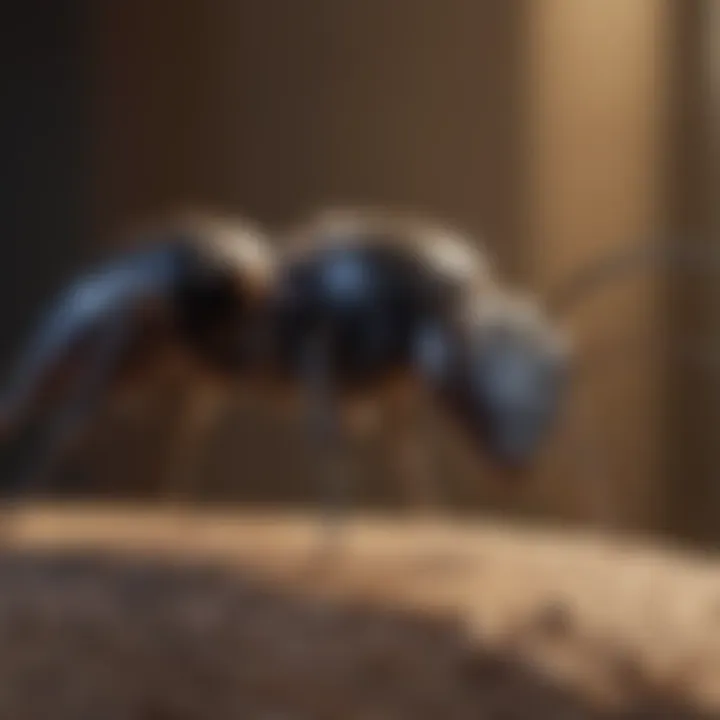
Carpenter ants can be identified by their physical characteristics, which include varying sizes, colors, and body structures. Understanding these features is essential as it helps distinguish carpenter ants from other ant species. Their nesting habits are also worth noting, as these ants prefer to build their colonies in moist or decaying wood. By recognizing these behaviors, individuals can locate and target carpenter ant colonies effectively.
Physical Characteristics
The physical characteristics of carpenter ants play a significant role in their identification. With segmented bodies, elbowed antennae, and powerful mandibles, these ants are well-adapted for tunneling through wood. Their large size compared to other ant species is a key characteristic to look out for when spotting carpenter ants. Although their physical traits make them adept at their wood-boring activities, they are also indicative markers for homeowners to identify and address potential infestations.
Nesting Habits

Carpenter ants exhibit unique nesting habits that set them apart from other ant species. They excavate galleries within wood structures to create nest sites, which can lead to structural damage over time. By understanding their preference for nesting in damp or damaged wood, individuals can proactively address moisture issues in buildings and prevent further infestations. While their nesting behavior presents challenges for homeowners, it also provides insight into targeted control strategies.
Foraging Patterns
Carpenter ants have distinct foraging patterns that contribute to their survival and colony development. By exploring these foraging behaviors, individuals can gain valuable insights into how these ants locate food sources and establish trails for communication.
Feeding Preferences
Carpenter ants exhibit preferences for a variety of foods, including sugars, proteins, and fats. This diverse diet allows them to thrive in various environments, making it essential for individuals to eliminate potential food sources to deter ant infestations. Understanding their feeding preferences is key to implementing effective pest control measures that disrupt their foraging activities.
Trail Marking
Trail marking is a crucial aspect of carpenter ant behavior, as it enables ants to communicate and navigate efficiently. By leaving pheromone trails, ants can communicate food sources, nest locations, and potential threats to other colony members. Recognizing and disrupting these trails is essential for breaking the communication system within carpenter ant colonies, ultimately aiding in their eradication.
Effective Prevention Measures
Effective prevention measures play a crucial role in managing carpenter ant infestations outdoors. By implementing proactive strategies, homeowners can significantly reduce the likelihood of ant colonies establishing themselves near dwellings. Maintaining proper sanitation is key to preventing and controlling carpenter ant invasions. Proper sanitation practices encompass various elements that contribute to a pest-free environment.
Maintaining Proper Sanitation
Removing Food Sources
Removing food sources is a fundamental aspect of carpenter ant control. By eliminating accessible food, homeowners disrupt the ants' foraging patterns and discourage them from colonizing outdoor spaces. This proactive approach reduces the attractiveness of the area to carpenter ants, forcing them to seek nourishment elsewhere. The removal of food sources is a popular choice for homeowners seeking long-term solutions to ant infestations, as it addresses the root cause of the problem effectively.
Sealing Entry Points
Sealing entry points is another integral component of effective prevention measures against carpenter ants. By closing off potential entryways into homes and outdoor structures, individuals create physical barriers that impede the ants' access. This method not only blocks ant entry but also prevents other pests from infiltrating buildings. The unique feature of sealing entry points lies in its dual functionality of keeping carpenter ants out and enhancing overall pest control efforts. While sealing entry points offers significant advantages in mitigating ant infestations, homeowners must also consider the maintenance required to ensure lasting protection.

Landscaping Practices
Landscaping practices are essential in creating an environment that is less hospitable to carpenter ants. Properly executed landscaping not only enhances the aesthetic appeal of outdoor spaces but also serves as a deterrent to ant infestations.
Trimming Vegetation
Trimming vegetation is a vital aspect of landscaping practices to deter carpenter ants. Overgrown vegetation provides conducive conditions for ant nesting, increasing the likelihood of infestations near homes. By maintaining well-manicured landscapes, homeowners eliminate potential nesting sites and reduce the proximity of ants to buildings. The key characteristic of trimming vegetation is its role in minimizing ant-attracting habitats, thereby fostering a less hospitable environment for carpenter ants.
Keeping Firewood Away
Keeping firewood away from structures is a strategic landscaping practice that helps prevent carpenter ant infestations. Woodpiles near homes serve as attractants for these ants, providing both shelter and food sources. By storing firewood at a distance from buildings, homeowners limit the opportunities for ants to establish colonies in close proximity. The unique feature of keeping firewood away lies in its direct impact on reducing the likelihood of ant invasions, making it a proactive measure in outdoor pest management. Despite its effectiveness, individuals should be mindful of the logistical considerations involved in relocating firewood and maintaining accessibility while safeguarding against ants.
Organic Remedies for Carpenter Ant Control
Organic remedies for carpenter ant control play a crucial role in effectively managing ant infestations outdoors. These natural solutions offer a safe and environmentally friendly alternative to chemical treatments. Utilizing organic remedies aligns with the principles of eco-conscious pest management, making them an attractive option for those seeking a sustainable approach. Additionally, organic remedies can be equally potent in eradicating carpenter ants while minimizing potential harm to other beneficial insects and the surrounding ecosystem.
Diatomaceous Earth
Application Method
Diatomaceous earth is an organic substance that works by dehydrating insects upon contact. The application method involves creating a barrier of diatomaceous earth around areas prone to ant activity, such as entry points or nesting sites. This fine powder effectively sticks to the ants' bodies, leading to desiccation and eventual death. Its natural composition and mode of action make it a popular choice for organic pest control enthusiasts. Diatomaceous earth's abrasive structure physically disrupts the ants' exoskeleton, ensuring a swift and efficient control method.
Effectiveness
The effectiveness of diatomaceous earth lies in its unique mode of action against carpenter ants. As a desiccant, it is particularly efficient at eliminating ants while leaving no harmful residues in the environment. This method is non-toxic to humans and pets, offering a safe alternative to chemical pest control. The long-lasting effects of diatomaceous earth make it a sustainable solution for ongoing ant management, providing continuous protection against future infestations with minimal environmental impact.
Boric Acid
Usage Considerations
When considering organic remedies for carpenter ant control, boric acid stands out for its efficacy and safety profile. Boric acid disrupts the ants' digestive systems upon ingestion, leading to their demise. Its slow-acting nature allows the worker ants to carry the substance back to the colony, effectively targeting the entire population. This method is a preferred choice for individuals seeking a gentle yet potent solution for carpenter ant infestations.
Safety Precautions
Safety precautions must be observed when using boric acid for pest control. While relatively low in toxicity to humans and pets, it is essential to follow application guidelines diligently. Avoiding direct contact with boric acid powder and storing it out of reach of children and animals are critical safety measures. Although considered safe when used as directed, proper handling and caution ensure optimal outcomes while minimizing potential risks associated with its application.
Chemical Treatments and Professional Assistance
In the battle against carpenter ants, Chemical Treatments and Professional Assistance play a crucial role. When other methods might have fallen short, chemical treatments become necessary to eliminate these resilient pests effectively. Professional assistance ensures that the treatments are applied correctly and provide lasting results. Chemical Treatments offer a targeted approach to eradicating carpenter ants by using potent chemicals designed to exterminate these insects efficiently.
Insecticidal Sprays
Types of Sprays
When it comes to Types of Sprays for carpenter ant control, a key consideration is the specific formulation designed to combat these pests. Insecticidal Sprays are crafted with potent ingredients that target carpenter ants while minimizing harm to other organisms and the environment. Their quick knockdown effect on ants makes them a popular choice for immediate elimination. Additionally, their residual activity ensures long-term protection against future infestations. However, users must follow strict guidelines to prevent unintended harm to beneficial insects and pets.
Application Guidelines
Regarding the Application Guidelines for insecticidal sprays, proper application is crucial for their effectiveness. Following manufacturer recommendations on concentration, frequency, and application methods is vital to maximizing results. These guidelines ensure thorough coverage of affected areas while minimizing exposure risks to humans and pets. However, it's essential to wear protective gear during application and adhere to safety precautions to avoid potential health hazards.
Consulting Pest Control Services
Engaging Pest Control Services is a wise move when dealing with extensive carpenter ant infestations as professionals offer expertise and specialized solutions.
Assessment
During the Assessment phase, pest control experts inspect the premises to identify the extent of the infestation and factors contributing to it. Assessment helps in crafting tailored solutions for effective eradication. Professionals use advanced techniques like thermal imaging to detect hidden nests and determine the best course of action. However, assessments can be time-consuming and may incur additional costs depending on the severity of the infestation.
Treatment Plans
Following a thorough assessment, Treatment Plans are personalized to target carpenter ants effectively. These plans outline the strategies, products, and techniques to be employed for eradication. Professionals may use a combination of chemical treatments, baits, and barriers to eliminate ants at the source. The advantage of professional treatment lies in their expertise, ensuring safe and efficient removal of carpenter ants. However, the cost of professional services can vary based on the complexity of the infestation and the chosen treatment methods.