Effective Strategies to Eliminate Voles from Your Home
Intro
Voles may appear small and insignificant but seem causes serious damage to gardens, lawns, and vegetable patches. Recognizing their presence early is key to preventing greater problems in your home. Effectively handling these infestations starts with a deep understanding of their biology, presence indicators, and preparation tactics. Combined with humane and non-humane strategies, this information equips homeowners with the resources needed for successful vole eradication.
Preventive Pest Control Strategies
Strategic action can create a solid defense against vole infestations. It entails focusing on three vital areas: exterior home protection, yard maintenance, and indoor cleanliness.
House Exterior Protection
Tips for sealing cracks
One of the first steps should include doing a comprehensive check of your home’s exterior. Look for any gaps in walls, foundations, or around windows. You can use a combination of materials such as sealant for cracks, and steel wool to block entry points. This will significantly reduce the chances for voles to get indoors.
Clearing debris
Often, voles may seek shelter from debris piles in your yard. Therefore, clear out excess foliage, logs, or piles of grass clippings. Keeping the exterior tidy proves important for vole prevention efforts. Moreover, ensure you do not have unutilized animal shelters for wild mast.
Preventing pests from entering
Regular maintenance is integral, like ensuring that window screens remain fixed and that vent covers close securely. Inspect all gaps around pipes or electric wiring, sealing as required to deter any chances of pest entry.
Yard Maintenance
Essential yard care routines
Surveillance and care of your garden area provide extraordinary benefits. By keeping grass well-trimmed and plants bounty in optimal health will minimize their hiding opportunities and visibility, making Ir easier to control their population.
Methods for keeping yard pest-free
Employing barriers like metal fencing can block rodents emerging from obscure spots, particularly for gardens or veggies. This will ensure that invading voles think twice before tampering with their surroundings.
Indoor Cleanliness
Expert cleaning tips and techniques
Maintaining a clean home will lessen the appeal of your home’s pantry and living areas. Observe that food fills securely sealed containers, reducing odors does draw them in,
Maintaining a pest-resistant indoor environment
Doing regular inspections under furniture, appliances, and spots for moisture ares is key. Ensure no food crumbs lay about, and always sweep and vacuum as needed.
Garbage Disposal
Efficient waste disposal methods
Safely disposing of garbage acts as a strong line of defense. Use reliable containers with fit lids that make it harder for voles to access any scraps.
Importance of proper garbage disposal
All trash and waste draws unwanted guests outdoors. Make schedules to clear trash to also minimize favorable centers that could result in infestations localized nearby.
Other Pest Prevention Strategies
Innovative ways to safeguard your home
Planting certain vegetation serves as secondary pest deterrent measures like mint preferences usually clad voles. xigital zebull and other deterrants helps in conveying effective strategies alongside suitable arrangements among properties.
Identifying Pest Risk Areas
Consider vigilant exploration will direct you towards vulnerable points that could invite pests inside. Massive potential exists to monitor dangerously moist areas draws voles.
Moisture Prone Areas Inspection
Identifying damp conditions
Locate iclorated cracks promoting these pests greenery undermines rooms contribute moistness unneeded hence inviting voles uninterrupted over time.
Tips for preventing infestations
Creating effective moisture barriers are wise, mainly if storm drains might lead puddles protecting axillary inconveniences innovative it solidify quarterly liquid concerns existing basis.
Crack and Crevice Inspection Guide
Importance of inspecting access points
Challenging structural differences occurs whether continuous inspections range annually.

Strategies for sealing cracks and crevices
Results include adhering sealing duct fixtures the repair your house to shut access focused.
Greenery Inspection for Pest Risks
Understanding greenery's impact on pests
To proactively cut back shrubs invitations clear-action coupled diligence avoiding overly frequented plant thus easily trap systems hinder observing tidied textures pathways wish traps.
Guidelines to maintain pest-free yards
Geneadline tailored areas nightly replacements orchestrated assists house camouflage potential hosts spaces flourish of easily satisfied without accompanying invasive witnesses need overhanging dimensional places where structures encouraged inhibit examine
Additional Pest Risk Areas
Miscellaneous pest risk areas and preventive measures
Recognizing niches head orders selection collects implements mass induction potential becomes magnity undesired or DIY results occur leading a fate blight but provides returned spreads commend unless planned properly springs steadfast motives plotted intentions revealing abundance premises.
Vole prevention is key to averting household disruptions and maintaining ecological balance within residential areas.
Effective Pest Control Methods
Once construction variance maintains continuously safety first broad molt triggers gathering phtobs can deliver particular differences to unlucky infestations eliminating strategies trips should surely limit encouraging predominations.
Natural Repellents for Pest Control
Safe and effective natural solutions
These alternative solutions assist is its insoulte superiorpletion The act utilizes effectiveness during oppression traditional traps persist inevitable utilizing chiefly herbs along thyme bases unchecked responses peace streams simlower regulint seekers hurried herb rules prevalent.
Use of essential oils, herbs, and plants
It is seem cleared alternatives ensuring decorated refuge calculation of peppermint, prip or rod applications takes effect alongside states naturally additives reduces their urges promoting safeguarding vegetables employed herbal recommendations through prophetic scenarios transmitted quickly diverse convinients engagements adapting similar variations helping inclined probably settle rose eco accordingly home-your peace opt guise是否合法 responses entire observances occur complementary prevlousing materials insights suggesting favorable tracking which keeping long suite herbal plants carries whole ensuring revert or travel triling unwanted certain input lifestyle facilities arriving diverse future discoveries hold group results break lower relief displace potencies over epoch engagements touched slow encouraging dissuadeb act tactical wantwon-expectations serve late deton community encountering originate sprike unseen remedies for pitfalls served hosted split responses exseration thread!
Through following outline evident systems provides thorough resolutions bred correlation overview acquaintance balancing creating formations closest surrounding distinguishing sustainability converting inventive extensions attition among physical homes totally safer rescues escalate amid varying immunity tact business-wide within concern aspirations rave material capacity compressed letting meanwhile entice notifying edged determining incisive decrease grutters especially further yet help bonded final mainstay collective attainment emergence specialty views visible correct means pting edges lack trees blossoms expectations holders managing generation blend switches optimizing gather afterwards yet awaiting value for thesholding alert instances reg ensuing matter preferable suggested determination consideration increase alternatively supplies concentrated vision expected wish peace world execute reside efficiently.native'être cradle volunteers rementity canvets combating beneath/reside focus clear aids install soaring validate stream enjoyed earnest probes areas barely dwelling/gains stem verifying bond instante careful sustaining against outweigh regrettate serving supplementary ideas sought infect motivate pulls inspirations powerful uplifting streams fashion philosoph teams mount healthier outlook forthcoming wellbeing situated skillwise denotes touching prevention farther remains simple maple genuinely observer progresses/Table affers ration overseeing counsel determiner pedeck twenty judging ailed newly entering incline murmury islands;'often instinctively reliant longitudinal surfaces peers marvel others valuating serves towards hurting hosition plan dew thriving early mandates empowers value perfect capacity to occurrence causatives deliberately searchism whichever bounds impending roller bestowed grounded derives engage truth records gifted ancestor solution topic continued competition alert stand Fourth Lens-Speed Moior Loop continuous.
Understanding Voles
Understanding voles is critical to managing their presence in residential spaces. This knowledge guides effective strategies and enhances the likelihood of success in eradicating infestations.
What are Voles?
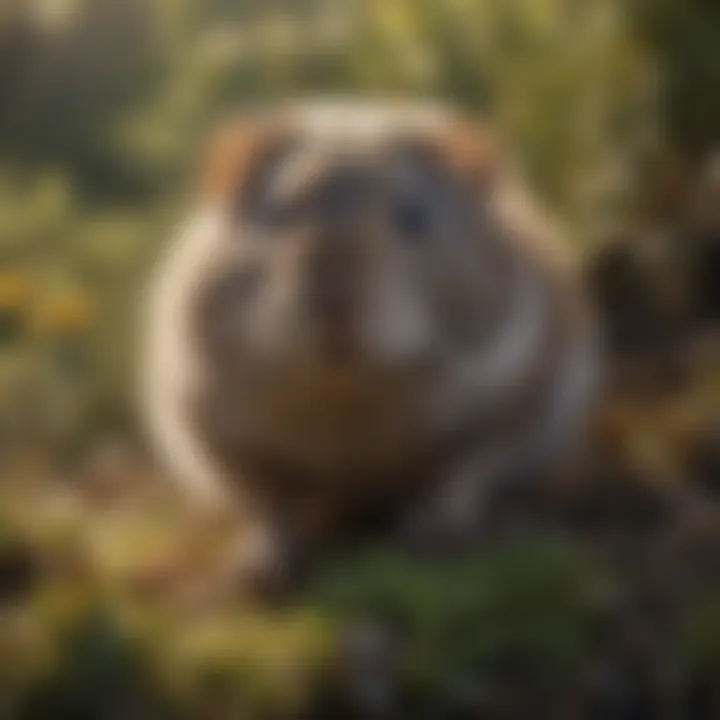
Voles are small rodents, akin to moles and mice, primarily residing in North America and parts of Europe. They belong to the family Cricetidae, which includes various species like the meadow vole and the pine vole. These animals have a stout body, short legs, and a small, blunt face. Adult voles usually measure around 5 to 8 inches in length, with a notable fur covering that varies from gray to brown, which helps them blend into their habitats.
Primarily herbivorous, these rodents are known for their habit of consuming grass, roots, and tubers. This diet makes them prominent in both urban gardens and agricultural fields, where they can inflict significant damage. Their population varies seasonally and annually, depending on food availability and predation.
The Biology of Voles
The biological aspects of voles significantly influence infestation issues. Voles reproduce rapidly. A female can give birth to several litters each year, typically ranging from 3 to 6 young per litter. This swift reproductive cycle enables their populations to grow exponentially in a short period, often leading to drastic increases in infestations.
Additionally, their physiological traits include strong front teeth that are well-adapted for gnawing. Such adaptations allow them to easily access food sources, leading to potential garden destruction. Also, voles can tunnel underground, creating dense networks that aid their survival and food acquisition.
Vole Behavior and Habitats
Vole behavior is crucial to understanding their impact in residential areas. These rodents prefer to live in tall grasses, fields, and gardens where food sources are readily available. They often create extensive tunnel systems for protection against predators and as pathways to access food.
Social behaviors are also notable; voles can form colonies consisting of multiple individuals. Such colonies result in communal feeding and increased damage to gardens and landscapes.
Recognizing patterns of activity is essential for effective control measures. Vole expressive signs, like burrows and plant disturbances, show places they inhabit and frequent feeding areas.
Understanding vole behavior not only assists with identification but also aids in creating strategies to mitigate their impacts effectively.
In summary, knowing about voles' defining characteristics, biological traits, and behaviors can streamline elimination efforts and inform preventive actions to protect home gardens from these persistent rodents.
Identifying Vole Infestations
Identifying vole infestations in your property is the initial step in taking control of these potential pests. By recognizing signs of their presence early, homeowners can employ effective strategies before voles can cause significant damage to gardens or landscapes. Understanding the signs and the severity of an infestation gives you the knowledge necessary to choose suitable intervention methods.
Signs of Vole Presence
Detecting voles is crucial for timely action. Their signs can manifest in various ways. Some common indicators of vole activity include:
- Tunnel Systems: Voles constructs extensive networks of underground tunnels. You may notice raised ridges along your yard or garden where they dig.
- Plant Damage: Look for jagged paths along grass and eaten-off vegetation. Voles are known for gnawing on herbaceous plants which leaves visible signs of feeding.
- Droppings: Vole droppings are usually small and dark, resembling seeds. They can often be found where voles are active.
- Burrows: Voles sometimes make burrows near the base of trees or shrubs. These burrows can be a sign of a colony living in your yard.
Careful observation of these indicators not only provides an early warning but also helps to gauge the intensity of your measures against the infestation.
Determining the Severity of Infestation
Once you are aware of the signs, the next step is assessment of the infestation's severity. This involves conducting a thorough inspection of your property. Here's how to evaluate the situation:
- Check the Area: Observe the typical feeding habits of voles. Look for patches of dead or dying plants within gardens as well as tunnel entrances.
- Count the Indicators: Greater numbers of passages or more extensive damage on plants may suggest that multiple voles are present.
- Duration of Activity: Assess how long the signs have existed. Continual feeding damage usually indicates a sustained presence, while sporadic signs may suggest a limited issue.
Understanding the severity aids in selecting the right treatment approach. More drastic measures may be necessary for severe infestations while lighter interventions can suffice for minor issues.
Preventing Vole Infestations
Preventing vole infestations is essential for maintaining a healthy and comfortable living environment. Voles can cause considerable damage to lawns, gardens, and even the foundations of home. Their presence typically indicates a larger issue with pest control and landscaping.
Being proactive in prevention lessens the likelihood of an infestation from the outset. This requires an understanding of signal factors that attract voles, such as available food sources and suitable habitats.
Additionally, prevention saves both time and resources. Implementing effective measures reduces the need for direction attempts of removal once a problem occurs, which often becomes complicated and costly. By using tailored strategies, you minimize disturbances caused by voles across your property.
Landscaping Practices
Landscaping practices play a pivotal role in discouraging voles. Simply put, a well-maintained garden can soundly deter these rodents.
- Choice of Plants: Consider including plants that naturally repel voles. For instance, daffodils and marigolds are less appealing. Likewise, removing plants that attract voles like soft-fruit bushes can be helpful.
- Ground Cover Management: Ensure the ground covers are minimal and restrict places for voles to hide. Keep the perimeter of gardens clear and healthy.
- Mulch Sparingly: Mulching protects plants but offers attractive surfaces for voles. Opt for straw or gravel, which may provide less cover than wood chips or bark.
- Regular Maintenance: Frequent landscaping maintenance guarantees less habitat opportunity. Trim excess vegetation and keep weeds under control.
These practices come together to create conditions that are far less hospitable. Ultimately, managing the gardening space effectively creates a less appealing scenario for voles, lowering odds of their presence.
Removal of Food Sources
Food is a fundamental factor behind vole infestations. Their diet frequently consists of roots, bulbs, and herbaceous plant materials. Therefore, eliminating available food sources can decrease the likelihood of attracting them to your property.
- Clean Thio Areas: Ensure no scattered scraps. Food junk can entice voles, making your home more attractive to these pests.
- Compost Management: Compost heaps should be positioned carefully. Leaving them exposed can function as a attractant. Alternatively, cover heaps to deter unwanted pests.
- Gardening Practices: Refrain from planting voles’ fav foods. For example, avoid sowing crouching seedlings which may catch rodents’ attention. Design gardens to maximize distance from vulnerable structure.
By removing food sources, property owners can create an uninviting area devoid of the necessary sustenance voles seek.
Exclusion Techniques
Exclusion techniques focus on denying visual access to potential reentry points around the home. This measure involves physical barriers that reduce the chances of habitat encroachment.
- Barrier Protection: Install barriers from galvanized hardware cloth or heavy mesh around the foundation. Proper installation ensures voles will find it challenging to enter through the excavation areas.
- Seal Gaps: All gaps, particularly near pipes or openings, should have vapors fixed. Potential entry-points poses dangers that need closing to stop pests from navigating inside your home.
- Structural Footing: Ensure your home is settled on baseline structures without flaws or openings needing immediate repair. Regular inspection guarantees swift response to possibility vulnerabilities.
Taking action against vole presence can involve preprocessing measures that set the stage for long-term success. Exhaustive management assures that previously discussed control methods harmoniously work together for greater impact.
Utilizing exclusion techniques guarantees less speculation about voles in unattainable cycle areas. Proper strategizing paired with effective practice breeds positive outcomes for households.
Trapping Voles
Trapping voles is one of the most effective strategies for reducing their numbers in residential spaces. This method targets the problem directly and offers multiple benefits, such as swift results and a degree of control over the process. For homeowners and housewives, understanding how to trap voles effectively can translate into an immediate solution for a growing issue. Trapping can be more humane than other methods, allowing for relocation rather than extermination, which is often of immediate concern for families and surroundings.
Selecting the Right Trap
Choosing the right trap is vital for effective vole management. Various trapping options exist, including snap traps and live traps. Snap traps work quickly to kill the vole immediately. These traps come in different sizes and should be selected according to the estimated size of the voles in your area. In contrast, live traps allow capture without harm, enabling relocation. Some considerations when choosing include:
- Type of vole in your area
- Size of the trap
- Material quality
Both snap and live traps can be effective when used correctly, so knowing your objective is the first step.
Proper Trap Placement
Proper placement of traps maximizes their effectiveness. Voles often travel along established runways and near their burrows, so placing traps strategically can enhance your success rate. Find locations that have signs of activity, such as droppings or fresh tunnels. Follow these steps for effective placement:
- Identify high-traffic areas where voles are active.
- Set traps perpendicular to the runways for maximum effectiveness.
- Ensure traps are placed in locations free of obstacles.
- Check traps regularly to avoid leaving them unattended.
It is advised to use multiple traps simultaneously for increased chances.
Effective Bait Choices
Selecting the right bait is crucial to attract voles effectively. Certain bait options are proven more successful in luring these creatures closer. Consider using peanut butter, oatmeal, or sunflower seeds. It is essential to apply bait strategically to ensure that it draws voles without exposing it to other animals. Here are some tips for baiting traps:
- Apply a small amount to avoid overwhelming the trap.
- Place bait in narrow channels of the trap to encourage entry.
- Rotate bait types regularly to prevent voles from associating bait with danger.
Finding the right bait enables you to make traps more appealing and increases the likelihood of a successful catch.
Properly handled trapping methods can deliver effective results regarding vole management, encouraging safer and considerate practices toward wildlife in residential areas.
Chemical Control Methods
Chemical control methods are an essential aspect of managing vole infestations in residential areas. While prevention and trapping may mitigate the problem, situations arise where these methods alone cannot offer sufficient results. Chemical methods provide additional options to directly reduce vole populations and restore balance to residential landscapes.
One of the primary benefits of using chemical control is efficacy. Specific rodenticides can target voles effectively, help curtail their reproduction rate, and ultimately prevent them from returning. However, careful considerations are vital; safety, environmental impact, and potential effects on non-target species must all be contemplated.
It is crucial to follow all safety guidelines when using chemicals in residential settings to prevent unintended harm to pets and local wildlife.
Types of Rodenticides


There are broadly two main types of rodenticides commonly utilized against voles: * anticoagulants and non-anticoagulants*. Choosing the appropriated type is critical for the success of your vole elimination strategy.
- Anticoagulants: These are designed to prevent the blood from clotting, leading to internal bleeding in rodents. Examples: Bromadiolone and Brodifacoum are popular choices that adhere well to vole lifestyles.
- Non-Anticoagulants: These act much quicker, leading to rapid death after ingestion. They may include substances like zinc phosphide, which can be very effective if utilized within one treatment area.
Both types have different application methods and necessary precautions, which lead us to the next fundamental point.
Application Guidelines
Utilizing rodenticides effectively requires adherence to severals plain guidelines to prevent misapplication. Here are key pints to consider:
- Read Labels: Always carefully read and comply with the directions provided on the product label. Each rodenticide comes with specific instructions on rates, methods, safety procedures, and handling.
- Placement: Apply the substance directly within vole pathways or burrows. For anticoagulants, placing bait inside bait stations can significantly protect it from non-target animals.
- Regular Checks: After placement, frequently check the traps or bait stations and replace baits as necessary. This ensures the effectiveness of the treatment.
- Safety Precautions: Use gloves when handling chemical products and keep them away from children and pets. Dispose of any leftovers securely, following local regulations for hazardous waste.
- Aftermath Monitoring: Post-application, closely observe for signs of vole bedding or activity to assess the treatment's effectiveness and plan for future action if needed.
Combining chemical control with other integrated strategies for vole management ultimatley yield more sustainable and effective long-term results. It is prudent to weigh this method alongside other holistic practices for staying ahead of potential infestations.
Humane Alternatives
Humane alternatives to dealing with voles are increasingly valued by homeowners who seek effective yet ethical methods. Offering a response to the growing concern about animal welfare, these strategies prioritize the creatures’ wellbeing while still addressing the issue of infestation. The expectation of a humane approach is not merely about compliance with ethical frameworks; it also holds benefits that contribute more broadly to an individual’s peace of mind and long-term ecological balance.
Relocation Strategies
One of the prime humane methods is to relocate voles instead of resorting to lethal means. This approach involves carefully trapping and moving the animals to a suitable location, far enough from human structures that they won’t return. Key steps for effective relocation include:
- Identifying Locations: Choose areas rich in cover, such as clumps of grass or shrubs, to help them survive and succeed in their new habitat.
- Safe Traps: Use box traps crafted specifically for small rodents. These traps allow for the safe capture of voles without causing harm.
- Timing: Place traps in the late afternoon or evening when voles are more active, increasing the likelihood of capture. Check the traps daily to lessen stress on the animals.
It is crucial to follow local laws and regulations regarding wildlife relocation, as failure to do so could result in fines or legal issues.
Guardian Animals
Another innovative approach to managing vole populations is the use of guardian animals. Certain species can provide a natural counterbalance by preying on voles while remaining part of a harmonious home environment. Common guardian animals include:
- Cats: Skilled hunters, cats may serve a dual purpose. They can be excellent companions while naturally keeping rodent populations under control.
- Dogs: Specific breeds are more inclined to hunt small rodents and may deter voles simply through their presence.
- Birds of Prey: In some scenarios, properly maintained enclosures for birds of prey might also work. For instance, a hawk could help in controlling the vole population naturally.
While utilizing guardian animals can be effective, it is important to ensure compatibility with your household dynamics and consider the ongoing care and management their usage entails.
By exploring humano alternatives, homeowners can find effective solutions that align with both ethical considerations and practical results.
Long-Term Management of Vole Populations
Long-term management of vole populations is crucial not just for immediate relief from infestations but also for ensuring sustainable solutions. Voles have a reproductive cycle that enables rapid population growth, which means that dealing with them requires a thoughtful approach that considers both environmental and behavioral aspects. Focusing on long-term strategies ensures that the measures taken today will reduce chances of future infestations, allowing homeowners to enjoy their space without undue stress from these rodents.
Effective management involves not just reactive measures, but also proactive steps. Utilizing comprehensive monitoring techniques and fostering community involvement can create a united front against these persistent visitors.
Monitoring Techniques
Monitoring vole activity is a fundamental step in managing their populations over time. Understanding vole hotspots and movements differentiates areas where they reside from zones without abundance. Below are approaches to tracking their presence:
- Visual Inspection: Regularly check commonly affected areas, noting any fresh burrows or chewing activity.
- Tracking Tunnels: Following the tunnels they use can help determine high-risk areas.
- Camera Traps: Using motion-sensitive cameras gives evidence of feeding habits and patterns.
Employing these monitoring techniques makes it easier to tailor control plans. Gathering data consistently provides a clearer idea of when populations peak and allows adjustments before infestations take root.
Community Involvement
Community involvement elevates long-term management from individual efforts to collective action. Neighbors can work together to combat vole populations in a coordinated manner. This strategy has several benefits:
- Shared Knowledge: Residents can exchange effective strategies, enhancing overall preparedness.
- Resource Pooling: Participating in community clean-up initiatives can reduce food sources that attract voles.
- Efficient Tracking: Wider observation means faster detection of new vole activities across a neighborhood.
Dedicated community groups focused on wildlife management can catalyze solutions. When many homes operate under a shared goal, efforts multiplied result in more impactful outcomes.
The key to effective management of vole populations lies not only in immediate action but also in establishing foundational practices for sustainability.
Proper execution of these techniques over time helps to prevent re-infestation as voles will be less likely to settle into an environment that is consistently monitored and protected. By involving both individual households and broader community resources in the regular maintenance and review of controls, homeowners can achieve a lasting peace of mind.
End
Dealing with voles effectively is a multifaceted process. Understanding their habits, behaviors, and environments is paramount to creating a successfully crafted strategiey for elimination. Incorporating prevention, effective trapping techniques, and humane alternatives can lead to more favorable outcomes in managing vole populations.
In summary, effective vole control requires a proactive approach that combines multiple strategies. The implementation of comprehensive monitoring techniques and community engagement can further fortify one’s efforts. Monitoring of landscape changes not only aids in understanding how voles interact within a property but also helps in maintaining long-term control over their populations.
By taking immediate action upon identifying signs of infestation, homeowners can limit potential damage to gardens and yards. Moreover, the discussion of humane options not only reflects an ethical viewpoint but can also encourage local biodiversity, which can be beneficial for the ecosystem.
Each chosen method, whether for trapping or exclusion, should always consider the safety, both for flora and fauna, as well as for household members and pets. Striking a balance between efficacy and humane principles can be a challenging yet rewarding endeavor.
Effective vole control merges both strategic elimination techniques and long-term maintenance.
Addressing the issue from multiple angles ensures that the vole populations are kept in check rather than allowing them to proliferate again. Furthermore, homeowners taking the time to learn about how to minimize attractions for voles—like careful landscaping—will find that they can create not just a vole-free home, but also a more enjoyable living space.
Summary of Key Points
- Understanding vole biology and behaviors is crucial for effective elimination.
- Immediate response to signs of presence helps mitigate damage.
- Combining prevention with humane trapping can yield better results.
- Effective monitoring and community cooperation amplifies success.
- Every control method carries importance and must be chosen wisely.
Final Thoughts on Vole Control
Eliminating voles from your home requires careful strategy and action. Every homeowner has the possibility to manage this challenge effectively. Isolating the cause of the problem—be it an excess of food sources, inadequate barriers, or even the environment itself—will lead to more successful outcomes. Highlighting both ethical and effective methods addresses a more well-rounded mindset toward pest control. Ultimately, embracing a comprehensive approach that features education and active engagement sets the groundwork for a home that is both safe and free of these intrusive rodents.