Expert Strategies for Eliminating Carpenter Ants and Preventing Infestations


Preventive Pest Control Strategies
When it comes to effectively managing carpenter ant infestations, implementing preventive pest control strategies is crucial. Starting with safeguarding the house exterior, sealing cracks is essential to prevent ant intrusions. Clearing debris regularly from around the property not only enhances aesthetics but also deters pests from finding shelter. To further fortify your home, preventing pests from entering through measures like installing screens on windows and doors is advised. Moving on to yard maintenance, adhering to essential yard care routines such as regular mowing and trimming bushes can significantly reduce carpenter ant habitats. Incorporating methods like pruning overhanging branches and removing stagnant water sources helps keep the yard pest-free. Indoors, maintaining cleanliness is paramount in ant prevention. Adhering to expert cleaning tips and techniques, such as deep cleaning hard-to-reach areas and promptly fixing leaks, can contribute to a pest-resistant indoor environment. Moreover, efficient garbage disposal methods play a vital role in eliminating potential ant food sources. Proper garbage disposal not only keeps your surroundings clean but also minimizes attractants for pests. Additionally, exploring innovative ways to safeguard your home against various pests ensures a comprehensive approach to pest prevention.
Identifying Pest Risk Areas
To effectively combat carpenter ant invasions, identifying pest risk areas is imperative. Initiating moisture-prone areas inspection helps in pinpointing damp conditions that attract ants. By implementing tips for preventing infestations like repairing leaky pipes and improving ventilation, you can mitigate ant infestation risks. Conducting a thorough crack and crevice inspection is vital as these access points serve as gateways for pests. Sealing cracks and crevices with suitable materials forms a barrier against intruding ants. Furthermore, inspecting greenery for pest risks sheds light on how landscaping choices can impact pest activity. Following guidelines to maintain a pest-free yard, such as keeping vegetation trimmed and reducing organic debris, enhances your efforts in ant prevention. Identifying additional pest risk areas, whether within the home or outside, allows for a comprehensive pest management plan to be implemented.
Effective Pest Control Methods
When it comes to eliminating carpenter ants, employing effective pest control methods is essential. Utilizing natural repellents for pest control offers a safe and eco-friendly approach to managing ant populations. Essential oils, herbs, and plants like peppermint and diatomaceous earth are natural remedies known for deterring ants. On the other hand, chemical sprays for pest control, when used judiciously and following safety guidelines, can effectively eradicate ant colonies. Incorporating pest traps into your pest control arsenal provides a non-toxic method of capturing and removing pests safely. Moreover, exploring biological control methods where natural predators are introduced to manage ant populations presents an environmentally-friendly solution. Considering other pest control methods beyond the conventional options expands your repertoire and enhances your ability to combat diverse pest challenges.
Pest Species Identification
In understanding carpenter ant management, identifying various pest species is essential. Knowing how to recognize common insects like ants, cockroaches, and spiders aids in formulating targeted pest control strategies. Differentiating between insect species is crucial as it guides appropriate treatment measures. Additionally, being able to identify rodents such as mice and rats is paramount in implementing preventive measures to deter infestations. Addressing bird species that impact home environments also plays a role in comprehensive pest management. Identifying troublesome bird species and implementing deterrents can help in safeguarding your property. Moreover, dealing with wildlife encounters effectively contributes to a harmonious coexistence between humans and wildlife. Understanding the behavior and control measures for wildlife species enables informed decision-making when addressing wildlife presence. Lastly, managing lesser-known pests effectively requires in-depth knowledge and tailored control strategies.
DIY Pest Control Techniques
For homeowners looking to take a hands-on approach to pest control, exploring do-it-yourself (DIY) techniques can be beneficial. Homemade pest control solutions offer eco-friendly alternatives to commercial products. Creating DIY remedies using common household items such as vinegar and baking soda provides effective pest control options. Introducing essential oils for pest control serves as a natural and aromatic method of repelling pests from your home. Setting up effective pest traps and barriers can aid in controlling and preventing ant infestations without resorting to harmful chemicals. Considering reputable pest control brands offers a reliable and trusted resource for homeowners seeking professionally formulated pest management products. Delving into miscellaneous DIY pest control techniques allows for innovative and tailored solutions to address specific pest issues within the home.
Understanding Carpenter Ants
This section serves as a crucial foundation for the comprehensive guide on eliminating carpenter ants from your property. Understanding the behavior and habits of carpenter ants is key to effectively eradicating infestations. By delving into the specific characteristics of carpenter ants, homeowners can better equip themselves with the knowledge needed to combat these pests.
Characteristics of Carpenter Ants
Carpenter Ant Behavior
Carpenter ant behavior plays a significant role in their infestation patterns. These ants are known for their destructive habits of excavating wood to build their nests, leading to potential structural damage in homes. By understanding this behavior, individuals can identify key indicators of an infestation and take appropriate measures promptly.
Moreover, the adaptability and resilience of carpenter ants make them a challenging pest to eradicate. Their ability to establish satellite colonies further complicates control efforts, requiring a comprehensive approach to eliminate them effectively.
Carpenter Ant Nesting Habits
Carpenter ants exhibit specific nesting habits that set them apart from other ant species. Unlike termites that consume wood, carpenter ants hollow out wooden structures to create galleries for their nests. This behavior can weaken the integrity of the infested wood over time and pose risks to property stability.
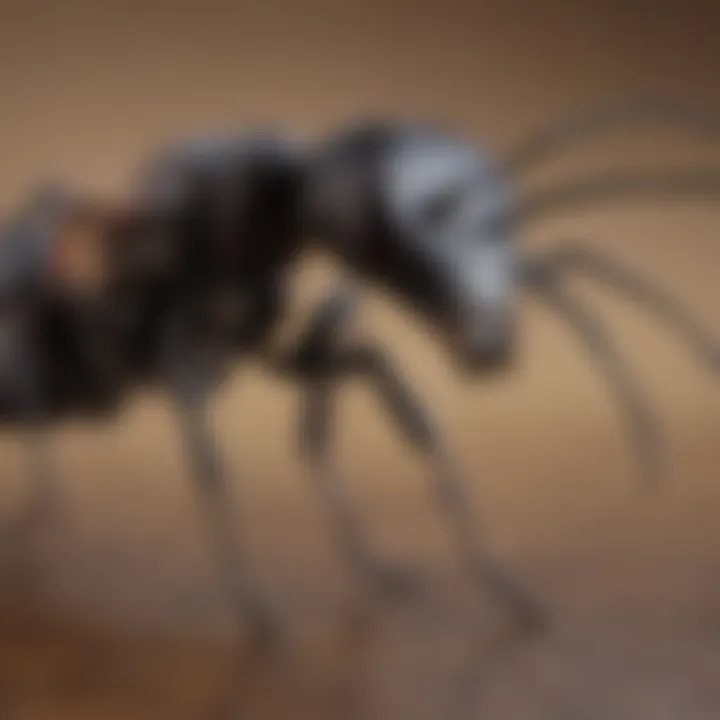
Understanding the nesting habits of carpenter ants aids in locating their colonies within a property accurately. By recognizing the signs of nesting activities, homeowners can target these areas for treatment and effectively disrupt the ants' reproductive cycle.
Identifying Carpenter Ant Infestations
In this section, we focus on recognizing the signs and indications of a carpenter ant infestation. By being able to identify the presence of these pests early on, individuals can implement control measures swiftly to prevent widespread damage.
Signs of Carpenter Ant Activity
Signs of carpenter ant activity include sawdust-like debris, known as frass, near wooden structures, especially around windows, doors, and eaves. Additionally, the audible rustling noises produced by large ants within walls or ceilings can indicate a substantial infestation.
Recognizing these signs promptly allows homeowners to address the issue before the ants cause extensive harm to the property. Regular inspections and awareness of typical carpenter ant behavior are essential in detecting their activity.
Indications of Nesting Areas
The indications of nesting areas involve identifying the locations where carpenter ants establish their colonies. Common nesting sites include damp or decaying wood, as these conditions provide the necessary moisture content for ant survival. By locating and targeting these areas for treatment, homeowners can effectively eliminate existing colonies and prevent reinfestation.
Preventive Measures
In the battle against carpenter ants, preventive measures play a crucial role in controlling infestations and safeguarding your property. By implementing proactive approaches, you can mitigate the risk of carpenter ant invasions. Maintaining proper hygiene is a cornerstone in ant prevention, as it eliminates potential food sources and reduces attractants for these pests. Additionally, sealing entry points effectively blocks ant access and restricts their movement within your home or structure. These preventive strategies not only address current infestations but also deter future ones, offering long-term protection.
Maintaining Proper Hygiene
Proper hygiene practices are essential in thwarting carpenter ant infestations. Regular cleaning practices, such as thorough vacuuming and removing food debris, are fundamental in minimizing crumbs and spills that entice ants. Consistent sanitation not only eradicates existing ant trails but also disrupts their foraging patterns, deterring their presence. Emphasizing cleanliness in kitchens and dining areas is especially critical, as these spaces are prime targets for ant activity. By upholding stringent hygiene standards, you create an inhospitable environment for carpenter ants, preventing them from establishing colonies.
Regular Cleaning Practices
The significance of regular cleaning practices lies in their ability to remove food traces that serve as ant attractants. Daily sweeping, mopping, and wiping down surfaces eliminate scent trails left by foraging ants, disrupting their communication and navigation mechanisms. Thorough cleaning under appliances, inside cabinets, and along baseboards removes hidden food sources and nesting sites, diminishing the likelihood of ant infestations. The consistent upkeep of cleanliness not only enhances the aesthetics of your home but also acts as a deterrent against carpenter ant activity, safeguarding your living spaces.
Food Storage Tips
Effective food storage is paramount in ant prevention, as improperly stored food can lure ants into your home. Sealing food in airtight containers, refraining from leaving food out overnight, and promptly cleaning spills thwart ant access to nourishment. Organizing pantries and discarding expired items reduces potential food reservoirs for ants, discouraging their presence. By adopting meticulous food storage practices, you deny ants easy access to sustenance, compelling them to seek nourishment elsewhere, away from your property.
Sealing Entry Points
Sealing entry points is a vital aspect of carpenter ant prevention, as it closes off avenues through which ants infiltrate structures. Identifying and sealing gaps in your home's exterior, such as cracks in walls and foundation, prevents ant intrusion and limits their passage indoors. By obstructing common entry points like utility lines, vents, and windows, you fortify your property against ant incursions. Utilizing caulk and sealants to seal gaps and crevices acts as a physical barrier, impeding ant entry and confining them outside. This meticulous sealing process ensures that carpenter ants are barred from infiltrating your premises, minimizing the likelihood of infestations.
Identifying and Sealing Gaps

Thoroughly inspecting your property for gaps and crevices is the first step in fortifying it against carpenter ants. Identifying potential entry points along windows, doors, and utility penetrations allows you to target vulnerable areas for sealing. Using weather-resistant sealants, such as silicone or acrylic caulk, to fill in gaps and cracks provides a durable barrier against ant intrusion. By systematically identifying and sealing gaps, you create a protective shield around your home, preventing ants from finding avenues to exploit and ensuring the sanctity of your living spaces.
Using Caulk and Sealants
Caulk and sealants are indispensable tools in sealing entry points and sealing gaps to deter carpenter ants. Their pliable nature enables them to fill even the smallest crevices, eliminating overlooked access points for ants. Choosing quality caulk or sealant products that are weatherproof and durable ensures long-lasting protection against ant invasions. Applying caulk around utility pipes, foundation cracks, and entry points with precision seals off potential routes for ant entry, reinforcing the defenses of your property. The strategic use of caulk and sealants not only fortifies your home against carpenter ants but also enhances its structural integrity, creating a pest-resistant environment to safeguard your residence.
Natural Remedies
Natural remedies play a crucial role in the comprehensive guide to eradicating carpenter ants. These remedies offer a non-toxic and eco-friendly alternative to chemical treatments. Understanding the significance of natural remedies is essential for individuals looking to maintain a safe and healthy environment while combating pest infestations. By utilizing natural remedies, homeowners can effectively address carpenter ant issues without exposing themselves, their families, or pets to harmful chemicals commonly found in commercial treatments.
Diatomaceous Earth
Diatomaceous Earth is a key component in natural pest control solutions due to its physical mode of action against insects. In this article, we delve into the specific application methods that make Diatomaceous Earth a preferred choice for eliminating carpenter ants. Its effectiveness lies in its abrasive properties, which penetrate the ants' exoskeleton, leading to dehydration and eventual death. The unique feature of Diatomaceous Earth is its versatility, as it can be applied both indoors and outdoors with minimal environmental impact. However, users should be cautious as breathing in the dust may cause respiratory irritation.
Application Methods
The application methods of Diatomaceous Earth involve creating a barrier around potential entry points for carpenter ants. This fine powder can be sprinkled along baseboards, window sills, and other areas where ants are active. Its mechanical action disrupts the insects' cuticle, causing them to dry out and perish. The key advantage of using Diatomaceous Earth is its long-lasting effect, providing continuous protection against ant invasions. While highly effective, this method requires reapplication after rain or heavy moisture to maintain its efficacy.
Effectiveness in Eliminating Ants
The unparalleled effectiveness of Diatomaceous Earth in eradicating ants stems from its ability to dehydrate and kill pests upon contact. Unlike chemical pesticides, this natural substance targets insect physiology without leaving harmful residues behind. Its eco-friendly nature makes it a popular choice among environmentally conscious individuals seeking sustainable pest control alternatives. However, users should handle Diatomaceous Earth with care to prevent inhalation and skin irritation.
Essential Oils
Essential oils such as Lavender Oil and Peppermint Oil offer a potent yet natural solution to repel carpenter ants. These oils are known for their aromatic properties and insect-repelling characteristics, making them valuable additions to the arsenal of natural remedies against ant infestations.
Lavender Oil
Lavender Oil stands out for its calming scent and antiseptic properties, making it a versatile choice for repelling ants. In this article, we explore how Lavender Oil contributes to deterring carpenter ants effectively. Its unique feature lies in disrupting the ants' pheromone trails, giving homeowners a natural way to deter these unwanted pests from infiltrating living spaces. While Lavender Oil's advantages include a pleasant aroma and non-toxic nature, its disadvantages revolve around potency variations among different oil brands.
Peppermint Oil
Peppermint Oil, with its strong menthol fragrance, serves as a powerful deterrent against carpenter ants. By interfering with the insects' sensory receptors, Peppermint Oil disrupts their communication and foraging patterns. This section delves into the key characteristics of Peppermint Oil and its role in repelling ants effectively. Its unique feature lies in its dual function as a repellent and air freshener, enhancing indoor environments while combating pest intrusions. Despite its advantages in pest control, users should dilute Peppermint Oil properly to avoid skin irritation and use it in moderation to prevent overpowering scents.
Chemical Treatments
Chemical treatments play a crucial role in the comprehensive guide of eliminating carpenter ants from your property. The use of chemical treatments is essential for effectively eradicating carpenter ant infestations due to their potency in targeting and killing these pests. By incorporating chemical treatments, you can ensure thorough elimination of carpenter ants at various stages of their lifecycle, from larvae to adult ants. Additionally, chemical treatments offer a long-term solution by creating a barrier that deters future infestations. It is important to consider the specific elements of each chemical treatment, such as their active ingredients, application methods, and potential impact on the environment. When selecting chemical treatments, it is advisable to opt for products that are specifically formulated to target carpenter ants while minimizing risks to human and pet health.
Insecticidal Sprays
Types of Sprays
Insecticidal sprays are a key component of chemical treatments for combating carpenter ant infestations. These sprays contain potent insecticides that effectively target and eliminate carpenter ants upon contact. The key characteristic of insecticidal sprays is their quick knockdown effect, which enables immediate action against active ants. This characteristic makes insecticidal sprays a popular choice for addressing high-activity areas with visible ant presence. One unique feature of insecticidal sprays is their residual effect, which continues to protect treated areas against reinfestations. However, it is essential to note that some insecticidal sprays may contain harsh chemicals that pose risks to human and pet health, emphasizing the importance of following application instructions and safety precautions.
Application Safety Measures
When using insecticidal sprays as part of chemical treatments, implementing proper application safety measures is vital for effective and safe pest control. The key characteristic of application safety measures is their role in minimizing exposure to potentially harmful chemicals for humans and pets. By following recommended safety guidelines, such as wearing protective gear, ensuring adequate ventilation, and applying sprays away from food and water sources, you can mitigate risks associated with chemical exposure. One unique feature of application safety measures is their focus on environmental protection, aiming to prevent chemical runoff and contamination. While insecticidal sprays offer effective carpenter ant control, adherence to application safety measures is essential to safeguard both the environment and inhabitants of your property.
Baits and Granules
Mode of Action
Baits and granules present an alternative yet effective approach within chemical treatments for eliminating carpenter ant infestations. The key characteristic of baits and granules is their lure-based mechanism, which attracts ants to consume or transport the products back to the colony, thus effectively spreading the insecticide throughout the ant population. This method targets the entire colony, including the queen, for comprehensive eradication. One unique feature of baits and granules is their slow-acting nature, allowing for gradual distribution within the colony and minimizing the chance of ant avoidance. While the mode of action for baits and granules ensures colony-wide control, it is essential to monitor and replenish bait stations periodically to ensure sustained effectiveness.
Placement Strategies
Effective placement strategies are essential for maximizing the efficacy of baits and granules in addressing carpenter ant infestations. The key characteristic of placement strategies is their ability to target high-traffic areas where ant foraging is prevalent, increasing the likelihood of bait consumption. Placing baits and granules near entry points, ant trails, and nesting sites optimizes exposure to the entire ant colony. One unique feature of placement strategies is their adaptability to both indoor and outdoor environments, providing versatile control options. While baits and granules offer a targeted approach to carpenter ant elimination, strategic placement and regular monitoring are crucial for achieving long-term success in managing infestations.
Professional Extermination
In this comprehensive guide on eliminating carpenter ants, the topic of professional extermination plays a crucial role in effectively eradicating these pests from your property. Professional extermination involves hiring pest control services to tackle carpenter ant infestations efficiently and thoroughly. One of the specific elements that make professional extermination a preferred choice is the expertise and experience that professional pest control companies bring to the table. These professionals are well-versed in identifying, locating, and exterminating carpenter ants, ensuring a comprehensive approach to pest management. Additionally, professional extermination services use specialized tools and treatments that are more potent and targeted, leading to more effective results.
Hiring Pest Control Services
Benefits of Professional Extermination
When considering the benefits of professional extermination for dealing with carpenter ants, one of the key aspects is the assurance of a thorough and effective eradication process. Professional pest control services offer a holistic approach to carpenter ant infestations, targeting not only the existing ants but also addressing the root cause to prevent future occurrences. The expertise of pest control professionals ensures that the infestation is handled with precision, minimizing the risk of re-infestation. Moreover, professional extermination services use eco-friendly and safe insecticides that are effective against carpenter ants but pose minimal risk to humans and pets.
Choosing Reputable Pest Control Companies
Selecting a reputable pest control company is paramount when availing professional extermination services for dealing with carpenter ants. A crucial characteristic to look for in a pest control company is its track record of successfully eliminating carpenter ant infestations. Reputable companies often have positive reviews and recommendations from satisfied customers, reflecting their effectiveness and reliability. Another essential feature of reputable pest control companies is their transparency regarding their treatment methods and pricing structure. Reliable companies offer detailed explanations of the treatment process and associated costs upfront, ensuring transparency and customer satisfaction.
Treatment Process
Inspection
The inspection phase is a fundamental aspect of the treatment process when dealing with carpenter ant infestations. During the inspection, pest control professionals thoroughly assess the property to identify the extent of the infestation, locate nesting sites, and determine the best course of action. A key characteristic of the inspection process is its meticulous nature, where every nook and cranny of the property is scrutinized to ensure no carpenter ant colony remains undetected. This detailed approach not only enables the targeted treatment of existing infestations but also helps in preventing future outbreaks by addressing underlying risk factors.
Treatment Options
In the realm of professional extermination for carpenter ants, the availability of various treatment options allows flexibility in tailoring the approach to suit specific infestation scenarios. One of the primary characteristics of treatment options is their diversity, encompassing different methods such as insecticidal sprays, baits, and granules. This diversified approach ensures that pest control professionals can select the most suitable treatment method based on the severity of the infestation and the property's specific conditions. Moreover, the use of multiple treatment options increases the likelihood of successful eradication and long-term prevention of carpenter ant infestations.