Eradicating Springtails: Your Complete Guide to Control
Intro
Springtails are tiny, wingless insects that thrive in damp and humid conditions. While they are not harmful to humans, their presence can cause issues by suggesting larger moisture problems, making their management crucial for both health and home integrity. This section dives into detailed preventive strategies that homeowners can employ to effectively keep springtails and other pests at bay.
Preventive Pest Control Strategies
Establishing solid preventive pest control strategies can help ensure that springtails do not become a problem in your living environment. Taking proactive measures can save time, effort, and money down the line. Here are essential steps every homeowner should consider:
House Exterior Protection
Your house serves as your first line of defence against intruding pests. By focusing on some targeted exterior protection methods, you create a less inviting habitat for those unwanted springtails.
- Sealing Cracks: Inspect your home for cracks or crevices in your walls, windows, and doors. Use caulk to seal these gaps effectively.
- Clearing Debris: Regularly clean your yard and eliminate debris where springtails can thrive. Piles of wet leaves, mulch, or excess vegetation pose a threat.
- Preventing Entry: Use screens on windows and doors to provide a wider barrier against insect entry while allowing fresh air into your space.
Yard Maintenance
A well-maintained yard can significantly deplete the potential for springtails.
- Essential yard care routines: Regular mowing, trimming of shrubs, and foundation landscaping are basics for maintaining a clean exterior. Keep grass trims minimal and compost waste promptly.
- Methods for keeping yard pest-free: Implement regular inspections for fungal growth and excess moisture. Look for spots where water can pool after torrential rain or prolonged watering habits.
Indoor Cleanliness
An interior well-kept matters as much as the exterior.
- Expert cleaning tips and techniques: Regular vacuuming removes organic material that could attract pests. Also ensure your kitchen utensils or spills have minimal residue.
- Maintaining a pest-resistant indoor environment: Monitor humidity levels inside your home using dehumidifiers, especially in basements, attics, and bathrooms.
Garbage Disposal
Proper waste hygiene reduces the risk of attracting springtails and other pests.
- Efficient waste disposal methods: Use bins with lids and designated spots in your yard for composting organic materials.
- Importance of proper garbage disposal: Always secure trash bags before disposal, and take out your garbage routinely to reduce infestation chances.
Other Pest Prevention Strategies
Truly safeguarding your space requires a multifaceted approach.
- Innovative ways to safeguard your home: Install moisture barriers in crawlspaces or use sprays that deter pests around your home’s perimeter.
“Prevention is always better than cure.” Keeping preventive strategies in check not only helps in managing springtails but also contributes to broader pest control efforts.
Understanding Springtails
Understanding springtails is crucial in effectively managing and eradicating these minuscule pests. With their capacity to reproduce rapidly in moist environments, they pose significant challenges to households. A comprehensive grasp of springtail biology and behavior can equip homeowners with valuable insights necessary for combatting future infestations. This section will discuss the biological characteristics, habitat preferences, and reproduction methods of springtails, offering foundational knowledge important for eradication efforts.
Biological Characteristics
Springtails, scientifically known as Collembola, are small, wingless insects typically measuring around 1 to 6 millimeters in length. Their bodies exhibit a unique design; they possess a furcula, or spring mechanism, located on their abdomen. This structure allows them to leap significant distances to escape threats, making them elusive. The coloration ranges from white to gray, with some species displaying hues of yellow or blue. This adaptation allows them to camouflage against various surfaces, facilitating their survival.
Springtails thrive in damp conditions, and their primary diet consists of decaying organic matter and mold. They play an essential role in the ecosystem by aiding in decomposition and nutrient cycling, thus promoting soil health. Their primary biological attributes contribute to their resilience in various environments. Awareness of these features is critical when devising control strategies.
Habitat and Behavior
Springtails prefer environments with high moisture levels, frequently inhabiting soil, leaf litter, and even indoor spaces where humidity levels are elevated, such as bathrooms and kitchens. Their behavior is notably influenced by environmental conditions. During dry periods, springtails migrate to cooler, moister areas to survive.
In residential settings, springtails are often found in areas with excess water, such as bathrooms, damp basements, or near houseplants where soil moisture is abundant. Notably, they are sensitive to light, seeking out darker spaces during the day. Understanding these habitat choices is essential for identifying and redirecting potential infestations.
Reproduction and Life Cycle
Springtails reproduce through a process called ovoviviparity. This means that females carry eggs within their bodies until they hatch. The reproductive cycle can vary based on environmental conditions, with optimal conditions leading to rapid population growth.
A typical springtail life cycle can start in an egg stage, hatching shortly into nymphs that resemble miniature adults. These nymphs undergo several molts before reaching maturity. Under ideal moist conditions, a single female can produce hundreds of offspring in her lifetime, further complicating eradication efforts. Understanding this life cycle offers insights into effective elimination strategies, as multiple generations can emerge in a short period.
Awareness of these biological traits, behaviors, and reproduction methods is vital when considering how to effectively manage and control springtail populations.
Identifying Springtail Infestations
Understanding the signs bringing attention to springtail infestations can be critical for early detection and effective management. Detecting the presence of springtails not only allows homeowners to avoid potential discomfort but also enables them to prevent more significant infestations that may arise due to overlooking early indicators. Recognizing these signs involves observing specific elements, understanding common habitats for these insects, and familiarizing oneself with their visual characteristics.
Signs of Presence
Several clear indications suggest that springtails might be infesting an area. Homeowners should remain vigilant for the following signs:
- Visible swarm: During favorable conditions especially in humid weather, springtails appear in large numbers. This can manifest as what looks like a tiny cloud moving, typically triggered by disturbance.
- Black specks or pellets: Their droppings can resemble tiny black specks or darker pellets scattered across surfaces.
- Damage to organic materials: Occasionally, springtails may affect seedlings or plants that are damp, taking sustenance from organic matter without causing major harm. This can damage young plants if overlooked.
Monitoring these signs consistently can make detection more effective, ensuring proper maintenance is upheld in and around the property.
Common Habitats
Springtails thrive in various places, typically those high in moisture. Identifying these environments is essential to prevent infestations:
- Basements: Often dark and damp, these areas attract springtails.
- Kitchen sinks: Water leakage and food waste create fertile ground for springtails.
- Soil in potted plants: Springtails are usually found in soil rich in organic matter where moisture is abundant.
- Rain-soaked common areas and gardens: High humidity suburbs increase the risk in outside environments.
By regularly checking these common habitats, homeowners can maintain a cleaner environment, decreasing the chances of a springtail infestation.
Visual Characteristics
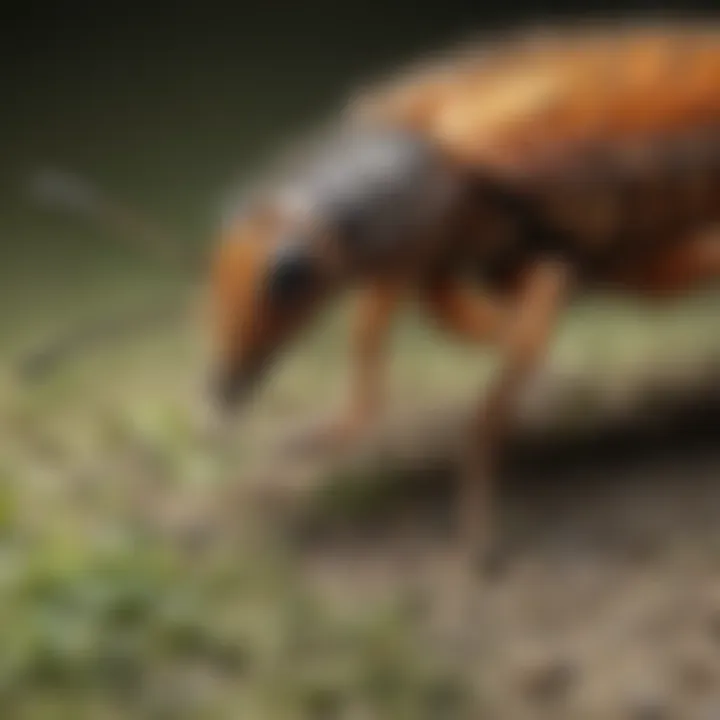
These insects are often quite small; typical adult springtails range from 1 to 6 mm. When trying to visualize and identify these nuisances, consider:
- Color: Ranges generally from white to light brown. While they look similar to common household dust, closer inspection reveals their distinctive features.
- Body type: They possess a cylindrical body, providing them a unique shape in contrast to other insects found in homes.
- Furcula: A distinguishing characteristic is their springing mechanism known as furcula, often tucked under their bodies. They release the furcula allowing them to jump, which is a primary means of movement.
Enhancing your knowledge about their characteristics can greatly aid in recognizing them promptly and initiating eradication steps immediately.
Always staying alert to the signs of a springtail presence enables a proactive approach, ensuring that home environments remain healthy and comfortable for all occupants.
Health Risks Associated with Springtails
Springtails are often overlooked, but their presence in homes can present a range of health risks that warrant closer scrutiny. In this section, we will discuss how these minuscule insects impact indoor environments and the potential for them to act as allergen sources. Understanding these risks is crucial for house owners aiming to maintain a healthy living space.
Impact on Indoor Environments
The impact of springtails on a home can be subtle yet disruptive. They are indicators of excessive moisture, which may point to underlying issues such as leaks, poor drainage, or inadequate ventilation. High humidity levels, which these pests thrive in, can lead to conditions that promote mold growth, potentially affecting indoor air quality.
- Excessive springtail populations may correlate with:
- Increased moisture levels in walls and floors.
- Structural damage from condensation or mold formation.
Furthermore, their presence can cause stress and unease among family members. While springtails don’t bite or transmit disease, their sheer numbers can create an unsettling atmosphere, especially for individuals with sensitivities to insects.
Potential Allergen Sources
Springtails themselves are not direct allergens; however, their byproducts can influence allergic reactions in sensitiveindividuals. The excretions and shed skins from springtails can become airborne, contributing to dust and potentially irritating respiratory tracts.
Key points regarding their allergenic concerns include:
- The tiny particles released into the air can incite:
- Symptoms of asthma or allergies, particularly in those who are predisposed.
- Inflammatory responses in susceptible individuals.
Having a large infestation indoors may encapsulate already problematic allergy symptoms, freeing the allergens into your living environment. Therefore, vigilance is imperative. Monitoring and managing the environment can lessen unwanted interactions with springtails and the health risks associated with them.
In summary, personal and structural health considerations are critical when dealing with springtail infestations. As seemingly harmless as they are, the implications of their presence should never be discounted.
Methods of Eradication
The topic of eradication methods holds significant importance in this article. Understanding how to effectively eliminate springtails is not just about addressing an annoyance but involves ensuring a healthy indoor environment. Various methods adapt to specific situations, offering flexibility tailored to the unique infestations. By pinpointing the level of infestation, one can choose the approach conducting efforts while maximizing efficiency and minimizing harm to other beneficial organisms. Here are the key eradication methods:
Chemical Treatments
Chemical treatments can be effective for managing significant springtail infestations. These methods usually involve insecticides designed to target wingless insects like springtails. It's critical to choose products that are specifically formulated for pests and follow label instructions to ensure safety and effectiveness.
Some common chemical agents include:
- Pyrethroids: These include chemicals such as permethrin and cyfluthrin, which can be sprayed in affected areas.
- Neonicotinoids: These act on the nervous system of insects, making them effective against adult springtails.
While chemical treatments can quickly reduce numbers, they should be handled with care. It is important to consider potential impacts on pets and children. Furthermore, these treatments should ideally be part of a wider pest management strategy, coupled with ongoing preventative actions.

Biological Control Options
Biological control options present a more environmentally-friendly tactic. This method involves using natural predators or parasites to condense springtail populations. Introducing creatures that feed on springtails can greatly help manage infestations over time. Beneficial nematodes and damsel bugs are notable examples that have shown effectiveness.
Implementing biological control requires a good understanding of local ecosystems. Natural predators should harmoniously fit into your environment. Often, maintaining balance involves creating or enhancing conditions suitable for natural enemies. This option reduces reliance on chemical solutions and minimizes resistance build-up among pest populations, which can happen with repeated insecticide use.
Physical Removal Techniques
Physical removal techniques offer simpler and less chemical-involved programmes to tackle the problem of springtails. This can include methods such as vacuuming, which can effectively remove adults and their eggs. After vacuuming, using a damp cloth to wipe down surfaces helps collect any remaining insects.
Another physical approach is adjusting light sources within the home. Changing external lighting systems can reduce insect attracting, potentially your indoor environment. Regular maintenance routines include:
- Sealing cracks and crevices to prevent springtails’ entry
- Cleaning up organic debris in yards or garden areas
While these methods are less invasive, they require consistent effort to be effective. Incorporating diverse approaches always enhances control.
Implementing an integrated pest management strategy is crucial for sustainable solutions.
Preventative Measures
Prevention plays a vital role in effective management of springtails. Understanding the habits and needs of these creatures enables homeowners to minimize their attraction to indoor spaces. Maintaining a clean and dry environment is essential for keeping springtails at bay.
Moisture Control
Springtails thrive in damp conditions. They are drawn to areas with high humidity and moisture. Thus, controlling moisture levels is the first step in prevention. This can be done by using dehumidifiers in areas like basements or bathrooms. It’s key to repair leaks and ensure that water drains away from the foundation of a house.
An effective approach might involve:
- Checking faucets, pipes, and toilets for leaks and repairing them promptly.
- Regularly inspecting areas prone to moisture, such as under sinks or behind appliances.
- Ensuring indoor plants have proper drainage and introducing only one or two to avoid excess humidity.
Proper Ventilation Strategies
Ventilation helps to reduce moisture and create an uncomfortable atmosphere for springtails. Establishing good airflow throughout the home is therefore critical. Proper ventilation can be achieved by:
- Opening windows when possible to allow fresh air circulation.
- Using exhaust fans in kitchens and bathrooms during cooking and showering.
- Ensuring that air vents are not blocked by furniture or other objects to facilitate proper airflow.
Maintaining a consistent flow of air helps combat dampness and deters insect activity.
Regular Cleaning Protocols
Consistent cleaning practices significantly decrease the chances of a springtail infestation. Paying close attention to cleaning routines can disrupt springtail populations. Effective measures might include:
- Vacuuming regularly, including corners and edges where dust collects. This helps remove organic debris that springtails often feed on.
- Mopping floors with a damp cloth to remove any lingering moisture after spills.
- Keeping storage areas, such as garages and basements, clear of clutter to limit breeding grounds.
Remember: Regular cleaning not only maintains hygiene but also ensures that no food sources are available for springtails.
Regular monitoring of moisture levels in your home can help you stay on top of the situation before springtails become a significant problem.
Monitoring and Evaluation
Monitoring and evaluation are crucial components when it comes to managing a springtail infestation. Without a systematic approach, efforts may either lead to insufficient outcomes or even exacerbate the problem. It allows homeowners to establish a baseline understanding of infestation levels, gauge factors contributing to the problem, and adjust control methods accordingly.
Effective monitoring involves routinely checking specific areas of your home. This can assist a homeowner not only in tracking infestation levels but also in identifying problem zones that might need additional surface treatments.
Evaluation involves assessing methods employed. It's not enough to just implement eradication strategies; understanding their success is key. Homeowners need thorough assessment methodologies, such as detailed observations to validate if the required effect occurs and corrective measures adopted if they do not succeed.
"Unless monitoring and evaluation practices are in place, it is like navigating through a labyrinth without a map. Knowing exactly where you are can guide your next steps efficiently."
Regular assessments yield insights into the dynamics of the infestation and efficacy of control measures. Monitoring over time offers concrete data, and ensures that control that might work for certain situations continues to be effective.
Tracking Infestation Levels
To effectively track infestation levels, one should focus on dedicated observation spots. Typical areas should include places with identified issues and regions conducive to moisture, such as bathrooms or basements. Here are techniques to implement:
- Regular visual checks each week at different times of the day
- Use of pheromone traps that attract and capture springtails
- Maintain a log that documents listings and note when springtails are found farthest from problem spots
- Identify seasonal changes that might incite increased activity levels
These methods could effectively help to unveil patterns within your infestation allowing for appropriate response actions. Proper documentation can then inform decisions on if particular strategies should be recalibrated for efficacy.
Assessing Treatment Efficacy
Assessing treatment efficacy is a vital co-extent of tracking infestation. After instituting a specific eradication strategy, determining its success is necessary for ensuring long-term results. Concentrate on the following when evaluating:
- Review target areas post-treatment and determine if presence remains
- Analyze if infestation has diffused to new locations assisted by your intervention methods
- Connect evaluation to observations and documentation from earlier monitoring steps, offering tangible comparisons
- Ensure contaminating surfaces were adequately treated and check for life remaining
The importance of evaluation is it systems of interactivity and can identify if it hits or misses against overall strategies, Establishing a continuous feedback loop will enhance your approach. Adjustments made after finding limited or lacking progress improve the potential for future considerations and strategies implemented.
Ultimately, properly monitoring and evaluating springtail presence leads the way toward a stronger and long-lasting response to preventing future infestations.
Long-term Management Strategies
Long-term management strategies are crucial in maintaining a springtail-free environment. These insects thrive in moist conditions, and once they establish themselves, they can be difficult to control. This section will delve into sustainable practices that can be implemented alongside community awareness initiatives, ensuring a comprehensive approach to managing springtails in various settings.
Sustainable Practices
Sustainable practices focus on finding natural and effective ways to eliminate springtails without causing harm to the environment or using excessive chemicals. Implementing these methods not only helps to control springtail populations but also creates a healthier living environment. Here are some essential techniques to consider:
- Soil Management: Avoid overwatering plants, as excess moisture in soil attracts springtails. Adjust watering schedules according to the climate and needs of your plants.
- Ecosystem Balance: Encourage natural predators of springtails, such as certain types of beetles or spiders, in your garden or indoor space. This increase in biodiversity can help maintain a balanced ecosystem.
- Use of Organic Pesticides: Consider specialized organic pesticides derived from natural sources. For example, diatomaceous earth can be effective in deterring springtails while being safe for other organisms.
- Composting Practices: Ensure proper composting to minimize excess moisture and discourage springtail attraction. Maintaining aeration and proper drying of compost materials is essential.
Community Awareness Initiatives
Fostering community awareness is vital for a long-term strategy in managing springtail populations. Many homeowners may not recognize the signs or understand the implications of infestations. Through education, individuals can take proactive measures to combat these pests. Below are ways to initiate community awareness:
- Educational Workshops: Hosting workshops can provide practical insights regarding springtails. Sharing detailed information on their life cycles, habitats, and identification aids in informing residents about common issues.
- Online Platforms: Create a community webpage or utilize social media to share tips, answers to FAQs, and common myths surrounding it, helping to create awareness and get people involved.
- Cooperative Action Plans: Encourage communities to develop Cooperative Action Plans aimed at pest management, sharing best practices and creating schedules for monitoring and reporting infestations.
“Awareness and education are key in preventing infestations from escalating, too often individuals lack understanding of these pests.”
Ending
Understanding how to eradicate springtails is important for any homeowner. These insects, while generally harmless, can lead to various problems in indoor environments, affecting comfort and cleanliness. In this article, we have explored springtails from their biological characteristics to effective eradication methods. The emphasis has been on proactive strategies that can help in managing or preventing infestations.
Key Takeaways
Effective springtail management involves the following elements:
- Early identification of infestations helps in faster, more efficient pest control
- Chemical treatments offer quick solutions, but integrated pest management is crucial for sustainable results
- Preventative measures can drastically lower chances of future problems
- Monitoring habits allows you to evaluate the conditions and detect resurgence immediately
By wisely applying these steps, house owners can enjoy a comfortable, springtail-free environment. Note that sustainability should always be a consideration. Opting for less harmful products when possible not only helps the local ecosystem but also results in a safer home for you and your family.
"Proactive management is more effective than reactive treatment."
Engagement in community initiatives related to pest control can widen health awareness and provide useful resources. Together, we can build informed communities that tackle unwanted pests more effectively.
For further insights, visiting trusted sources can enhance your knowledge about springtails and other common household pests. Links such as Wikipedia and Britannica offer in-depth biological data for further study.
*
Importance of Credible Sources
When readers encounter well-supported data, it builds trust. Understanding the biological characteristics, behavior, and environmental preferences of springtails allows homeowners to apply appropriate, targeted methods for their eradication. Resources such as academic articles or pest control recommendations from reputable entities provide clarifications on common misconceptions.
Unsubstantiated claims can mislead individuals into ineffective or harmful practices. The references make clear why certain methods work better than others and how these findings are substantiated through research.
Examples of Excellent Resources
- Wikipedia: An overview of springtails and fundamental concepts about pest management.
- Encyclopedia Britannica: In-depth articles detailing pest biology and management approaches.
- link: Wikipedia
- link: Britannica
Including these resources in the article not only validates the writing but also encourages readers to pursue further knowledge about springtails. Such exploration makes pest management more nuanced, addressing both the causes of infestations and the most efficient remedies.
Benefits of Well-Chosen References
- Higher trust in the information presented
- Encouragement to apply the knowledge effectively
- Fosters continued learning and community discussions, evident across platforms like Reddit and Facebook.
Dogged dedication to accurate references enriches the guidance offered to handle springtails. Accurate referencing engenders a clearer understanding of these pests while empowering readers to make informed choices regarding their homes and health even though springtails are generally harmless.
Effective pest control hinges on unwavering commitment to accuracy, area-specific guidelines, and continuous education.
Attention to requisite references is about facilitating decision-making and inspiring finding solutions to pesky pest problems. This makes solid referencing a vital component of this guide.