Exploring the Complex World of Rat Burrows


Intro
Understanding the intricate world of rat burrows unveils a complex narrative that spans not just the lives of these often-maligned creatures, but also the ecosystems they inhabit. These burrows serve as mini-ecosystems themselves, providing shelter and a safe haven for a variety of species. As both homeowners and house caretakers, grasping the dynamics of these rodent abodes plays a crucial role in maintaining a harmonious living environment. Let’s journey through the maze of knowledge about preventing rat infestations, recognizing critical areas vulnerable to rodents, and implementing effective pest control measures.
Preventive Pest Control Strategies
Effective pest control starts with prevention. It’s all about proactively thwarting those pesky pests from taking up residence. Let’s break it down into digestible parts:
House Exterior Protection
Tips for sealing cracks
A little patchwork can go a long way. Check your home's perimeter for cracks and crevices. Use weather stripping or caulk to seal gaps around windows and doors. These seemingly innocent spaces can be a welcome mat for unwanted guests. Bit of a hassle? Sure, but saving your home’s comfort is worth it.
Clearing debris
Keep your yard tidy. Piles of leaves or garden debris are cozy spots for rodents. Regularly cleaning up not only beautifies your space, it also lessens the chance of attracting unwelcome visitors.
Preventing pests from entering
Maintain a gap-free zone around the foundation. If there’s a way in, chances are the critters will find it. Mesh wire, or even a simple layer of gravel, can be an effective deterrent.
Yard Maintenance
Essential yard care routines
A well-maintained yard acts as a fortress. Trim your hedges and bushes frequently, ensuring they’re not just havens for rodents but also keeping your house safe. Likewise, keep mulch layers thin and check for any moisture buildup.
Methods for keeping yard pest-free
Consider introducing natural predators into your space. Owls, for instance, can help with rodent management, so installing a nesting box could pay dividends in keeping the rodent population down.
Indoor Cleanliness
Expert cleaning tips and techniques
A clean home is less inviting to pests. Regularly vacuuming and mopping can eliminate crumbs and food bits that attract rats. Pay special attention to the kitchen, those little crumbs love to hang around!
Maintaining a pest-resistant indoor environment
Secure all food sources in sealed containers. Even pet food should be stored properly, as it’s an often-overlooked entry point for rodents.
Garbage Disposal
Efficient waste disposal methods
Keep garbage in tightly sealed bins, and regularly dispose of waste to avoid attracting pests. It may sound basic, but a lot of homes overlook this crucial step.
Importance of proper garbage disposal
The old saying goes, 'Out of sight, out of mind,' but that definitely doesn’t apply to trash. Improperly disposed of garbage can create a buffet table for rats.
Other Pest Prevention Strategies
Innovative ways to safeguard your home
Think outside the box. For example, certain plants like mint or lavender are natural deterrents for pests. Planting these around the entranceways can be both aesthetic and practical.
"Prevention is sometimes better than cure; when it comes to pests, a stitch in time saves nine."
Next, let’s turn our attention to identifying areas that could potentially invite these unwelcome furry visitors.
Prologue to Rat Burrows
Rat burrows are not just unsightly holes in a lawn or dirt beneath a home; they represent complex structures that narrate the lives and behaviors of these often-misunderstood creatures. Understanding rat burrows is crucial for anyone dealing with areas where these animals may thrive, including urban settings, gardens, or even rural homes. In this article, we will explore various dimensions of rat burrows, shedding light on their construction, significance, and the ecological impacts they carry.
The importance of rat burrows cannot be overstated. They are more than mere shelters; they contribute to soil health and aeration. These tunnels often exhibit a fascinating architecture, which serves as a testament to the engineering skills of rats. Moreover, as rats play a role in the food web, recognizing the intricacies of their burrows can enhance the management of ecosystems and urban areas alike.
Defining Rat Burrows
A rat burrow is essentially a system of tunnels and chambers excavated by rats, serving as their habitat. These structures can vary widely in size and complexity, depending on factors such as the species of the rat, the environment, and the availability of resources.
- Structure: The burrow typically includes entry points, sleeping areas, nesting chambers, and storage zones where food is hoarded.
- Depth and Size: Some burrows can extend several feet underground and have multiple entrances, which provide escape routes for the rats.
- Materials: Built primarily from excavated soil, these tunnels may also incorporate materials like leaves or branches to reinforce their structure.
By exploring the definition of rat burrows, we can better understand not only how they function, but also their vital roles in the life cycles of rats.
The Evolution of Burrowing Behavior
The burrowing behavior of rats is a fascinating result of evolutionary pressures that shaped their survival strategies over time. Historically, rats have adapted their burrowing habits to various environments, demonstrating flexibility and resourcefulness.
- Survival Tactics: In places where predators lurked nearby, burrowing provided a quick escape route. Their ability to dig and create complex passages often gave them the upper hand against threats.
- Environmental Adaptation: For instance, urban rats such as black rats have evolved to thrive in tight spaces, often finding covert nooks between buildings to construct their dwellings.
- Social Structures: The development of burrows also plays a crucial role in social interaction among rats. Foraging and nesting within communal burrows can foster social bonding, facilitating cooperation in raising young or sharing food resources.
Understanding the evolution of rat burrowing behavior informs not just our comprehension of rat physiology but also offers insights into the ecological niches these creatures occupy. As we progress through this exploration of rat burrows, the emphasis will remain on how these small yet significant structures influence not only rat populations but also the environments in which they are located.
Types of Rats and Their Burrowing Habits
When we consider the world of rat burrows, understanding the various types of rats and their distinct burrowing habits becomes essential. This is not just an academic exercise; it sheds light on the ecological roles these creatures play, as well as the challenges they pose for homeowners and urban planners alike. By recognizing the specific traits and behaviors of different rat species, we can better comprehend their contributions to soil structure, the spread of diseases, and even their impact on local wildlife.
Brown Rats: The Common Dweller


Brown rats, or Rattus norvegicus, are perhaps the most recognized burrowing rats. Known for their adaptability, they typically dig nests in urban areas, often finding their way into residential properties. These critters are great at creating extensive tunnel systems, making their homes in basements and under decks.
A single burrow system can have numerous entry points, which helps them escape from predators or other threats. These rats can burrow under pavement or flooring, damaging structures as they go. Their nests usually contain shredded materials such as paper, fabric, or even insulation, which they gather from their surroundings. What's notable is their ability to thrive in human-altered landscapes; they’ll turn a person's basement into a veritable rat ratail.
- "The adaptability of brown rats allows them to not only survive but actually thrive in environments modified by humans. This ability is a double-edged sword for property owners."
Black Rats: The Agile Escape Artist
On the other hand, black rats, also known as Rattus rattus, are the nimble acrobats of the rat world. They’re less common in the UK but can often be found in coastal areas and cities. These rats prefer to burrow in higher ground, such as trees or attics.
Unlike their brown counterparts, black rats are more prone to create smaller, more compact burrows. They tend to prefer structures that provide them with quick escape routes. In fact, their agility allows them to climb and leap from surfaces, which gives them an edge in dodging predators like cats or even birds of prey. When it comes to nesting material, they prefer dry, soft bedding such as plant fibers, leaves, and grasses. Black rats are like little ninjas; elusive and always ready to make a quick getaway.
Other Species and Their Unique Burrow Designs
Beyond the common and agile rats, there are several other species that exhibit unique burrowing habits. For instance, the Polynesian rat (Rattus exulans) is smaller and has been known to inhabit islands. They construct burrows that are different in structure—often less extensive but more intricately woven with local vegetation.
Another noteworthy mention is the pack rat, or Neotoma spp., known for their peculiar behavior of collecting shiny objects and debris to decorate their burrows. This habit not only serves a purpose of attracting mates but also camouflages their dwellings from predators. Their burrows often reflect a hodgepodge of the surrounding environment, making them a sort of rat version of an art installation.
Each species adds a layer of complexity to the ecosystem through their unique burrowing habits, which contributes to soil aeration, nutrient cycling, and even serving as habitat for other small creatures. Understanding these differences is a crucial step toward effective management and control strategies for homeowners.
Burrow Structure and Design
The structure and design of rat burrows are vital to understanding their ecological role. A burrow is not merely a hole in the ground but a sophisticated network that serves multiple functions. This complex system provides shelter, storage, and routes for movement both for rats and other species. The structural integrity of burrows can influence the survival of rat populations and also affect the surrounding environment. A well-designed burrow can lead to efficient foraging, enhance communication, and even impact soil health through aeration.
Entry Points and Tunnel Networks
Entry points are the gatekeepers of a rat's intricate home. Generally, these access points are strategically placed. They often align with natural features in the environment, such as shrubbery or alongside walls, helping rats to evade predators. In many cases, rats can create multiple entrances to their burrows, which can be seen as escape routes.
The tunnel networks themselves can be quite elaborate, often spanning several feet underground and connecting various nesting and storage sites. This labyrinth serves real practical purposes:
- Predator Evasion: The more convoluted the layout, the harder it is for predators to navigate.
- Resource Accessibility: Tunnels provide quick access to food sources while keeping the rats out of sight.
- Social Connections: Certain tunnels may facilitate the movement of young rats back to the nest or help in communal foraging.
Understanding these networks gives a clearer picture of how rats manage their lives and resources, reflecting their adaptability to urban settings.
Nesting Chambers and Storage Areas
Nesting chambers, often the heart of a rat burrow, are carefully crafted spaces designed for rearing young or resting. These chambers are typically located deeper in the burrow; they provide a warm, safe environment away from disturbances. The material used to line these nests can include fur, shredded paper, or leaves—anything that offers insulation.
Storage areas, on the other hand, are separate from the nesting sections. These spaces serve as reservoirs for food and other resources that the rats have collected. Interestingly, the organization of a storage area can tell a lot about the foraging behaviors of the resident rats. A cluttered storage indicates a feast, whereas a sparse area might point to difficulties in resource gathering.
In summary, both nesting chambers and storage areas underscore the resourcefulness of rats. Their structures not only support survival but also contribute to the intricate web of life in which they exist.
"Rat burrows are not just homes; they are essential components of the ecosystem, influencing soil composition and plant growth in their vicinity."
Optimizing understanding about these structures can empower homeowners and environmental managers alike to mitigate the challenges rats can pose in urban areas.
Ecological Impact of Rat Burrows
The significance of rat burrows extends far beyond their role as mere shelters. These burrows are instrumental in shaping ecological dynamics within their environments. With their intricate structures and behavioral patterns, rats engage in activities that bring both benefits and challenges to their ecosystems. Understanding these impacts is essential for anyone concerned about urban wildlife, landscape health, or ecological balance.
Soil Aeration and Nutrient Distribution
One of the vital functions of rat burrows is the enhancement of soil aeration. When rats dig their tunnels, they disturb the compact layers of soil, allowing air, water, and nutrients to circulate more freely. This burrowing activity creates spaces that facilitate root growth and promote microbial activity necessary for soil health.
In essence, these small rodents act as nature’s tillers, ensuring that the earth beneath our feet remains fertile and productive.
- Increased Aeration: Rat tunnels allow for air pockets within the soil, which helps plants absorb oxygen.
- Improved Drainage: Their burrowing can help reduce surface water runoff, allowing for better water absorption by the soil.
- Nutrient Redistribution: As rats forage, they move organic materials around, contributing to nutrient cycling within the ecosystem.
"Nature has an interesting way of collaborating, and even the smallest creatures, like rats, play a part in maintaining ecological balance."
For homeowners and gardeners, understanding this aspect of rats can offer insights into how to manage their presence without resorting to drastic measures. Rather than viewing rats as purely pests, recognizing their role in ecological processes can help frame management strategies that work in harmony with nature.
Effects on Plant Communities
Rat burrows also influence the composition and health of plant communities. While it is easy to dismiss these rodents as nuisances, their burrowing behaviors can actually provide some surprising benefits to vegetation.
- Seed Dispersal: Rats, while foraging, often transport seeds from one location to another. This behavior aids in the natural dispersal of plant species, promoting biodiversity in the area.
- Creating Microclimates: The presence of burrows can create unique microhabitats that affect moisture levels and temperature, allowing certain plants to thrive in conditions that may not otherwise support them.
- Vegetation Management: By uprooting certain plants, rats can assist in controlling overgrowth, giving other species the chance to flourish. This process contributes to a more diverse ecosystem.
In summary, the ecological impact of rat burrows can be profound. They contribute not only to soil health and nutrient distribution but also to the vigor of plant communities. Understanding these points can often lead to more informed decisions about how we manage our interactions with these creatures.
Rat Burrows and Urban Environments
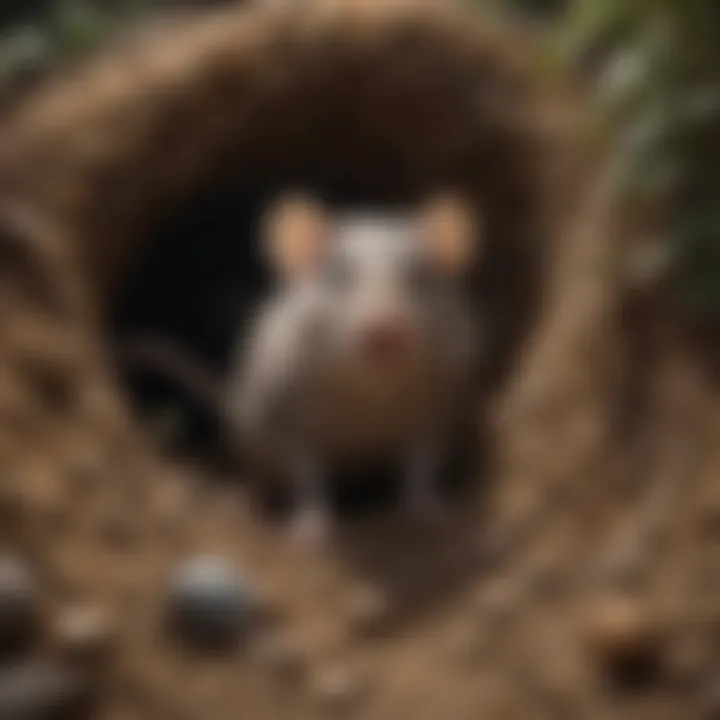
The presence of rat burrows in urban settings paints a vivid picture of the intricacies of city life and nature’s adaptive strategies. In cities, where human structures and wild habitats collide, rats find nooks and crannies to burrow and flourish. Understanding these burrows is crucial for homeowners and city dwellers, as their presence can have serious implications for public health and property integrity.
Rats aren’t just unsightly nuisances; their burrows can endanger the foundation of homes and buildings. These underground structures can weaken soil stability and lead to erosion, especially in older neighborhoods where burrowing has been longstanding. Moreover, the tangled web of burrows often serves as a haven for diseases, as these rodents carry pathogens that can spread to humans and pets. Ignoring the realities of rat burrows is a recipe for disaster.
Burrows in Public Spaces
In urban parks, gardens, and along sidewalks, burrows can create hidden hazards. Rats often prefer softer soil, making landscaped areas prime real estate for their activities. These burrows can undermine beautification efforts and potentially spoil public enjoyment of these shared spaces.
The sight and smell of burrows can deter people from using parks or walking paths. This is problematic for communities that rely on public spaces for recreation. Furthermore, rat wastes and potential infestations can scare families away from enjoying picnics or outdoor events. Awareness of burrows in these zones is key to keeping spaces clean and safe.
Key takeaways regarding burrows in public spaces include:
- Visibility of Burrows: Regular monitoring of public areas can help catch burrowing activity early.
- Educating the Public: Informing residents about how to identify signs of burrows can prompt quicker action before infestations grow.
- Community Action: Local initiatives can address burrowing problems collectively, highlighting potential solutions like proper waste disposal to deter rats.
Human-Wildlife Conflict: Managing Rat Populations
As more people flock to urban areas, the delicate balance between wildlife and human habitation becomes precarious. Every community must find ways to manage rat populations effectively. Strategies that aim to control these critters should ideally align with humane and ecological considerations rather than punitive measures.
The key is to understand why rats are drawn to urban settings. Poor waste management, food availability, and shelter opportunities due to urban landscaping attract these animals. Addressing the root causes can significantly reduce their populations.
Consider these management strategies:
- Waste Management: Properly sealing waste containers and encouraging residents to manage litter can dramatically decrease food sources for rats.
- Habitat Modification: Creating an environment less welcoming to rats—like trimming bushes or sealing entry points to buildings—can help.
- Coexistence: Implementing awareness campaigns can help turn nuisance perceptions into understanding. Knowing which species are harmless helps to minimize panic and urges to harm them.
"The more we learn about rats in urban contexts, the more we can protect our environments without resorting to lethal means. Balancing our ecosystems is a shared responsibility."
The aim should always be ecological balance. A proactive stance on managing rat burrows can lead to safer, cleaner urban environments. By engaging with the complexities of rat burrows, residents can better handle their urban ecosystems and reduce potential health risks.
Behavioral Patterns Related to Burrowing
Understanding the behavioral patterns associated with rat burrowing is central to grasping their impact in both natural ecosystems and urban settings. Rats are not merely occupied by a mindless instinct to dig; instead, their burrowing practices are a mix of survival strategy, social interaction, and resource management. Recognizing these behaviors can help homeowners and urban planners develop more effective and humane management strategies.
Foraging Behavior and Resource Management
Rats, being resourceful creatures, exhibit distinctly organized habits when it comes to foraging. Their burrows often serve dual purposes — as a shelter and as a staging ground for securing food. Rats usually trod predictable routes from their burrowing sites to sources of nourishment, which may include garbage, stored grains, or even gardens.
- Pathway Creation: The routes they traverse become well-worn paths. These pathways, often several inches deep, not only lead them to food but also display their methodical nature in resource gathering.
- Nutrient Storage: They often have specific chambers within their burrows to store food items, echoing a practice of planning for leaner times. They will stow away edible remnants and even cache seeds to ensure they have supplies for times when food is scarce or conditions outside are untoward.
- Adaptive Techniques: Interestingly, rats have shown the ability to adapt their foraging behavior. When food becomes scarce in a familiar territory, they may extend their range. This flexibility is a testament to their intelligence and resource management capabilities.
By observing the ways in which these creatures allocate their resources, homeowners may find themselves more prepared to tackle unwanted visits.
Communication and Social Structure
Within the labyrinth of tunnels that make up a typical rat burrow, a vibrant social world thrives. Communication is crucial among rat communities for establishing territory, locating food, and maintaining social bonds, which are all essential elements of their survival.
- Vocalizations and Sounds: Rats communicate through a range of vocalizations, from chirps to high-pitched squeaks, which convey messages about food sources or danger. These sounds resonate throughout their burrows, alerting fellow rats and informing them of the situation.
- Scent Marking: Scent plays an equally vital role. Rats utilize urine marking to establish their presence, helping inmates understand boundaries and the latent threats posed by outsiders. This olfactory communication is instrumental in claiming territory and avoiding conflicts.
- Hierarchical Structure: Social hierarchy can often dictate the strength of communication within groups. Dominant rats might lead while subordinates follow or partner up based on their standing. This structure means that a well-coordinated social environment can create a thriving colony, which can be quite sobering for homeowners trying to manage these populations.
Effective communication and social structures can significantly affect how many rats settle into an area, which in turn impacts urban management strategies.
In summary, a close examination of foraging behavior and social interaction highlights the intricate nature of rat burrowing activities. For house owners or individuals involved in urban planning, this understanding offers insights that might lead to more nuanced and effective strategies for dealing with the challenges presented by these prolific rodents.
Natural Predators and Their Role in Burrow Dynamics
Understanding the role of natural predators in the dynamics of rat burrows reveals many intricate relationships within ecosystems. Rats are often seen as pests, but they are also involved in a much larger web of life where predators help maintain balance. This balance is critical, particularly in urban areas where rats might proliferate due to a lack of natural threats. By examining how predators interact with rats and their burrows, we can gain insight into the broader ecological picture and explore potential management strategies.
Predatory Species That Target Rats
Different species in nature have adapted to hunt rats, each employing unique strategies that contribute to the control of their populations. Here are some of the predators known for targeting rats:
- Owls: Silent hunters of the night, owls often swoop down on rats that venture out of their burrows. Their exceptional hearing helps them locate scents and sounds of rats in the cover of darkness.
- Foxes: These cunning mammals tend to hunt in various environments. Their agility and hunting skills allow them to track and ambush rats efficiently.
- Hawks: Birds of prey such as red-tailed hawks can often be seen soaring above urban landscapes, scanning for movement. They strike with speed, snatching rats off the ground before the latter even know what hit them.
- Weasels: Small but fierce, weasels are relentless predators that can chase down their quarry through tight spaces, making them effective at hunting in and around burrow systems.
- Snakes: Many snake species are also adept at hunting rats. They can slip into burrows and corners that larger predators can’t reach, posing a significant threat to rat populations.
The presence of these predators can act like a natural check on the rat population, ensuring that their numbers do not explode, particularly in environments where waste and shelter are abundant.
Ecosystem Balance: Impact of Predation on Rat Populations
The interaction between rat populations and their predators plays a significant role in maintaining ecosystem balance. When predators are present, they can influence the behavior of rats, leading to:
- Reduced Burrowing Activity: When rats sense a predator in the vicinity, they may become more cautious and limit their activities, including burrowing and foraging. This behavior can lead to fewer, more spread-out burrows, which decreases the likelihood of overpopulation in a concentrated area.
- Dispersal of Rats: Predation pressures can encourage rats to move into new areas, which might help control their populations in certain localities and prevent the spread of disease associated with their waste.
- Healthier Rat Populations: Natural selection favors stronger and healthier individuals; thus, predation can lead to a more robust population of rats. Those that are able to elude predators may pass on their genes, resulting in a more resilient species overall.
It’s noteworthy that the absence of these natural predators can lead to unchecked rat growth, which can result in urban wildlife conflicts. As urban areas expand, the loss of these predators alters the dynamics of rat burrows and their interactions with the environment.


The intricate web of life inside and around rat burrows emphasizes that every species plays a part, directly or indirectly contributing to the natural balance of our ecosystems.
In summary, the connection between rat burrows and natural predators such as owls, foxes, and weasels illustrates a fascinating aspect of ecological interdependence. Understanding these relationships is key for those looking to manage or mitigate rat populations effectively.
Mitigation Strategies for Managing Burrows
Managing rat burrows requires a nuanced approach that marries an understanding of rat behavior with effective strategies to mitigate their impacts on urban life. The significance of implementing proper mitigation strategies can't be overstated, especially in residential areas where the presence of rats can lead to public health concerns. Here, we’ll delve into preventive measures coming from urban planning that can lead to a reduction in rat populations, plus humane control techniques that respect both the ecosystem and the common good.
Preventive Measures in Urban Planning
Urban planning plays a crucial role in shaping the habitat and, consequently, the behavior of rats. By carefully considering how cities are designed, planners and homeowners can create environments that deter rat activity. Here are a few fundamental measures:
- Waste Management Solutions: One of the most effective methods of preventing rats from taking up residence in urban areas is through proper waste management. Ensuring that trash bins are tightly sealed and that organic waste is disposed of in a timely manner can significantly reduce food sources for these rodents.
- Landscaping Strategically: Dense shrubbery and tall grass can provide cover for rats. Homeowners can avoid such landscaping choices and instead opt for lower-maintenance, open spaces that don't offer shelter.
- Sealing Entry Points: As diligent as rats are, they still find it challenging to enter spaces that are properly sealed. Homes and buildings should be inspected for cracks and openings, particularly around pipes and foundations. Sealing these can make it harder for rats to find their way in.
- Water Sources: Reducing standing water in yards and ensuring that all water sources are managed can make residential areas less appealing. Rats, needing hydration like any other creature, will seek out places where their needs can be easily met.
These strategies require a community approach, where all residents take responsibility for maintaining their own properties to create a domain less hospitable to rats.
Control Techniques: Humane and Environmental Considerations
Lethal methods of rat control often raise ethical questions, particularly among households keen on preserving the ecosystem. Thus, employing humane and environmentally sensitive methods is paramount. Here are some techniques that prioritize both effectiveness and ethics:
- Live Traps: Rather than killing the rats, live traps can capture them without harm. Once caught, they can be relocated several miles away from the capture site, ensuring they won’t return. Proper monitoring is necessary to ensure that captured rats are not left in traps for extended periods.
- Natural Deterrents: Using natural substances to repel rats is a burgeoning field. By applying strong-smelling substances like peppermint oil, homeowners can deter rats without inflicting harm. These methods not only address the rat population but also keep the surroundings environmentally friendly.
- Improved Monitoring and Observation: Keeping an eye on signs of rat activity, like droppings or burrow entrances, can lead to early intervention. Setting up surveillance and reporting issues can help address potential infestations before they spiral out of control.
- Education and Community Awareness: Sometimes, a lack of understanding creates opportunities for rat populations to thrive. By educating community members about best practices in trash disposal, yard maintenance, and the importance of reporting sightings, everyone can play a part in rat prevention.
By adopting preventative measures and humane control techniques, we not only stand a better chance of managing rat populations effectively but also demonstrate a commitment to responsible ecology and community wellbeing.
The methods covered here illustrate how thoughtful urban planning combined with humane strategies can lead to better outcomes for not just homeowners, but also the environment as a whole. Improved awareness and collaboration between residents will make a noticeable impact on the rat population challenges facing urban communities.
Case Studies on Rat Burrow Management
Effective management of rat burrows is increasingly significant, especially as urbanization intensifies. Understanding how different strategies have been implemented successfully can illuminate paths for households and communities facing similar challenges. In this section, we explore specific case studies highlighting practical applications and outcomes associated with rat burrow management, including successful oversight in residential areas and insights derived from urban wildlife programs.
Successful Oversight in Residential Areas
In many suburban developments, residents have found themselves grappling with the unexpected presence of rat burrows. Consider a neighborhood located next to a green belt. Initially, homeowners noticed an alarming uptick in rat sightings, prompting concerns about health and property damage. In response, the community banded together to implement a comprehensive approach to pest management.
This initiative started with the assessment of current burrow locations. Residents worked alongside pest control experts to map out the intricate networks rats had created. Key factors included:
- Identifying Entry Points: Many burrows were located near garden beds or wooden structures, allowing easy access for the rats.
- Assessing Environmental Conditions: The neighborhoods’ gardens provided ample food, making it a prime location for rats seeking nourishment.
With these factors in mind, the community engaged in a series of targeted actions, such as:
- Refurbishing gardens with less attractive, non-food plants.
- Installing barriers made from chicken wire or hardware cloth to inhibit access to buildings.
- Promoting community awareness about proper trash disposal practices.
Through these combined efforts, the rat population significantly declined. Homeowners reported fewer sightings, and the rat burrows were systematically reduced over several months. This case highlights the importance of teamwork and the proactive measures that can be taken when a community confronts an ecological issue head-on.
Lessons from Urban Wildlife Management Programs
Various cities have embraced innovative strategies through urban wildlife management, serving as benchmarks for broader pest control applications. One noteworthy program occurred in a densely populated metropolitan area known for its parks and inclusive green spaces. Rats thrived here due to both human oversight and the vibrant ecosystem that urban parks provided.
The municipal department responsible for urban wildlife launched an integrated management program that generated valuable insights:
- Public Engagement: The program featured community forums to educate residents on the importance of preventing conditions conducive to rat habitation. Education centered around maintaining clean parks and not feeding wildlife.
- Partnerships with Ecologists: Collaborating with wildlife biologists helped establish ecological balance. Their expertise guided interventions that enhanced the natural predator presence around parks.
- Monitoring and Data Collection: Adopting a data-driven approach enabled the team to track rat populations and burrow activity, adjusting strategies based on real-time data.
"Managing urban wildlife is not just about eradication but fostering coexistence through education and sustainable practices."
As the program developed, remarkable results emerged. Rat sightings decreased dramatically, while native species began to rebound. Increased biodiversity contributed positively to the urban ecosystem, showing the interconnectedness of neighborhood health and wildlife.
Through successful oversight in residential areas and lessons learned from urban wildlife management, practical insights emerge that resonate well with those faced with similar challenges. Such comprehensive approaches not only address the immediate issues of rat presence but also nurture a deeper understanding of our ecological balance.
Epilogue
Understanding rat burrows holds significant importance in both urban planning and ecological research. These structures are not merely homes for rodents but serve as a window into the adaptable nature of wildlife in human-dominated landscapes. As we navigate the complexities of urban living, recognizing the role of rat burrows offers insights into broader environmental dynamics.
The Future of Rat Burrows in Changing Environments
The landscape that forms around us constantly evolves. With urban expansion and climate change, rat burrowing behavior adapts as well. In densely populated regions, burrow density is likely to increase as rats exploit available niches. The interconnected systems they create can lead to changes in soil composition and even affect plant growth.
Moreover, as urban habitats become more fragmented, the rats might find new ways to connect their burrows across barriers. Such shifts may challenge existing management strategies. It's crucial for city planners to consider these developments in their designs. Implementing new designs in public spaces and understanding rat behavior are key to harmonious coexistence.
"Rats are remarkable survivors and their burrows are a testament to their adaptability in the face of changing environments."
Research Gaps and Areas for Further Study
There remains a treasure trove of untapped knowledge surrounding rat burrows. More focused studies are needed to understand the nuances of burrow ecology and the implications for biodiversity. Current research often overlooks the interconnectedness of rat burrows with pest management and urban wildlife. Uncovering these elements could lead to more effective control measures that respect both public health and ecological vitality.
Furthermore, examining how different species interact with their environments through burrowing can yield insights into the health of ecosystems. The role of small mammals in nutrient cycling, especially in urban settings, is another area that deserves attention.
In summary, bridging these research gaps could provide valuable frameworks for future studies. As we dive deeper into the world of rat burrows, it becomes evident that our understanding can contribute significantly to both ecological balance and harmonious urban living.