Independent Pest Control Services in Colorado Springs


Preventive Pest Control Strategies
Keeping your home free from pests doesn't just happen overnight. It requires a solid strategy that encompasses various aspects of your living space. Here are some effective preventive pest control strategies that homeowners in Colorado Springs can implement.
House Exterior Protection
An effective defense begins at the outer shell of your home. By creating barriers, you can significantly reduce the risk of pest infiltration.
- Tips for sealing cracks: Look closely at foundation, windows, and doors for small openings. A simple caulking job can keep out social nuisances like spiders and ants.
- Clearing debris: Piles of leaves or clutter around the house can serve as a welcome mat for pests. Regularly cleaning your yard can discourage pests from making it their home.
- Preventing pests from entering: Install door sweeps and screens on windows. Doing this creates an extra layer of protection that keeps flying and crawling insects where they belong—outside.
Yard Maintenance
Your yard is like a buffet for pests if not properly maintained. Attention to your landscape can mitigate those risks.
- Essential yard care routines: Regular mowing and trimming of shrubs signify that your space is well cared for. Insects often favor overgrown areas for nesting.
- Methods for keeping yard pest-free: Consider plants that help deter pests, such as marigolds and lavender. Their natural fragrances can keep unwelcome guests at bay while adding beauty to your garden.
Indoor Cleanliness
Maintaining a clean interior is just as crucial as your outdoor efforts. Pests often enter seeking food or shelter, so let’s diminish their appeal.
- Expert cleaning tips and techniques: Vacuum often and don't forget those overlooked spots under furniture and behind appliances where crumbs tend to accumulate.
- Maintaining a pest-resistant indoor environment: Store food in sealed containers and avoid leaving dirty dishes lying around, as these can attract pests.
Garbage Disposal
Proper garbage disposal is often underrated in pest prevention. Here's how to do it right:
- Efficient waste disposal methods: Use bins with tight-fitting lids and make sure to take the trash out regularly, especially in warm weather.
- Importance of proper garbage disposal: Build a habit of cleaning your bins to eliminate odors that might attract rodents and insects. This small step can make a monumental difference.
Other Pest Prevention Strategies
Sometimes it's the little adjustments that make the most impact.
- Utilize natural deterrents like citronella candles or essential oils that can disperse unpleasant smells for insects while providing a pleasant environment for you.
- Host plants like lavender, rosemary, or peppermint, known for their pest-repelling properties, can be incorporated into your garden and even your kitchen windows.
"An ounce of prevention is worth a pound of cure." This age-old saying rings especially true when it comes to pest control. Preventing problems before they start requires just a bit of foresight.
Identifying Pest Risk Areas
Identifying pest risk areas is integral in maintaining a pest-free environment. Every home has its vulnerable spots that invite unwelcome critters.
Moisture Prone Areas Inspection
Moisture is a magnet for pests, so keep an eye out. Start by investigating hidden areas like basements and behind appliances.
- Identifying damp conditions: Look for leaks or mold growth as these can serve as an all-you-can-eat buffet for pests.
- Tips for preventing infestations: Utilize dehumidifiers and ensure proper ventilation in moisture-heavy areas.
Crack and Crevice Inspection Guide
Checking for cracks might feel tedious, but it’s absolutely necessary.
- Importance of inspecting access points: Pay close attention to electrical and plumbing entries along your walls.
- Strategies for sealing cracks and crevices: Use foam sealant or caulk to minimize these entry points, sealing off any potential invasions.
Greenery Inspection for Pest Risks
Here the greenery acts as both a shield and a potential access point. Healthy plants are ideal, but they require attention.
- Understanding greenery's impact on pests: Dense foliage can shelter pests so keep branches trimmed away from the house.
- Guidelines to maintain pest-free yards: Regular weeding and keeping mulch from piling too high can deter pest attraction points.
Additional Pest Risk Areas
Pests can be crafty; they’ll find a way into your home if you're not careful. Be wary of:
- Attics, where rodents often set up shop.
- Crawl spaces, which can be a breeding ground for moisture-loving pests.
Effective Pest Control Methods
When prevention doesn’t fully work, various pest control methods might step in and lend a hand.
Natural Repellents for Pest Control
Many homeowners prefer safer, more natural approaches for pest control. It’s effective and kinder to the environment.


- Safe and effective natural solutions: Using vinegar, diatomaceous earth, or baking soda can offer decent pest relief.
- Use of essential oils, herbs, and plants: Citronella, eucalyptus, and peppermint oils all work wonders in keeping bugs at bay.
Chemical Sprays for Pest Control
In some cases, stronger measures may be needed. Here’s how to use them safely.
- Safe usage of professional sprays: Always follow the instructions and ensure your home is vacant for a safe duration after application.
- Eradicating pests with chemical solutions: For tougher infestations, licensed professionals may need to be involved to ensure the problem gets tackled effectively.
Pest Traps: Effective Pest Control Solutions
Traps can be useful aids in managing pest populations.
- Setting up and using pest traps: Bait traps with food that’s appealing to the specific pest you’re targeting for better results.
- Capturing and removing pests safely: For humane traps, ensure to check them frequently and let any captured pests loose far from your home.
Biological Control Methods for Pest Prevention
Nature has its own defenses.
- Using natural predators for pest management: Ladybugs, for example, are fantastic at controlling aphid populations in your garden.
- Environmental-friendly pest control techniques: By creating a balanced ecosystem in your garden, consider companion planting to diversify and protect crops.
Other Pest Control Methods
Don’t overlook unique methods that may provide additional relief from pests.
- Introducing nematodes in the soil can help control insect larvae effectively.
- Consider using a UV light trap for indoor environments to lure and capture bug intruders.
Closure
Creating a pest-free haven takes effort but is feasible when tailored strategies are implemented consistently. Nobody wants to share their home with pests, but with the right strategies and practices, you can enjoy your space without uninvited guests.
Understanding the Pest Control Landscape
Overview of Pest Control Methods
Pest control isn't a one-size-fits-all situation. Different methods exist to address various pest issues and environments. Understanding these can arm homeowners with the knowledge of what to expect and how to safeguard their homes effectively.
- Chemical Control: This is perhaps the most well-known method. Chemical pesticides are used to eliminate pests, but their potential impact on human health and the environment has raised eyebrows. It’s critical for service providers to choose the right products and apply them carefully. Knowing this method can be a double-edged sword can help you ask the right questions.
- Biological Control: This approach leverages nature's own pest enemies. For example, introducing ladybugs can be an effective way to manage aphid populations in gardens. This method respects the ecosystem while still controlling unwelcome guests.
- Cultural Control: Simple adjustments in practices can have profound effects. Rotating crops or adjusting watering schedules are basic steps that can go a long way in preventing infestations. An understanding of these tactics can help homeowners set their properties up for success.
- Mechanical Control: Sometimes, the ol' fashioned way is the best way. Physical barriers or traps can prevent pests from entering or eliminate them. Think of it as an armor for your home— sturdy and dependable.
Importance of Integrated Pest Management
Integrated Pest Management (IPM) emerges as a holistic approach to pest control, focusing not just on eliminating pests but managing them effectively over the long haul. This methodology bridges various strategies, ensuring a balance between effective pest management and environmental responsibility.
With IPM, homeowners don’t just react to pest problems; they adopt preventive measures that reduce pest populations before they become an issue. Consider this:
- Monitoring and Identification: Recognizing specific pests in your garden or home lays the groundwork for an effective response. Being proactive is key.
- Setting Action Thresholds: Not every pest sighting necessitates action. IPM encourages understanding at what point a pest becomes a problem worth addressing. This reduces unnecessary treatments.
- Diverse Tactics: By employing a mix of methods—chemical, biological, and cultural—pest pressures can be dialed back while reducing the overuse of chemicals that might harm beneficial species.
"Integrated Pest Management takes into account that every action has consequences, driving home the idea that solving one problem shouldn't create another."
In sum, understanding the pest control landscape equips homeowners with the tools to effectively tackle pest issues. By being informed about various methods and the advantages of integrated pest management, residents of Colorado Springs can ensure their homes remain pest-free while respecting the delicate balance of their environment.
The Role of Independent Pest Control Providers
When considering pest management in Colorado Springs, the role of independent pest control providers emerges as vital. These local experts offer specialized services that not only address pest invasions effectively but also align closely with community values and environmental considerations. Understanding this role can shine a light on why opting for independent services is often a more rational choice.
Defining Independence in Pest Control
What does it mean to be independent in the realm of pest control? Independent providers are typically locally owned and operated businesses. They are not affiliated with national chains, which often means they can tailor their services more closely to local needs. For homeowners, this translates into more personalized service. Independent technicians often have a better grasp of the local ecosystem, having worked extensively in the environment they service.
For example, while a national brand might rely on a one-size-fits-all approach, an independent provider can adapt strategies based on the specific pests prevalent in Colorado Springs. This attention to detail creates a more effective pest control solution.
Benefits of Choosing Local Services
Selecting an independent pest control service comes with numerous benefits that extend beyond just their local understanding:
- Personalized Attention: Local providers often pride themselves on building relationships with their clients. When you call, you’re likely to speak to the owner or a familiar face rather than an anonymous representative.
- Quick Response Times: Living in the community means they can respond faster in times of crisis. If pests are threatening your home, time is of the essence. An independent pest control business can usually get to your property more quickly than a national chain.
- Community Engagement: Independent businesses are more likely to engage with community initiatives, supporting local events or charities. This creates a sense of loyalty and trust.
- Tailored Solutions: Understanding local conditions allows independent providers to recommend treatments that are not only effective but also environmentally considerate.
Comparing Independent vs. National Brands
When faced with the choice between independent pest control providers and national brands, several factors set them apart:
- Cost: Independent services might have lower overhead costs, allowing them to offer competitive pricing. National brands, on the other hand, often come with franchise fees that can inflate costs.
- Flexibility: Independent providers can typically adapt their services more readily based on client feedback or changing local conditions. They aren’t bound by corporate policies as national brands are.
- Familiarity: Local companies often have a better idea about the specific pest threats in your area, such as the common appearance of certain insects during specific seasons.
"Choosing local not only supports your community but also ensures that your pest control strategy is tailored to your unique environmental challenges."


Common Pests in Colorado Springs
Understanding the various pests common in Colorado Springs is essential for homeowners looking to maintain a healthy living environment. Not only do these pests have the potential to disrupt daily life, they may also lead to costly property damage if left unchecked. Recognizing the specific challenges posed by different types of pests allows residents to make informed decisions about pest control, ensuring that their homes remain safe and free from unwelcome guests.
Identifying Garden Pests
Gardening in Colorado Springs is a cherished pastime for many. However, this pleasure can quickly turn to frustration when pests invade garden spaces. Thoughtfully recognizing these intruders is the first step toward protecting plants and enhancing their growth.
Here are a few common garden pests found in the area:
- Aphids: Tiny insects that feed on plant sap, leading to stunted growth.
- Spider Mites: These pests often leave a telltale web and can cause yellowing leaves.
- Colorado Potato Beetles: Known for their striped appearance, these pests can decimate crops quickly.
Understanding how to spot these pests early can save time, effort, and perhaps even the garden's harvest. Regularly inspecting plants for unusual discoloration or damage will aid in early detection.
Household Invaders
Homeowners should not underestimate the impact of pests that may invade their living spaces. These household invaders not only pose a nuisance but can also lead to health risks or structural concerns. Examples of common household pests include:
- Cockroaches: Often found in dark, moist areas, they can carry diseases.
- Ants: They may seem harmless, but ants can cause considerable damage by invading food supplies and even turf.
- Bed Bugs: Small, elusive bugs that feed on human blood and can be quite difficult to eliminate once they establish a presence.
Being vigilant and conducting regular checks around the home can help catch infestations early. It’s wise to seal cracks and crevices, keeping potential invaders at bay.
Wildlife Considerations
In Colorado Springs, wildlife encounters are not uncommon, and while they can be enchanting, they often come with challenges. From deer nibbling gardens to raccoons rummaging through trash, homeowners must consider coexistence strategies that prioritize both pest management and ecological balance.
When dealing with wildlife, consider these best practices:
- Secure Garbage: Use wildlife-proof bins to reduce attractants.
- Fence Gardens: Erect fences to deter deer and rabbits from feasting on delicate plants.
- Native Plants: Opt for landscaping with native plants that are less appealing to local wildlife.
By adopting responsible practices, homeowners can manage wildlife encounters while appreciating the beauty of nature around them.
Each type of pest, be it pesky garden insects or curious wildlife, requires tailored approaches to manage effectively. Homeowners in Colorado Springs can foster a pest-free environment by identifying pests early, keeping their homes secure, and respecting the natural surroundings.
Making an Informed Choice
Choosing a pest control service isn't just about swatting away pests; it’s a strategic decision that can save you time, money, and stress down the line. For homeowners and housewives alike, making an informed choice means navigating the muddy waters of various pest control options available in Colorado Springs. It’s essential to scrutinize every detail, from assessing the qualifications of service providers to understanding how reviews shape one's perception of their reliability. A well-informed decision ultimately leads to a more effective pest management strategy.
Evaluating Credentials and Experience
When searching for a pest control provider, start by checking their credentials. Look for licenses and certifications that indicate compliance with local regulations in Colorado Springs. A licensed pest control company shows that they meet industry standards and understand local laws.
Experience is equally vital. A company with a long track record of effectively dealing with various pest issues is often more reliable. It's not unusual to find businesses that have blossomed over the years, gaining valuable insights along the way that newer competitors may lack. Can they provide case studies or examples of past work? This information can boost your confidence in their capabilities.
Consider these steps when evaluating credentials and experience:
- Research their licenses: Confirm the validity by checking local regulatory bodies.
- Ask about training: Inquire about ongoing education and training for their staff. Effective pest control requires staying updated on new techniques and regulations.
- Look for professional affiliations: Membership in organizations like the National Pest Management Association signifies commitment to the industry and ongoing education.
Customer Reviews and Case Studies
In this digital age, customer reviews hold significant power. They act as the voice of your peers, offering insights into the kind of service you can expect. When drilling down into reviews on platforms like Reddit or through Google, seek out patterns rather than focusing on individual opinions. A flurry of positive excoriations or a series of complaints can give you a clearer picture of what to expect.
Some tips for navigating customer feedback:
- Look for detailed reviews: Vague feedback saying, "They were great," won't cut it. Look for specifics about the types of pests treated, responsiveness, and effectiveness.
- Pay attention to how the company responds: A company’s interaction with unhappy clients can speak volumes about their level of customer service. A prompt and professional response may indicate a commitment to client satisfaction.
- Study case studies: If the company offers case studies, delve into them. They can provide clarity on how successful the company has been in similar situations to yours.
"Customer feedback acts like a compass, guiding you through the myriad of options available."
Cost Considerations
Understanding costs is paramount but often tricky. The price for pest control services varies widely based on a multitude of factors such as types of pests, severity of infestation, and even your location within Colorado Springs. Therefore, clear and comprehensive quotes form a necessary part of decision-making. Here are some points to consider:
- Get multiple quotes: Don’t settle for the first price you see. Collect quotes from several providers to get an idea of the average cost.
- Assess what’s included: A cheaper price might exclude necessary follow-up treatments or more comprehensive solutions. Ensure you know what you are receiving.
- Discuss payment options: Some companies offer flexible payment plans which could ease the financial burden.
It might seem overwhelming, but a thorough understanding of how to make an informed choice in pest control ultimately leads to a more effective treatment plan.
Regulatory Framework in Colorado
Colorado’s regulatory framework plays a pivotal role in ensuring that pest control practices are both effective and safe for the community and our environment. Pest control isn't just about eliminating unwanted pests; it's also about maintaining a balance with nature. Understanding local regulations helps consumers select reputable service providers that comply with state standards and protects their properties while upholding ecological integrity.
Licensing and Certification
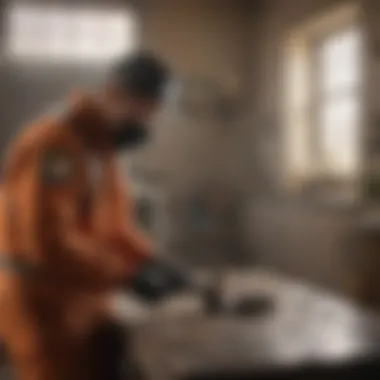

In Colorado, pest control professionals are required to secure proper licenses and certifications before they can operate. This necessity isn't merely bureaucratic; it ensures that these individuals have the requisite training and knowledge to implement safe and effective pest management techniques.
- State Licensing: The Colorado Department of Agriculture oversees the licensing of pest control operators. This means that any company wanting to provide pest control services in Colorado needs to pass certain criteria, such as competency testing and background checks.
- Specialty Certifications: Beyond general licenses, pest control entities often hold specialized certifications for managing specific pests. For example, companies that treat termites might have a different certification than those targeting wasps or rodents.
Prospective customers should always check for these credentials. A quick online search or a simple ask could save a homeowner from hiring a fly-by-night operator who doesn’t have the necessary qualifications. Verification ensures you’re getting a professional who knows their stuff.
Environmental Regulations
Another critical aspect of pest control regulations in Colorado involves environmental protections. As stewards of their environment, pest control providers must adhere to specific guidelines that govern the use of pesticides and other chemicals.
- Pesticide Management: Colorado law mandates that all pesticides must be registered with the state before they can be sold or distributed. This registry helps monitor the chemicals that are in circulation and ensures that they are safe for use.
- Chemical Usage Guidelines: Pest control operators are required to follow strict guidelines on how and when to apply chemicals. This helps minimize any risks to public health and local wildlife while ensuring that pest problems are handled effectively. For example, some areas may have restrictions on chemical applications during certain times of the year when wildlife is more active.
It's essential to be informed about what's used in your own backyard, as chemicals can seep into the water supply and affect pets and children.
In summary, understanding the regulatory landscape around pest control in Colorado is crucial for homeowners aiming for efficient yet environmentally sound pest management. Whether it's verifying licenses or being aware of chemical guidelines, being informed goes a long way in ensuring peace of mind.
Sustainable Pest Control Practices
In today’s world, where environmental consciousness is at the forefront of many discussions, sustainable pest control practices have become crucial for both residents and service providers in Colorado Springs. Understanding how these practices contribute to pest management can truly impact both the health of your home and the local ecosystem. The essence of sustainable pest control lies in integrating strategies that minimize environmental impact while effectively managing pest populations. This section explores the key elements that define sustainable practices, their benefits, and the considerations you may wish to keep in mind.
Ecological Considerations
When considering pest control methods, one must reflect on the ecological balance. Pest populations can often indicate larger issues within the environment. For example, an increase in aphid populations might signal undernourished plants or imbalanced soil. Taking time to evaluate these factors is essential.
Here are a few factors that highlight the importance of ecological considerations in pest management:
- Biodiversity: Promoting a diverse ecosystem can help control pests naturally. Beneficial insects like ladybugs feed on pests such as aphids. By fostering an environment that supports these insects, you enhance your garden's self-regulation.
- Soil Health: Healthy soil means healthy plants, which in turn are less prone to pest infestations. Regularly amending your soil with organic matter can bolster its health and increase its resilience.
- Natural Predators: Encouraging local wildlife can play a vital role in pest control. Nesting boxes for birds can invite feathered friends that feast on problematic insects.
In this way, understanding the ecology around your home fosters a more harmonious relationship with nature, reducing the need for harsher pest control measures.
Chemical Use and Alternatives
The discussion around chemical pest control often conjures images of harsh sprays and dangerous substances. However, sustainable practices advocate for a more thoughtful approach to chemical use. Many pesticides can lead to environment harm and health risks for residents and pets alike.
- Integrated Pest Management (IPM): IPM combines various strategies for pest control, including biological alternatives, soil health, and mechanical measures. This approach limits reliance on chemicals and prioritizes natural solutions.
- Natural Pesticides: There are many organic pesticide options available that use non-toxic ingredients. Examples include neem oil and diatomaceous earth, which provide an effective way to deal with pests while being kinder to the ecosystem.
"The goal of sustainable pest control is not simply to eliminate the pest but to enhance the overall health of the environment while minimizing unnecessary risks."
- Regular Monitoring: Keeping a close eye on your garden can help catch pest problems before they spiral out of control, allowing for targeted interventions without resorting to blanket chemical applications.
Future Trends in Pest Control
Pest control is evolving rapidly, reflecting shifts in technology, awareness, and consumer demand. In Colorado Springs, independent pest control services are starting to embrace these changes, adapting their strategies to be more effective and environmentally friendly. Understanding these future trends is essential for homeowners looking to select accomplice pest control methods that respect both their homes and the natural world around them.
Innovation in Pest Management Techniques
One of the significant trends reshaping pest control is the push towards more innovative management techniques. Rather than merely reacting to pest problems, independent providers are increasingly adopting proactive measures. Some examples include:
- Biological Controls: Utilizing natural predators, such as beneficial insects that can fend off harmful pests, helps reduce chemical reliance. For instance, introducing ladybugs can limit aphid populations in gardens.
- Cultural Practices: Adjusting planting schedules or using crop rotation are being exploited to disrupt pest life cycles, keeping infestations at bay.
- Physical Barriers: Simple methods like installing mesh screens or using traps are gaining traction, allowing homeowners to manage pests without relying solely on pesticides.
These innovations not only help in managing pest populations effectively but also encourage a balance within local ecosystems.
Technological Advancements
Technology also plays a crucial role in shaping the future of pest control. As independent pest management evolves, providers in Colorado Springs are utilizing various advanced tools and techniques that enhance their service delivery. Some noteworthy advancements include:
- Smart Monitoring Systems: These systems use sensors to detect pest activity, allowing pest control specialists to act before infestations escalate. Information is relayed in real-time, ensuring prompt action.
- Drones for Inspections: Drones equipped with cameras can survey property and monitor for pest activity in hard-to-reach areas. They provide a comprehensive picture while minimizing intrusion.
- Mobile Apps for Homeowners: Some pest control companies are developing applications that empower homeowners. These tools offer tips and tricks for pest prevention and enables easy communication with service providers.
Independent pest control providers that adopt these technologies not only outperform traditional methods but can also provide clients with tailored pest management solutions that fit their unique situations.
"Investing in innovative techniques and technology brings pest control into the modern age, aligning with green practices and client demands for efficacy without harm."
These trends highlight a significant shift in pest management philosophies, focusing on sustainable practices that benefit both the consumer and the environment. For housewives and homeowners in Colorado Springs, keeping an eye on these advancements can make all the difference when choosing the right pest control approach.
Customer Engagement and Satisfaction
In the realm of pest control, customer engagement and satisfaction stand at the forefront of ensuring successful service delivery. When clients feel connected to their pest control providers, they are more likely to trust their expertise, which can lead to effective pest management solutions. A positive relationship fosters communication and transparency, which is crucial in addressing any concerns that arise during the process.
Customer engagement in pest control services encompasses various elements. One of the most vital is communication. Clients must have a clear understanding of the services being offered, the methods used, and the expected outcomes. This not only eases their apprehension but also allows them to partake in the decision-making process. For instance, when a pest control expert explains the reasons behind certain techniques, clients can see the rationality and purpose, engendering a sense of partnership in tackling the pest issue.
"Communication is the glue that holds the client-provider relationship together. Without it, you risk losing customers to competitors who may better address their concerns."
Another important aspect is addressing aftercare and maintenance. Once a pest control treatment is complete, many customers assume the problem is solved. However, this isn’t always the case, and a thorough aftercare protocol signifies a dedicated provider. Clients should be informed about follow-up treatments and preventive measures to maintain a pest-free environment. This might involve check-ins, regular monitoring, or recommendations for ongoing maintenance. Such efforts demonstrate that the company is invested in the client's long-term satisfaction rather than simply completing a transaction.
Ultimately, the benefits of prioritizing customer engagement in the pest control sector include:
- Enhanced Trust: When clients feel they are part of the process, they are more likely to trust the judgment of their pest management provider.
- Increased Referrals: Happy customers are vocal advocates. They share their experiences, winning more business for independent providers.
- Greater Satisfaction: Clients who feel informed and involved often report higher levels of satisfaction with the services rendered.
Maintaining a proactive approach to customer engagement not only allows pest control companies to address issues more effectively but also solidifies their reputation within the community. As pest control providers aim for longevity in their business, integrating strong engagement practices must be a priority.