Strategies for Effective Red Ant Population Management
Preventive Pest Control Strategies
Managing red ant populations requires a proactive approach that encompasses various preventive strategies. These strategies form an essential foundation that can significantly minimize the presence of these pests, ensuring your home and yard remains a comfortable and safe space. Let's explore how to effectively keep red ants at bay, starting from the exterior of your house to the indoor environment.
House Exterior Protection
Your home’s exterior plays a pivotal role in guarding against red ants. Here are some practical tips that can fortify your defenses:
- Sealing Cracks: Start with a thorough inspection of your home's exterior for any cracks or crevices. These tiny openings can serve as gateways for ants. Use caulk or sealant to close them off effectively. Pay special attention to areas around windows, doors, and foundations.
- Clearing Debris: Ants thrive in clutter. Regularly clear away leaves, woodpiles, and trash that can provide nesting sites. Keeping your surroundings tidy can make it less inviting.
- Preventing Entry: Ensure that door and window screens are functional, with no rips or tears. Furthermore, installing door sweeps can deter ants from wandering indoors.
Yard Maintenance
A well-maintained yard is less alluring to red ants. Here’s how to keep your outdoor space pest-free:
- Essential Yard Care Routines: Regular mowing, trimming, and weeding can remove potential nesting sites. Maintain a healthy lawn by aerating and fertilizing as necessary.
- Methods for Keeping Yard Pest-Free: Create a barrier of gravel or stones around your home’s foundation. This can detour ants from traversing into your living space. Additionally, consider planting ant-repelling herbs, such as mint or basil, in your garden.
Indoor Cleanliness
Often, red ants enter homes in search of food. So, maintaining a clean indoor environment is crucial:
- Expert Cleaning Tips and Techniques: Regular vacuuming and sweeping can eliminate crumb trails that ants are attracted to. Wipe down countertops and dining areas with a mixture of vinegar and water, as this can disorient ants and erase pheromone trails.
- Maintaining a Pest-Resistant Indoor Environment: Store food in airtight containers and keep pet food sealed. This minimizes food sources that may entice ants.
Garbage Disposal
Proper garbage management is integral to preventing red ants:
- Efficient Waste Disposal Methods: Use trash cans with tight-fitting lids. Bag food waste securely before disposal to reduce odors that might lure ants.
- Importance of Proper Garbage Disposal: Dispose of garbage regularly; it’s a simple, yet effective way to discourage red ants from settling in.
Other Pest Prevention Strategies
Beyond the basics, consider these innovative ways to safeguard your home:
- Regular Pest Inspections: Schedule routine inspections with pest control professionals to assess risks before they escalate.
- Barrier Treatments: Applying a barrier treatment of insecticide around perimeters can deter ants from establishing a foothold. Ensure any products used are safe for your pets and family.
Remember: Prevention is always better than a cure. Getting a handle on these strategies now can save you significant headaches later.
By employing these preventive strategies, not only can you significantly reduce the chances of a red ant infestation, but you can also create a healthier environment for your family. It’s all about vigilance and maintaining the right habits, which can go a long way in ensuring a pest-free zone.
Preface to Red Ants
Understanding red ants is crucial for anyone dealing with their presence, particularly housewives and homeowners. These tiny but fierce creatures can turn a peaceful garden or a home into a battleground. Grasping the complexities of these insects, from their species to their ecological impact, helps equip individuals with the tools they need to manage their populations effectively.
Here’s why this section matters:
- Awareness of Identification: Knowing how to identify different species aids in understanding whether the ants are harmful or harmless. Some, like the fire ant, can pose health risks with their painful stings.
- Insight into Their Role: Comprehending the ecological role of red ants sheds light on their benefits and downsides. While they might munch on pests, they can also disrupt the local ecosystem in other ways.
- Locus of Habitats: Recognizing where red ants thrive is vital for putting preventive measures in place around your home and garden.
In this article, we’ll dissect these key elements, which serve as the foundation for effective management strategies. Identifying species, learning about the red ant's innate behaviors, and understanding their habitat preferences creates a holistic view of the issues at hand.
"Knowing your enemy is half the battle." This saying sums up why delving into the behaviors and habitats of red ants is essential for successful management. The more informed one is, the better decisions they can make to protect their living spaces from these determined pests.
Identification of Red Ant Species
To effectively manage red ants, first, you need to distinguish between the various species. Some common types include:
- Fire ants (Solenopsis species): Known for their painful sting, they are typically reddish in color.
- Carpenter ants (Camponotus species): These are larger and can damage wooden structures by nesting inside.
- Thief ants (Solonopsis molesta): Small and pale yellow, they often steal food and can go undetected.
Each species has distinct characteristics and behaviors; for instance, fire ants are aggressive and build mounds, while carpenter ants may be silent destroyers, leading homeowners to overlook them until substantial damage is done.
Ecological Role of Red Ants
Red ants play a dual role in the ecosystem. On one side, they act as predators to other pests, helping control their populations, and on the other, they can also become pests themselves.
- Benefits:
- Downsides:
- They aerate the soil, aiding plant growth.
- They control pest populations, which can be advantageous for gardens and crops.
- Some species, like fire ants, can cause bites that may lead to allergic reactions or secondary infections.
- Their aggressive nature can disrupt local wildlife, especially the nests of birds and other insects.
Understanding their ecological role helps homeowners appreciate both the advantages and disadvantages of red ants in their environment. This knowledge paves the way for more informed decision-making when it comes to management strategies.
Common Habitats of Red Ants
Where do these ants thrive? Red ants are not picky when it comes to their homes. Common habitats include:
- Lawns and Gardens: Especially in sandy soils that are well-drained, red ants find plenty of nutrients.
- Wooden Structures: Some species, like carpenter ants, favor rotting wood, making decks and foundations prime locations for infestation.
- Near Water Sources: Keep a lookout for mounds near gardens, in flowerbeds, or close to downspouts.

Awareness of these habitats is crucial for effective prevention. By strategically managing these areas, one can lessen the chance of red ants making an unwanted appearance in their home.
Understanding Red Ant Behavior
Understanding the behavior of red ants is crucial for anyone dealing with their presence in yards, gardens, or homes. This knowledge not only informs management strategies but also highlights the ecological significance of these insects. Recognizing behaviors such as nest formation, foraging patterns, and their defensive tactics equips homeowners with the insight needed for effective control and management.
Nest Formation and Structure
Red ant nests can be like little fortresses in your yard, built with organization and purpose. They generally create their homes in shaded areas, often constructing intricate tunnels and chambers below ground. This helps protect them from the heat and keeps their colony cool. The structure of a nest can vary greatly, influenced by species and environmental conditions.
- Types of Nests: Depending on the species, nests can be realized as mounds, cavities in wood, or even in leaf litter. Knowing the kind of nest you're dealing with can significantly impact your control strategy. For example, fire ants often create noticeable mounds, while carpenter ants prefer to hollow out wood.
- Colony Size: The number of ants within a nest can reach thousands. A sizeable colony might fend off certain control methods. Understanding colony sizes aids in gauging the potential effectiveness of intervention strategies, alongside heightening readiness to act.
Understanding the structure of red ant nests informs when and how to intervene, ensuring that strategies are targeted and minimize collateral damage.
Foraging Patterns
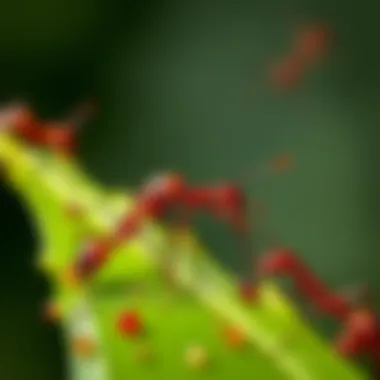
The foraging behavior of red ants is a fascinating dance of instinct and communication. These ants leave pheromone trails that guide others to food sources, creating a network that can quickly overwhelm your sugar bowl or trash can if left unchecked.
- Active Times: Red ants are typically most active during warm temperatures, making early mornings and late afternoons prime times for spotting them. If you're planning to monitor their activity, target these times.
- Food Preferences: Different red ant species have varied diets. While most are opportunistic scavengers, certain ones might prefer proteins or sugars. Knowing what lures them can help in setting traps or crafting preventive measures designed to deter them from areas you want to protect.
- Group Foraging: Red ants work cooperatively. If one ant finds food, it doesn't take long before a whole battalion converges on it. This cooperative behavior means that significant food sources can attract larger swarms, complicating efforts to manage the population.
Monitoring these foraging patterns can provide insights into when and where to apply control measures effectively, ultimately minimizing their impact on your household.
Aggressive Defense Mechanisms
When it comes to defense, red ants are far from timid. They have quite the reputation for being aggressive when they feel threatened, and their response can be rapid and formidable. Understanding these mechanisms can help you strategize your approach when managing them.
- Biting and Stinging: Many red ants possess powerful bites, while some species are known for painful stings. For instance, fire ants are infamous for their aggressive stinging behavior, which poses risks to pets and children alike. When managing populations, avoiding direct contact is crucial.
- Scent Communication: In the face of danger, red ants communicate through pheromones, calling for reinforcements. This behavior highlights the importance of speed and secrecy in any control strategy. The more time you give them to react, the greater the chance of encountering aggression.
- Collective Defense: Their instinct to protect the queen and brood means you may encounter them in swarms. If you notice aggressive behavior, it’s a reminder to tread carefully and plan ways to manage the nest at a safe distance.
By knowing these defense tactics, you can prepare more effectively, keeping safety front and center while developing your management strategies. Each insight into their behavior helps in crafting a more targeted response.
"Red ants are more than just nuisances; they're ecosystems in motion. By understanding how they operate, we empower ourselves to manage them responsibly."
Assessing the Impact of Red Ants
Understanding the impact of red ants is crucial. Infestations can escalate quietly, leading to unwelcoming situations in homes and gardens. Assessing their influence not only helps in formulating appropriate control strategies but also ensures a harmony with surrounding ecosystems. Recognizing these impacts would facilitate informed decisions about how to tackle red ant issues effectively.
Potential Risks to Human Health
While red ants might seem small, their potential threat to human health cannot be overlooked. Some species, like the notorious fire ant, are known to deliver painful stings that can result in allergic reactions. This becomes especially concerning for those with heightened sensitivities—an innocent stroll in the garden could turn into a painful experience.
In severe cases, red ant stings can lead to anaphylaxis, a dangerous reaction requiring immediate medical attention. It's also worth noting that these ants could be carriers of pathogens, potentially contaminating food sources if they come into contact with kitchen areas. Keeping these risks in mind underscores the importance of monitoring for such pests and taking proactive measures to manage their populations.
Damage to Infrastructure and Gardens
Red ants can wreak havoc beyond their sting. They are notorious for their nesting habits, often choosing locations that pose risks to infrastructure.
- Soil Erosion: Their extensive tunneling can destabilize soil, which may lead to erosion around foundations and other structures.
- Damage to Gardens: In gardens, red ants often protect and farm aphids, which can harm plants. This relationship can detrimentally affect crops.
- Structural Threats: If they decide to nest within walls or beneath pavements, they can create a void that could weaken these structures.
By assessing the locations where red ants choose to nest, house owners can identify potential problem areas and takeaction before they cause substantial damage.
Effects on Local Wildlife
The presence of red ant populations can disrupt local wildlife dynamics. Many animals and birds rely on specific insects as a food source. When red ants outcompete or deter these natural prey species, the balance of the entire ecosystem can be thrown into disarray.
- Predation on Beneficial Insects: Red ants often prey upon beetles and other beneficial insects, reducing their populations and impacting plant pollination.
- Habitat Alteration: Their nests can change habitat structures for smaller creatures. For instance, small mammals may avoid areas heavily populated by red ants due to the risk of stings.
- Invasive Competition: In regions where red ants are not native, their introduction may crowd out local ant species, which can disrupt the well-established ecological roles those native ants play.
Thus, evaluating and managing red ant populations not only protects human interests but also supports the health of local ecosystems. Understanding these various aspects prepares house owners to take informed actions, preserving both their living spaces and the environment around them.
Preventative Measures Against Red Ants
Managing red ant populations effectively starts with preventive measures. Homeowners often underestimate the importance of taking action before an infestation occurs. Tackling the situation before it escalates not only saves time and effort but also retains the environmental balance within your garden or residential area. Here, we’ll explore specific elements, benefits, and considerations that revolve around preventative methods against red ants.
Physical Barriers and Exclusion Techniques
Creating physical barriers is one of the most straightforward strategies to keep red ants at bay. The idea is simple but effective—by blocking their access points, you can drastically reduce their presence.
- Seal Cracks and Gaps: Inspect your home carefully. Cracks in the foundation or gaps around windows and doors can easily become entry points for red ants. Use caulk or weather stripping to seal these openings.
- Use Ant Moat: Consider installing an ant moat around your garden beds or potted plants. These are small, shallow dishes filled with water that create a barrier ants can't cross. Even just a little bit of water can make all the difference.
- Gravel or Sand Barriers: Creating a border of gravel or sand around your garden not only adds a decorative touch but can also act as a barrier. Ants are less likely to traverse over such surfaces compared to soft soil.
Engaging these physical barriers requires commitment but reaps significant benefits, as it greatly minimizes the need for chemical interventions in the long run.
Maintaining Yard Hygiene
Keeping your yard tidy is key to discouraging red ants. To them, clutter can appear as an invitation for colonization. Here are some steps to follow:
- Regular Lawn Maintenance: Mow the grass regularly and keep the lawn well-trimmed. Long grass provides cover for ants, so a neat lawn is not just visually appealing—it’s also practical.
- Remove Food Sources: Scraps of food, whether from picnics, hanging gardens, or pet bowls, entice ants. Keep outdoor eating areas clean and remove pet food once feeding is completed.
- Clear Debris: Fallen leaves, branches, and other organic debris create nesting sites. Regularly rake your yard and remove any plant matter that may attract ants.
Keeping priority on yard hygiene not only helps in controlling red ant populations but also promotes healthier plant growth and a more pleasant living environment.


Plant Selection and Landscaping Tips
Choosing the right plants can act as both a deterrence and an attraction for beneficial insects. Certain plants can naturally repel red ants, making your garden a strategic habitat.
- Native Plants: Opt for plants that are native to your area as these are better suited to your local ecosystem and minimize the likelihood of attracting unwanted pests.
- Repellent Plants: Some plants such as mint, lavender, and rosemary are known to repel ants. Integrating these into your landscape design can create a natural barrier.
- Spacing Considerations: Ensure that plants are spaced appropriately, avoiding crowding, which may create humid conditions that ants could favor. This not only benefits the plants but reduces potential habitats for ants.
By observing mindful plant selection and careful landscaping, you can sculpt an environment that is less welcoming to red ants, thus preemptively tackling any budding issues.
Chemical Control Methods
Chemical control methods play a significant role in managing red ant populations, especially when populations become too large or when other methods fail to deliver satisfactory results. These methods can provide quick and effective solutions, but their implementation requires careful consideration of various factors, such as environmental impacts, safety for pets and children, and integration with other management strategies. Understanding the types of insecticides available and how to apply them safely and effectively will help you navigate your red ant control efforts efficiently.
Types of Insecticides Available
When thinking about chemical options, numerous insecticides can be used against red ants. Here’s a rundown:
- Baits: These typically contain attractants combined with a slow-acting insecticide, making them a great option. The ants take the bait back to the nest, allowing the insecticide to eliminate the colony.
- Residual pesticides: These form a barrier that can kill ants upon contact. They remain active for a period, which means they can provide ongoing protection as ants encounter the treated areas.
- Liquid insecticides: Sprays are often used where the infestation is concentrated. They provide immediate results, but often don’t target the queen, which is vital for eradicating an entire colony.
Using the right type of insecticide often depends on the level of infestation and the specific conditions of your property. Always check the label for the recommended usage on red ants specifically.
Application Techniques for Effectiveness
Knowing how to apply these insecticides can often determine their success.
- Targeted application: Focus on areas where ants are active, such as nest entrances or along trails. This increases the chances of ants encountering the chemical.
- Timing: Apply insecticides in the late afternoon or early evening when ants are more active. This ensures maximum exposure to the bait.
- Follow the instructions: Different products have varying recommended amounts and application techniques. Adhering closely to these guidelines is crucial for achieving optimal results.
"Using chemical methods should always be part of an integrated plan, not the only weapon in your arsenal."
Safety Precautions When Using Pesticides
While chemical control can be effective, it is essential to prioritize safety for yourself and your family:
- Read the label: It’s the law and essential for your safety! Understand the active ingredients and any precautions.
- Protective gear: Use gloves and a mask when handling insecticides to avoid skin contact and inhalation.
- Keep pets and children away: Ensure that areas treated with pesticides are off-limits until the product has dried or settled as directed on the label.
- Store safely: Keep unused pesticides in a secure location away from children and pets, ideally in their original containers.
By following these guidelines, chemical approaches can become a reliable part of your red ant management strategy. Balancing effectiveness with safety and environmental considerations is the key to successful control.
Natural Remedies for Red Ant Control
Red ants can become quite a nuisance, especially when they invade your living space or garden. While chemical solutions are often touted for their effectiveness, many homeowners prefer to opt for more natural remedies that minimize chemical exposure for both their family and the environment. This section digs into various natural methods, focusing on their effectiveness, safety, and accessibility. By using these remedies, you can manage red ant populations in a manner that aligns with a more eco-friendly ethos.
Essential Oils and Their Uses
Essential oils are a popular choice for natural pest control, boasting not only pleasant fragrances but also potent repellent properties. Many oils—like peppermint, tea tree, and cinnamon—are particularly effective against red ants.
To utilize essential oils, simply create a spray solution. Mix 15-20 drops of your chosen essential oil with water in a spray bottle. Shake it up well and spray around areas where you’ve noticed ant activity. The strong scent disorients the ants, making it difficult for them to follow their pheromone trails.
A few oils to consider include:
- Peppermint Oil: Known for its strong scent, which is irritating to these pests.
- Cinnamon Oil: It acts as a powerful repellent and disrupts their pheromone communication.
- Clove Oil: This oil has both repelling properties and a strong aroma that can deter ants effectively.
"Using essential oils can create a harmonious balance between nature and home without the harmful side effects of pesticides."
Diatomaceous Earth as a Barrier
Diatomaceous earth is made up of tiny fossilized aquatic organisms that possess sharp edges. When ants come into contact with this powder, it damages their exoskeletons, causing dehydration and eventually death. It’s a humane way to control pests while being safe around children and pets.
To use this method:
- Choose Food-Grade Diatomaceous Earth: Ensure it’s suitable for home use.
- Locate Ant Trails: Identify where you’ve seen ant activity around your yard or home.
- Sprinkle the Powder: Apply a thin layer along known trails and around potential entry points. Avoid heavy mounds, as ants may avoid them completely.
- Reapply After Rain: This powder can wash away, so keep an eye out after rainstorms and reapply as necessary.
Boric Acid Solutions
Boric acid is another effective yet natural method to control red ant populations. It is a naturally occurring compound that can disrupt ant digestive systems when ingested. You can use it in combination with sugar to create a bait that lures ants in and helps eliminate them.
Here's how to prepare a boric acid solution:
- Ingredients Needed: Mix one part boric acid with three parts sugar and water until dissolved.
- Set Up Baits: Place the mixture in shallow dishes at various locations around your home, focusing on areas where you've seen ant activity.
- Monitor and Adjust: Check the baits regularly and ensure that they haven’t dried out. Replace as needed to keep the ants attracted.
While using boric acid, remember to keep it out of reach of pets and children, despite its natural origin. It is crucial to monitor its application closely.
By exploring these natural remedies, homeowners can introduce methods to cope with red ants that align with their values. Each approach has its own unique benefits, making it possible to choose what works best for your specific situation.
Monitoring Red Ant Activity
Monitoring the activity of red ants is crucial for effective management. Keeping an eye on their movements and behavior helps you understand the scale of the problem. It also enables you to take action before the infestation spirals out of control. Best practices in monitoring ensure you not only manage infestations but also protect your home and garden effectively.
Identifying Infestation Signs
To manage red ants, the first step is recognizing the signs of their presence. Look out for the following indicators:
- Ant Trails: One of the most apparent signs, these paths are often lined with ants moving back and forth.
- Nests: Red ant nests can appear as mounds, usually in sandy or soft soil. These formations can be spotted near gardens or pathways.
- Foraging: If you notice ants inside your home or garden, it's a strong sign they are scouting for food.
By being vigilant, you can catch an infestation early. Observing patterns in their movement is key to understanding their habits, which informs your control strategy.
"The early bird catches the worm. In this case, the early detection of ants can prevent a bigger problem."
Creating a Monitoring Schedule
Creating a monitoring schedule might seem mundane, but it is a game changer. Regular checks can help you stay ahead of an infestation and tailor your approach:
- Daily Checks: During peak seasons, like summer, check areas where ants often appear. This keeps you in the loop about any sudden movements.
- Weekly Reviews: For lesser activity times, a weekly review can suffice. Make it a part of your routine, perhaps while watering the garden or tidying up the yard.
- Document Findings: Keep a simple log of when and where you see ants. This will help you notice trends and plan your control methods accordingly.
Keeping a structured approach makes monitoring less of a chore and more of a tactical plan, ensuring that you are both proactive and prepared.
Utilizing Traps Effectively
Traps can be a crucial element in monitoring red ant activity while also aiding in control. Here’s how you can use them effectively:
- Choose the Right Trap: There are various traps available, from bait traps that attract ants with food to sticky traps for catching them.
- Position Strategically: Place traps along known ant pathways or near nests. This increases the likelihood of capturing ants.
- Regularly Check Traps: Inspect traps regularly for ant activity and freshness of bait. If a trap is full, it’s a good sign that your monitoring is on point.
By leveraging traps smartly, you not only monitor red ant activity but also tackle the problem head-on, ensuring that infestations are kept under control.
In summary, being proactive in monitoring red ant activity is essential. Identifying signs of infestation early, having a structured monitoring schedule, and utilizing traps effectively are all strategies that will serve you well in your quest for a red-ant-free environment.
Reassessing Control Strategies
Managing red ant populations requires a continuous and adaptive approach. It’s not just about implementing various techniques once and forgetting about them; it’s about reassessing your strategies regularly to ensure their ongoing effectiveness, adjusting plans to suit changing conditions, and continuously improving methods to keep these industrious insects at bay. This process of evaluation and adjustment can lead to more sustainable practices that balance ant control with the health of your yard and home environment.
The importance of reassessing control strategies cannot be overstated. Red ants are incredibly resilient creatures that adapt based on their surroundings. Inconsistent management may lead to their resurgence, nullifying past efforts and reigniting issues that seemed resolved. Being proactive in evaluation engenders not only a deeper understanding of your local ant populations but also the ability to tailor interventions specifically to your scenario.
Some specific elements to consider during the reassessment process include:
- Pest Population Monitoring: Keep an eye on how ant numbers ebb and flow. This insight lets you know if your methods are really working or if ants are creeping back.
- Behavioral Changes: Observe how the ant behavior changes in response to your interventions. Adaptability in methods speaks to their effectiveness.
- Environmental Factors: Changes in weather patterns, soil conditions, or plant health may affect ant activity and nests.
- Feedback on Interventions: Gather feedback on previously used strategies to identify what worked well and what did not.
In essence, regularly checking up on your methods ensures you are not just putting out fires, but also actively preventing them from sparking again.
Evaluating Effectiveness of Interventions
When it comes to evaluating the effectiveness of your interventions, specifics are key. After implementing any form of control—be it physical barriers or pest deterrents—allow some time to observe the outcomes. It’s not a ‘set it and forget it’ scenario. Define measurable goals at the start, such as:
- Reduction in Ant Sightings: Keep a log of how frequently you see ants in certain areas before and after intervention.
- Nesting Activity Levels: Check if there’s a decrease in nesting locations over time.
- Changes in Foraging Patterns: Noticing fewer busy trails can also be a good indicator of success.
After a predetermined period, run through your data and check how these metrics compare to expectations. If numbers aren’t shifting as anticipated, it’s time to go back to the drawing board.
Adjusting Techniques Based on Results
Adjusting your techniques based on your evaluation results brings the plan full circle. This is where flexibility becomes your best friend. If you find that certain products or methods aren't playing nicely with your specific red ant situation, it’s time to pivot.
Crucially, take the following considerations into account:
- Try New Methods: Perhaps your approach leaned too heavily on one technique. Explore different methods, be it applying alternative natural pesticides or even enhancing your yard’s soil health to deter ants.
- Refine Existing Techniques: Maybe the tactic was on the right path, but tweaking how or when it's employed could yield better results.
- Educate Yourself Continuously: Trends in pest management evolve. Keeping yourself informed about new studies or techniques can greatly enhance your strategy.
Ultimately, the goal is not just to manage red ants but to embody a responsive** practice that evolves over time. Remember, it's about getting to that sweet spot where effective management leads to a harmonious coexistence with the ecosystem in your yard.
Culmination and Future Directions
Effectively managing red ant populations is not solely about immediate fixes; it’s a blend of continuing efforts and adapting strategies for long-term results. As we traverse through various methods—from preventative steps like maintaining yard hygiene to employing chemical and natural remedies—it's vital to recognize that the journey to a red ant-free environment is ongoing. Each homeowner faces unique challenges, and the effectiveness of each strategy can vary greatly based on factors such as local climate, species of red ants involved, and the layout of the property.
Key Elements to Consider:
- Adaptability of Strategies: Just as red ants can modify their foraging patterns or nest building in response to environmental cues, homeowners must be willing to switch gears and update their approaches based on what proves effective in the ongoing battle.
- Community Involvement: Often, neighborhoods deal with similar infestations. Engaging with neighbors can amplify efforts—coordinating pest control initiatives or sharing successful techniques creates a synchronized approach towards red ant management.
- Environmental Awareness: It's crucial to strike a balance between our methods and the local ecosystem. Understanding the ecological role of red ants can lead to more informed decisions that don’t disrupt other beneficial species.
Summarizing Key Takeaways
In this article, we’ve delved into multiple facets of managing red ant populations. Here is a concise wrap-up of the core points:
- Identification: First and foremost, knowing which species you're dealing with enhances tailored strategies.
- Behavior Understanding: Grasping red ant behaviors, like nesting habits and foraging routes, gives insight into effective management techniques.
- Preventative Measures: Regular yard maintenance and barriers are key to keeping red ants at bay before they become a larger issue.
- Control Methods: Whether opting for chemical solutions or natural remedies, understanding your options is paramount.
- Monitoring: Keeping tabs on red ant activity will help in making timely interventions as needed.
- Reevaluation: Consistently reassessing strategies ensures that approaches remain effective, preserving the dynamics of your specific environment.
In summary, a vigilant yet adaptable management plan reduces red ant encounters while maintaining ecological balance.
The Importance of Ongoing Research
Scientific understanding of pest management continually evolves, making ongoing research a necessity for effective red ant control. Here’s why it matters:
- Innovation in Control Techniques: New methods and products are being researched that could prove more effective and environmentally friendly than those currently in use. Keeping abreast of these developments can provide better solutions for homeowners.
- Understanding Ecological Impact: Further research into the ecological roles of red ants helps refine our approaches and realities. This nuanced understanding could lead to strategies that manage red ants without causing collateral damage to local ecosystems.
- Community and Regional Studies: Research focused on local ant populations could help create region-specific advice that outperforms generalized practices. Tailored solutions are essential to effectively tackle varying conditions each area presents.
"The key to managing the red ant population lies in understanding their behaviors and adapting our strategies accordingly. Continuous study of their habits is crucial for effective control."
By prioritizing research and developing new insights, homeowners can feel more empowered to handle red ant populations proactively and sustainably. Ultimately, this continuous effort contributes to a healthier garden, home environment, and community at large.