Effective Methods for Safely Removing Opossums from Your Property
Preventive Pest Control Strategies
House Exterior Protection
When aiming to safeguard your property against opossums, focusing on the house exterior is crucial. Begin by meticulously inspecting and sealing any visible cracks or openings that could potentially serve as entry points for these wildlife intruders. Clearing debris such as woodpiles and overgrown vegetation around the house can also significantly reduce the chances of opossums finding a welcoming environment. Regularly inspecting and repairing damaged screens on windows and doors is another effective way to prevent pests from entering.
Yard Maintenance
Maintaining a well-kept yard is not only aesthetically pleasing but also plays a significant role in pest prevention. Implement essential yard care routines such as mowing the lawn regularly, removing fallen fruits, and trimming overhanging branches. Additionally, incorporating methods for keeping the yard pest-free, such as applying natural repellents and avoiding leaving pet food outside, can contribute to a pest-resistant outdoor environment.
Indoor Cleanliness
Ensuring indoor cleanliness is vital in deterring pests like opossums from entering your home. Expert cleaning tips and techniques, such as proper food storage in airtight containers, regular vacuuming, and eliminating clutter, can help maintain a pest-resistant indoor environment that is less appealing to wildlife intruders.
Garbage Disposal
Efficient waste disposal methods are key to preventing pests from being attracted to your property. Proper garbage disposal involves securely sealing trash bags, using airtight bins, and promptly removing garbage from indoor and outdoor spaces. Understanding the importance of proper garbage disposal not only mitigates pest issues but also fosters a cleaner and healthier living environment.
Other Pest Prevention Strategies
Innovative ways to safeguard your home against opossums and other pests include implementing preventive measures such as installing motion-activated lights, using ultrasonic repellent devices, and creating physical barriers like fencing or netting. These additional pest prevention strategies act as supplementary layers of protection to complement traditional pest control methods.
Understanding Opossum Behavior
Opossum Habits and Characteristics
Opossum Diet and Preferences
The dietary habits of opossums are integral to their survival. Opossums are opportunistic feeders, consuming a varied diet that includes fruits, insects, small animals, and even carrion. This omnivorous diet contributes to opossums' adaptability and ability to thrive in diverse environments. However, their preference for easily accessible food sources near human settlements often leads to conflicts with homeowners. Understanding what attracts opossums in terms of food can guide individuals in minimizing such attractants and deterring these creatures effectively.
Nocturnal Nature of Opossums
The nocturnal activity of opossums sets them apart from diurnal pests, making them more challenging to detect and control. Their preference for nighttime foraging and movement patterns impose unique considerations for opossum removal strategies. While their nocturnal nature may make them less visible, it also provides opportunities for utilizing repellents and traps designed to target creatures active during these hours. By addressing opossum behavior within the context of their nocturnal habits, homeowners can adopt targeted tactics to mitigate infestations.
Reproduction and Nesting Habits
Opossums' reproductive capabilities can fuel infestations if left unchecked. These marsupials have fast reproductive rates, with females producing large litters of joeys. Understanding their nesting behaviors and breeding seasons is essential for preventing population surges on your property. By grasping the cyclical patterns of opossum reproduction, homeowners can anticipate potential infestation periods and take proactive measures to deter breeding pairs from establishing themselves in and around the premises.
Reasons for Opossum Infestation
Attractive Features of Properties to Opossums
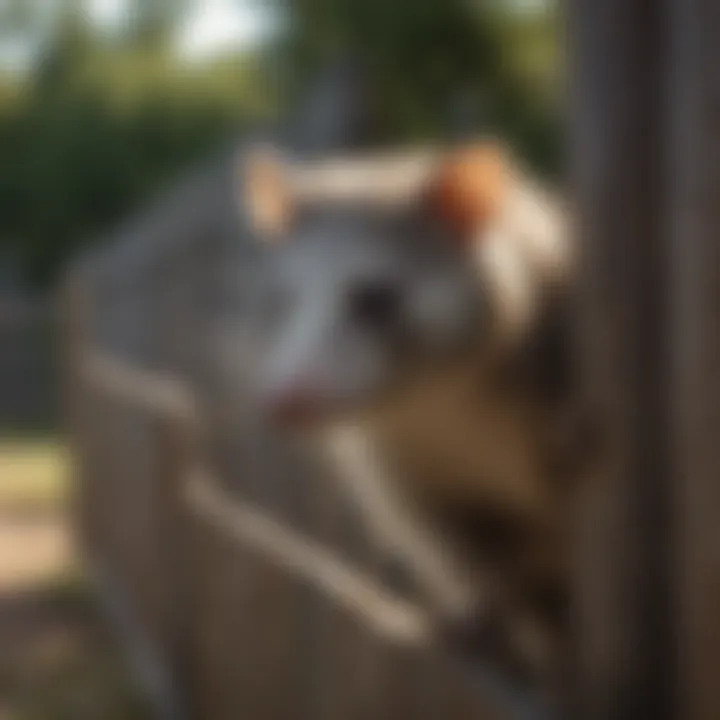
The features of residential properties that appeal to opossums often revolve around easy access to food, water, and shelter. Gardens with abundant vegetation, bird feeders, and unsecured trash bins are attractive to these opportunistic feeders. Identifying the specific elements that draw opossums to your property is crucial for developing targeted deterrent strategies. By mitigating these attractions, homeowners can reduce the likelihood of opossum infestations effectively.
Common Entry Points for Opossums
Opossums typically enter properties through openings in structures, gaps in fences, or under decks and porches. Understanding the common entry points opossums utilize facilitates the sealing off of these access routes, thereby preventing intrusion. By addressing these vulnerable areas with appropriate barriers or deterrents, homeowners can fortify their properties against opossum entry and safeguard their homes from infestations.
Impact of Food Sources on Opossum Presence
The availability of food sources significantly influences opossum presence in residential areas. Fallen fruits, pet food left outdoors, and accessible garbage attract opossums seeking easy meals. Recognizing the impact of these food sources allows homeowners to adopt sanitation practices that deter opossums. By ensuring proper food storage and waste management, individuals can reduce the appeal of their properties to foraging opossums and discourage unwanted visits.
Non-Lethal Opossum Deterrents
Natural Repellents and Traps
Use of Ammonia-soaked Rags:
The strategic utilization of Ammonia-soaked rags is an integral aspect of non-lethal opossum deterrents discussed in this article. Ammonia, known for its strong scent, acts as a powerful repellent for opossums, deterring them from invading your property. The key characteristic of using Ammonia-soaked rags lies in its ability to create an environment that opossums find inhospitable, thus prompting them to seek refuge elsewhere. While this method is popular for its effectiveness, it's essential to note that ammonia can be harmful if ingested or inhaled in large quantities.
Installation of Motion-activated Sprinkler Systems:
Another key element in non-lethal opossum deterrents is the installation of motion-activated sprinkler systems. These innovative systems are designed to detect movement, triggering a burst of water that startles and discourages opossums from lingering on your property. The main advantage of this method is its humane approach, as it relies on harmless stimuli to repel wildlife. However, it's important to consider the maintenance and occasional false triggers that may occur with motion-activated sprinkler systems.
Live Trapping and Release Methods:
Live trapping and release methods offer a humane way to capture and relocate opossums away from your premises. By using live traps, you can safely capture opossums without causing them harm and then release them back into their natural habitat. This method is favored for its compassionate approach to wildlife management, ensuring that opossums are given a chance to thrive without causing disturbances. While effective, it's essential to release opossums far enough from your property to prevent their return.
Home Remedies and Preventive Measures
Securing Trash Bins and Compost Areas:
Securing trash bins and compost areas is a fundamental aspect of opossum control on your property. By properly securing these resources, you eliminate easy access to food sources that attract opossums. The key characteristic of this preventive measure is its proactive approach in deterring opossums by removing the incentives for them to frequent your property. While beneficial, it's important to regularly inspect and reinforce your bins to ensure opossums cannot breach them.
Eliminating Food Sources like Fallen Fruits:
Eliminating food sources like fallen fruits plays a vital role in discouraging opossum activity on your property. Opossums are attracted to fruits that have fallen from trees, providing them with easy access to nourishment. By promptly removing fallen fruits, you disrupt this food supply and deter opossums from loitering in your yard. The unique feature of this method is its simplicity and effectiveness in reducing opossum presence without the need for complex interventions. However, consistent upkeep is essential to maintain its efficacy.
Maintaining a Clean and Tidy Yard:
Maintaining a clean and tidy yard is a practical strategy for minimizing opossum attraction to your property. A cluttered and untidy yard can offer hiding spots and shelter for opossums, encouraging their presence. By regularly tidying up your surroundings and removing debris, you create a less hospitable environment for opossums to inhabit. The main advantage of this preventive measure is its low-cost and straightforward nature, contributing to a harmonious coexistence with wildlife. However, diligence in yard maintenance is key to sustaining its effectiveness.
Professional Opossum Removal Services


Professional opossum removal services play a crucial role in effectively managing and eliminating opossum infestations on your property. These services provide specialized expertise and resources to ensure the safe and humane removal of opossums, protecting both your property and the wildlife. Professional opossum removal services offer a range of benefits and considerations that are essential for resolving opossum issues.
Benefits of Hiring Wildlife Control Experts
Safe Handling and Removal Practices
Safe handling and removal practices are a cornerstone of professional opossum removal services. Wildlife control experts are trained in safely capturing and relocating opossums without causing harm to the animals or endangering human health. Their expertise in handling opossums ensures a smooth and efficient removal process, reducing the risk of injury or transmission of diseases. The meticulous care taken during handling contributes to the overall success of opossum removal efforts, promoting a humane approach that aligns with ethical wildlife management standards.
Legal Compliance and Regulations
Adherence to legal compliance and regulations is a fundamental aspect of professional opossum removal services. Wildlife control experts are well-versed in local laws and regulations governing the removal of wildlife species like opossums. By following these guidelines, they ensure that the removal process is conducted ethically and within the boundaries of the law. This commitment to legal compliance not only guarantees a lawful removal process but also upholds the protection of wildlife and ecosystems.
Long-term Solutions and Follow-up Services
Long-term solutions and follow-up services provided by wildlife control experts offer lasting peace of mind for property owners. These professionals not only focus on immediate opossum removal but also implement strategies to prevent future infestations. By addressing underlying factors that attract opossums to properties, such as food sources and entry points, they create a sustainable solution that mitigates the risk of re-infestation. Additionally, their follow-up services include monitoring and maintenance measures to ensure the effectiveness of the removal process over time.
Factors to Consider When Choosing a Removal Service
Experience and Reputation of the Company
The experience and reputation of a removal service are critical considerations when selecting a provider. Established companies with a proven track record in wildlife control demonstrate their expertise and reliability in handling opossum infestations. A reputable company will have a history of successful removal projects and positive customer feedback, indicating their professionalism and effectiveness in opossum management. This experience instills confidence in their ability to deliver satisfactory results for your property.
Methods Used for Opossum Removal
The methods used for opossum removal vary among removal services, reflecting their approach and effectiveness in addressing opossum infestations. Companies employing humane and effective removal techniques, such as live trapping and relocation, prioritize the well-being of opossums while achieving the desired outcome of removal. Their methods should comply with ethical standards and aim to minimize stress and harm to the animals. Understanding the removal techniques employed by a service allows property owners to make an informed decision based on their preferred approach.
Cost and Warranty of Services
The cost and warranty of removal services are practical factors to consider when choosing a provider. While pricing may vary depending on the extent of the infestation and the services offered, it is essential to balance cost with the quality of service provided. Reputable removal services may offer warranties or guarantees for their removal work, ensuring that property owners receive effective solutions and recourse in case of unexpected issues. Evaluating the cost and warranty details helps property owners make a financially sound and risk-managed decision when engaging a removal service.
DIY Opossum Control Strategies
DIY Opossum Control Strategies are crucial components in effectively managing opossum infestations on your property. By taking proactive measures using DIY methods, you can deter and remove these nuisance wildlife without the need for professional intervention. This section explores various DIY strategies that homeowners can implement to safeguard their premises from opossum intrusions.
Building Opossum-proof Barriers
Installation of Fencing with Electric Wiring
The Installation of Fencing with Electric Wiring is a powerful deterrent against opossums and other wildlife. This method involves installing fences equipped with electric wiring to create a barrier that effectively restricts opossum access to your property. The key characteristic of this approach lies in its capability to deliver a mild electric shock upon contact, dissuading opossums from attempting to breach the perimeter. While this method is highly effective in deterring opossums, it requires careful installation and maintenance to ensure safety for both wildlife and humans.
Closing Off Entry Points with Hardware Cloth
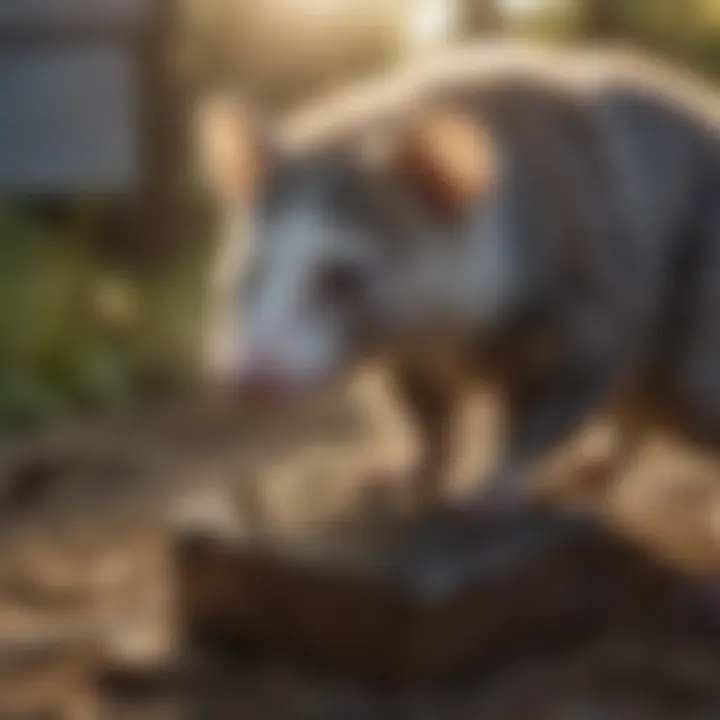
Closing Off Entry Points with Hardware Cloth is a fundamental step in fortifying your property against opossum intrusion. By sealing small openings and crevices using sturdy hardware cloth, you can prevent opossums from gaining entry into structures such as sheds, garages, and attics. The key characteristic of this approach lies in its durability and versatility, making it a popular choice for closing off potential entry points for wildlife. However, thorough inspection and precision are necessary to identify and seal all vulnerable areas effectively.
Sealing Cavities and Gaps in Structures
Sealing Cavities and Gaps in Structures is an essential practice to eliminate potential hiding spots for opossums. By inspecting and sealing cavities, gaps, and vents in buildings, you can effectively reduce the available shelter and nesting areas for these wildlife pests. The key characteristic of this method is its preventive nature, as it hinders opossum access to indoor spaces where they can cause damage and pose a threat. While sealing cavities and gaps is a beneficial strategy, regular maintenance and inspections are required to address any new openings that may emerge.
Implementing Sound and Light Repellents
Use of Ultrasonic Devices
The Use of Ultrasonic Devices is a non-invasive method to repel opossums through the emission of ultrasonic sound waves that are disruptive to their sensitive hearing. This approach capitalizes on opossums' aversion to high-frequency sounds, encouraging them to vacate the area to seek quieter surroundings. The key characteristic of ultrasonic devices is their unobtrusive operation and eco-friendly nature, making them a preferred choice for homeowners. However, the effectiveness of ultrasonic devices may vary based on environmental factors and opossum behavior patterns.
Installation of Bright Lighting
Installing Bright Lighting serves as a practical way to deter opossums by creating a well-lit environment that diminishes their nocturnal activities. Bright lights disrupt opossums' preferred dark and secluded habitats, reducing their inclination to frequent illuminated areas. The key characteristic of this method lies in its simplicity and cost-effectiveness, offering a low-maintenance solution for deterring opossums. While bright lighting can be an effective repellent, positioning and timing of lighting setups are key factors in optimizing its efficiency.
Playing Loud Noises or Music
Playing Loud Noises or Music can act as a temporary deterrent to opossums by creating a noisy environment that disrupts their sense of security. Loud noises and music unsettle opossums and prompt them to avoid loud areas in search of quieter locations. The key characteristic of this strategy is its versatility and ease of implementation, requiring minimal resources to create disturbance. However, the long-term effectiveness of loud noises or music as a repellent may diminish as opossums adapt to the auditory stimuli.
Environmental Impact of Opossum Removal
Eco-friendly Practices for Opossum Control
Choosing Sustainable Deterrent Options
In the realm of opossum control, opting for sustainable deterrent options is a crucial aspect. These methods focus on utilizing environmentally friendly solutions that do not harm other wildlife or disrupt the ecosystem. Sustainable deterrent options often involve natural repellents and barriers that deter opossums without causing harm to the environment. Choosing such methods not only helps in opossum removal but also promotes a sustainable and eco-conscious approach to wildlife management.
Minimizing Harm to Other Wildlife
Another significant consideration in opossum control is minimizing the harm to other wildlife species in the area. Using humane and targeted deterrent methods ensures that non-target species are not adversely affected during opossum removal processes. By minimizing harm to other wildlife, you contribute to the overall preservation of the ecosystem and maintain a delicate balance within the natural environment.
Responsible Disposal of Trapped Opossums
Responsible disposal of trapped opossums is a critical step in eco-friendly opossum control. This practice involves safely and humanely removing trapped opossums from the property and releasing them back into suitable habitats. Ethical disposal methods not only prevent unnecessary harm to opossums but also uphold ethical standards in wildlife management. By responsibly disposing of trapped opossums, you demonstrate a commitment to compassionate and sustainable opossum control practices.
Conservation Efforts and Habitat Protection
Promoting Natural Predators of Opossums
An effective strategy in opossum control is promoting the natural predators of opossums in the area. Encouraging the presence of natural predators such as owls, snakes, and foxes can help regulate opossum populations naturally. By supporting the ecosystem's natural balance through the promotion of natural predators, you reduce the reliance on artificial opossum control methods and promote a harmonious coexistence of wildlife species.
Preserving Opossum-Free Zones
Preserving opossum-free zones within your property or surrounding areas contributes to long-term opossum control and habitat protection. By creating designated opossum-free zones, you establish areas where opossums are less likely to inhabit, thereby safeguarding specific habitats from opossum intrusion. Preserving opossum-free zones not only protects sensitive ecosystems but also provides sanctuary for wildlife species that are adversely affected by opossum presence.
Supporting Wildlife Rehabilitation Centers
Supporting wildlife rehabilitation centers is a proactive measure in opossum control and conservation efforts. These centers play a crucial role in rescuing, rehabilitating, and releasing injured or displaced wildlife, including opossums. By supporting these centers through donations, volunteering, or awareness-building initiatives, you contribute to the welfare of opossums and other wildlife species in need. Supporting wildlife rehabilitation centers aligns with conservation ethics and furthers the cause of wildlife protection and preservation.