Effective Roach Killers: Choosing the Right Solution
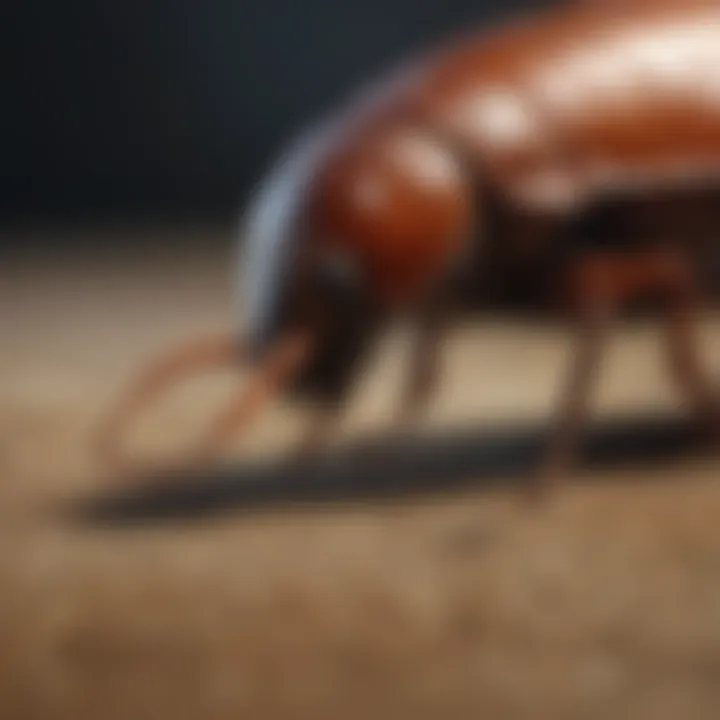
Intro
Roaches, those uninvited guests, can turn a cozy home into a battleground. As relentless as they are, knowing how to keep them at bay doesn't have to be a Herculean task. This segment will explore effective strategies to prevent these pests from setting up camp in your home, focusing on a proactive approach.
Preventive Pest Control Strategies
Grabbing control of your living space starts with preventive measures. Following some practical steps can keep your home from being an attractive spot for roaches and other pests.
House Exterior Protection
Your home is like a fortress, and securing its perimeter is vital to keeping pests out.
Tips for sealing cracks: Tiny gaps can be inviting doors for roaches. Use a high-quality caulk to seal openings around windows and doors. It’s a good idea to pay close attention to places where pipes and wiring enter your home, as these are common entry points.
Clearing debris: An eagerness to keep your yard tidy can make a massive difference. Overgrown bushes, piles of leaves, or leftover food can become perfect nesting areas. Regularly clear away debris and trim back vegetation.
Preventing pests from entering: Installing door sweeps on exterior doors and window screens can help keep them at bay while ensuring fresh air comes through.
Yard Maintenance
An inviting yard may lure pests close to home.
Essential yard care routines: Maintaining your yard isn’t just about looks; it’s about safety. Regularly mowing the lawn and clearing any standing water can minimize moisture and provide fewer places for roaches to hide.
Methods for keeping yard pest-free: Keep mulch and firewood away from walls to eliminate hiding spots. Also, strategically placing plants that naturally repel pests can work wonders.
Indoor Cleanliness
A clean environment is less appealing to roaches.
Expert cleaning tips and techniques: Regular sweeping, vacuuming, and mopping reduce crumbs and spills that attract pests. Keep countertops sanitized and ensure dishes are cleaned promptly.
Maintaining a pest-resistant indoor environment: Store food in airtight containers, and don’t forget to keep pet food properly sealed.
Garbage Disposal
Trash can also be a feast for pests.
Efficient waste disposal methods: Use bins with tight-fitting lids, and routinely dispose of trash to avoid build-up.
Importance of proper garbage disposal: Remember that decomposition emits smells that beckon roaches, so take out the garbage regularly.
Other Pest Prevention Strategies
Creativity can be key to securing your home. Consider utilizing natural deterrents, like placing bay leaves in cupboards or using cucumbers around stored food, both known for repelling roaches.
"A stitch in time saves nine. Taking small steps now can prevent a massive problem later."
Identifying Pest Risk Areas
Now that you've fortified your home, it’s time to pinpoint potential trouble spots.
Moisture Prone Areas Inspection
Moisture can be a death knell for your pest prevention strategy.
Identifying damp conditions: Areas under sinks, inside bathroom cabinets, or around your foundation can be magnetized for roaches. Regular checks are worth the effort.
Tips for preventing infestations: Repair any leaks promptly and consider using a dehumidifier in high-humidity areas.
Crack and Crevice Inspection Guide
This legwork can save you headaches down the line.
Importance of inspecting access points: Roaches are masters of camouflage, thriving in hidden spaces. Regular inspections around baseboards and furniture are crucial.
Strategies for sealing cracks and crevices: Use a silicone-based caulk to fill these spots, ensuring sustained pest control.
Greenery Inspection for Pest Risks
Plants can harbor pests just as much as they beautify our environment.
Understanding greenery's impact on pests: Keeping your shrubs and plants trimmed and well-maintained can create a pest-free zone.
Guidelines to maintain pest-free yards: Opt for pest-repelling plants like lavender or marigolds.
Additional Pest Risk Areas
Not all trouble spots are obvious.:
- Behind appliances
- Near electrical outlets
- Under furniture
Regular inspection of these areas can minimize surprise encounters.
Effective Pest Control Methods
If pests ever do become a problem, several effective control methods can be used.
Natural Repellents for Pest Control
Some natural solutions can keep roaches at bay.
Safe and effective natural solutions: Essential oils such as peppermint, tea tree oil, or cinnamon can ward off pests when diluted and sprayed in problem areas.
Use of essential oils, herbs, and plants: Consider incorporating herbs like basil or mint indoors—both are pleasant to the nose and despised by roaches.
Chemical Sprays for Pest Control
While natural options are wonderful, sometimes chemicals come into play.
Safe usage of professional sprays: Select a product with proven effectiveness, always following the manufacturer’s instructions, paying attention to areas where pets and children roam.
Eradicating pests with chemical solutions: Be sure to apply sprays in cracks and crevices commonly used by pests for maximum efficacy.
Pest Traps: Effective Pest Control Solutions
Sometimes, an old trick works best.
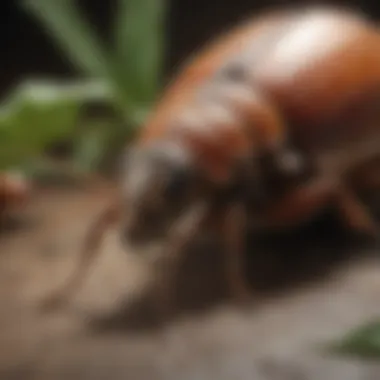
Setting up and using pest traps: Roach baits can be set in places where roaches have been spotted, increasing the likelihood of catching them.
Capturing and removing pests safely: Make sure to check traps regularly and dispose of caught roaches promptly to deter others.
Biological Control Methods for Pest Prevention
Engaging nature’s allies can be invaluable.
Using natural predators for pest management: Introduce beneficial insects, such as nematodes, that naturally hunt down roaches.
Environmental-friendly pest control techniques: This approach utilizes what’s naturally available, ensuring a greener home without harmful substances.
Other Pest Control Methods
Experimenting sometimes leads to the best results.
Innovative pest control methods beyond traditional options include:
- Traps that utilize light or sound
- Using diatomaceous earth, which is safe for humans but lethal to pests
- Implementing moisture-absorbing products to deter cockroaches
By maintaining a vigilant and well-prepared environment, homeowners can significantly reduce their chances of pest encounters. It’s about knowing the roots of the problem and addressing them effectively to keep your living space comfortable and pest-free.
Understanding the Roach Problem
When it comes to dealing with unwanted guests in our homes, roaches rank high on the list of pests that homeowners dread. Understanding the roach problem is not just about knowing how to kill them; it’s about comprehending their behaviors, habits, and the potential issues they may bring along.
The Importance of Rodent Control
Roaches are notorious for being scavengers. They can contaminate surfaces and food, carrying bacteria that might lead to serious health issues. Their presence often indicates underlying sanitation problems, making it vital to establish effective rodent control strategies. The longer one lets these pests thrive, the more complicated the eradication process becomes.
Keeping your home clean is only one piece of the puzzle. It’s equally important to identify the source of infestation and take proactive steps to eliminate it. After all, a thorough understanding of what invites these critters in can help keep them at bay.
Common Species of Roaches
Roaches vary in species, and each type has unique characteristics and behaviors. Knowing which ones you might be dealing with can greatly influence your approach toward pest control.
American Cockroach
The American cockroach is a large, reddish-brown insect often found in warmer climates. These roaches are not just a nuisance; they can thrive in trash and more unsanitary conditions, which makes them particularly resilient. A key characteristic of the American cockroach is its size, reaching up to two inches long. This can make them particularly alarming when seen scurrying across a kitchen floor. Their ability to fly, although rare, allows them to invade areas more easily. When developing control methods, it’s important to consider their habitat preferences, which are typically damp and dark places.
German Cockroach
On the smaller side, the German cockroach is the most common species in homes and restaurants. They are brown with two distinctive parallel stripes on their back. Their rapid reproduction rate is a major concern. A female can produce hundreds of offspring in her lifetime. This species often congregates in kitchens and bathrooms, where food and moisture are plentiful. They are adept at hiding in tight spaces, making them challenging to detect until infestations become significant. Understanding their breeding patterns is critical in selecting a suitable control method.
Oriental Cockroach
Often mistaken for the American cockroach, the Oriental cockroach is darker and more robust in appearance. They are commonly found in basements or sewers, favoring cooler, damp areas. Notably, they tend to have a slower reproduction cycle compared to other species, which could provide a slight advantage when tackling their population. A unique feature of the Oriental cockroach is its unpleasant odor, which can be a clear indicator of an infestation. They are less likely to invade higher floors but can still pose a problem in apartments and multi-story homes.
"Understanding the common species of roaches in your area can be half the battle in effective pest control. Knowing their habits and preferred habitats allows for a more targeted approach."
By identifying the specific type of roach plaguing your space, you can tailor your control approach effectively. From selecting the right chemicals or natural solutions to incorporating good sanitization practices, gaining a solid understanding of these pests forms the foundation of successful management strategies.
Overview of Roach Killers
When it comes to managing cockroach infestations, understanding the various options available for extermination is foundational. The realm of roach killers spans a wide spectrum, from aggressive chemical agents to the gentler touch of natural solutions. Knowing what these products are, how they work, and their pros and cons can mean the difference between a quick fix and a lingering pest problem.
Chemical vs. Natural Solutions
In this tug-of-war between chemical and natural solutions, each side has its champions. Chemical roach killers, often swift and lethal, use potent ingredients designed to kill pests quickly and effectively. These products, however, come with caveats. They can pose health risks to humans and pets, especially if improperly applied. For example, a common chemical called pyrethroid can affect the nervous systems of cockroaches but might also trigger respiratory issues in sensitive individuals.
On the flip side, natural solutions like boric acid and diatomaceous earth have gained traction due to their safety and eco-friendliness. They may take longer to work, as they often rely on a more gradual approach to eliminate roaches; however, they provide peace of mind, especially for households with children and pets. To sum it up, when choosing between these two families of solutions, consider factors such as the severity of the infestation, your household's unique needs, and the potential impact on your environment.
Mechanisms of Action in Roach Pesticides
Understanding how roach pesticides function allows for smarter applications and selection processes. Chemical pesticides usually operate by disrupting the normal functioning of roaches. For instance, neonicotinoids mimic nicotine, affecting the insects' nerves and leading to paralysis and death. Then, there are insect growth regulators, which target the life cycle of the roaches, preventing them from maturing or reproducing.
Natural products, while typically less dangerous, also possess mechanisms worth noting. Diatomaceous earth, for example, kills roaches by damaging their exoskeletons, leading to dehydration. This method may be slower, yet it can eradicate a variety of insects. Moreover, essential oils such as peppermint and tea tree oil are recognized for their insect-repelling properties, disrupting the olfactory senses of cockroaches, which expels them without causing immediate deaths.
In the grand scheme, the choice of roach killer hinges not only on effectiveness but also on safety, particularly in family environments.
Evaluating Chemical Roach Killers
In the battle against roaches, understanding chemical roach killers is paramount. These products play a significant role in pest control, offering both advantages and considerations that every homeowner should know. With the rise of infestations in urban areas, having effective tools at one's disposal often determines the success of eradication efforts. Choosing the right chemical can lead to rapid results, but improper use or the wrong choice can escalate the problem. Here, we dissect the fundamentals of chemical roach killers, laying bare their importance in pest management strategies.
Insecticides Overview
Insecticides are a cornerstone of chemical pest control. They are specifically designed to target various pests, including roaches. One of the most significant benefits of using insecticides is the speed at which they work. These substances can kill on contact or through ingestion, providing immediate relief to homeowners who are grappling with a roach crisis.
However, it’s essential to note that while some insecticides act very quickly, the residual effects vary. Some chemicals continue to offer protection long after application, while others require repeated applications to maintain efficacy. In addition, effectiveness can fluctuate depending on the roach species, highlighting the need for an informed approach to selection.
Active Ingredients and Their Efficacy
Understanding the active ingredients in roach killers is crucial for effective pest management. The efficacy of an insecticide relies heavily on its formulation. Below, we delve into three popular classes of active ingredients in roach killers: pyrethroids, neonicotinoids, and insect growth regulators.
Pyrethroids
Pyrethroids are synthetic counterparts to pyrethrins, which are derived from chrysanthemum flowers. They act quickly on the nervous system of insects, leading to paralysis and ultimately death. This class of chemicals is favored because of its broad-spectrum activity against various pests, including roaches.
One of the key characteristics that make pyrethroids appealing is their relatively low toxicity to humans and pets compared to older insecticides. This attribute allows homeowners to use them with a bit more peace of mind. However, caution is advised as some individuals may still react negatively.
Benefits of pyrethroids include:
- Fast knockdown of roaches.
- High effectiveness against various species.
On the flip side, a notable disadvantage is persistence. Many pyrethroids can break down quickly when exposed to sunlight, meaning their effectiveness can be short-lived. This requires careful planning for reapplication.
Neonicotinoids
Neonicotinoids represent a newer class of insecticides that target the nervous system of insects by disrupting neuronal communication. They are highly effective against various pests, including resistant roach populations. Homeowners often find this group particularly beneficial if traditional methods fail.
A standout feature of neonicotinoids is their ability to work both as a contact poison and a stomach poison, leading to a greater chance of exposure among roaches. They are also comparatively less harmful to beneficial insects when used correctly, making them an intriguing choice for integrated pest management (IPM).
Advantages include:
- Effectiveness against resistant roach populations.
- Long residual activity, often lasting weeks.
However, there is concern regarding their environmental impact. Neonicotinoids have faced heavy scrutiny for their potential effects on non-target species, including pollinators like bees. This makes their use a bit controversial.
Insect Growth Regulators
Insect growth regulators (IGRs) function quite differently from traditional insecticides; they don't kill roaches outright. Instead, they disrupt their development. By inhibiting growth and reproduction, IGRs contribute to a significant reduction in the roach population over time.


A key aspect of IGRs is that they are much safer for non-target organisms compared to conventional pesticides. They work by mimicking hormones in insects, affecting their growth cycle without immediate toxicity. This makes them a smart choice for long-term management strategies.
Benefits of IGRs include:
- Minimal impact on beneficial insects.
- Long-lasting effects in controlling future generations of roaches.
That said, they are often best used in conjunction with traditional insecticides for immediate knockdown. Waiting for IGRs to take effect can be frustrating for homeowners facing a severe infestation.
Exploring Natural Roach Killers
Natural solutions are becoming more popular as folks seek alternatives to harsh chemicals in pest control. This shift not only reflects a growing awareness of environmental concerns but also a desire for safer methods—especially in homes with children or pets. By exploring natural roach killers, readers can find effective options that do not compromise their health or the planet's well-being.
One major benefit of opting for natural solutions is their reduced toxicity. Chemical pesticides often contain ingredients that can be harmful, not only to roaches but also to humans and pets. For those hesitant about using such products, natural solutions provide peace of mind while still targeting infestations effectively. Furthermore, they often involve household items or simple ingredients that are easy to acquire.
Benefits of Using Natural Solutions
Using natural roach killers provides a host of benefits. First and foremost, these options are generally free of synthetic chemicals that can pose health risks. An eco-friendly approach is particularly appealing to anyone keen on maintaining an environment that is as safe as it is hygienic. Natural killers typically have fewer side effects too, ensuring a much gentler impact on one's household.
Moreover, many natural methods can be just as effective, if not more so, than their chemical counterparts. The natural ingredients might work differently, affecting roaches in ways chemical solutions don't. Importantly, avoiding harsh chemicals also means less environmental runoff, benefiting local ecosystems.
Common Natural Ingredients
Boric Acid
Boric Acid is a star player when it comes to natural insect control. This compound acts as an effective pesticide without carrying the risk common with many synthetic products. What sets it apart is its unique mechanism—when consumed by roaches, it disrupts their digestive system, ultimately leading to their demise. Besides its efficacy, Boric Acid is also readily available and quite affordable, making it a go-to choice for homeowners who prefer a natural alternative. However, while it offers a potent solution, excessive use can be harmful to pets and young children if ingested, so caution and proper placement are vital.
Diatomaceous Earth
Diatomaceous Earth, or DE, is another well-known natural ingredient. It consists of finely ground fossilized algae, a substance that roaches simply cannot withstand. When they come into contact with DE, its sharp particles damage their exoskeletons, leading to dehydration and death. DE stands out because it’s non-toxic to humans and pets, meaning it can be safely used in various areas of the home, even those frequented by family. A downside, though, is that it must remain dry to be effective—any moisture negates its benefits, which could be a limitation in humid climates or in areas prone to spills.
Essential Oils
Essential Oils are gaining a reputation for their pest-repelling properties, with oils like peppermint and tea tree being especially popular in natural roach control. These oils emit strong scents that roaches find unpleasant, resulting in them steering clear of the areas treated. Their appeal lies not only in their effectiveness but also in their pleasant fragrances, providing a dual purpose of pest control while leaving the home smelling fresh.
However, the efficacy of essential oils can vary significantly. Some may repel roaches well enough, while others might only deter them temporarily. Furthermore, for those who have sensitivities to odors, these oils could potentially pose issues. Overall, while essential oils can contribute to a natural pest management strategy, they may not provide the knockout punch that heavier-duty solutions like Boric Acid might offer.
"In the quest for efficient pest control, natural solutions often strike a perfect balance between effectiveness and safety."
In summary, exploring natural roach killers does not just represent an environmentally friendly option; it presents a potential pathway toward safer homes and effective pest control. With proper knowledge, homeowners can employ these methods to tackle their roach problems while keeping their living areas safe and comfortable.
DIY Roach Killer Recipes
Understanding how to craft your own roach killers not only empowers homeowners but also allows for a more tailored approach to pest control. Depending on individual preferences and the nature of infestations, these homemade mixtures can serve as effective alternatives to commercial products. Highlighting the significance of DIY solutions illuminates how practical and accessible these options can be for everyday folks. Creating your own remedies can save money and also help to avoid harsh chemicals that might be unsafe in family homes, particularly those with pets or small children.
Simple and Safe Home Mixtures
Creating homemade roach killers can be straightforward and safe. Two popular recipes stand out: soap and water and boric acid mixtures. Both methods have unique attributes that contribute to their effectiveness.
Soap and Water
Soap and water is a basic yet efficient concoction used to combat cockroach problems. This mixture has a couple of key characteristics that make it a go-to choice for many. Firstly, its availability is a major plus; just about everyone has dish soap lying around. Secondly, it’s gentle compared to more abrasive pest control solutions.
When mixed with water, soap creates a slippery surface, impeding the roaches' ability to breathe. This unique feature is especially beneficial because it targets both adult roaches and nymphs, making it suitable for varied infestations. Be cautious, though; while it’s generally safe, overuse in one location may cause residue buildup that could be murky or lead to unwanted odors.
Boric Acid Mixtures
Boric acid mixtures are another popular homemade solution known for their potency. This chemical has long been a favorite for its efficient pest elimination properties. The main aspect here is boric acid's ability to disrupt the roaches' nervous systems when ingested, leading to their demise.
Boric acid is a natural mineral, making it attractive for those aiming for a more eco-friendly strategy. One unique feature of this mixture is that it acts slowly, giving roaches time to take it back to their nests, potentially eliminating entire populations. However, it’s not without its downsides; it can be harmful to pets if ingested in large quantities. Thus, care should be taken to place it in secure locations where curious noses cannot reach.
Efficacy of Homemade Solutions
The effectiveness of homemade solutions like soap and water or boric acid mixtures largely depends on their application method as well as the severity of the infestation. Simple mixtures may require repeated applications, while potent boric acid may need a more selective placement to ensure roaches come into contact with it.
Home remedies generally work best for light to moderate infestations, while challenging cases might still need the assistance of professional-grade insecticides or pest control services. Ultimately, the choice of using DIY recipes should reflect an individual's comfort with handling potential risks, desired outcomes, and environmental considerations.
Many homeowners find that a combination of both homemade and store-bought solutions delivers the best results, especially when tackling ongoing roach issues.
Application Methods
In the quest to eradicate roaches, understanding the application methods is pivotal. A well-structured approach to applying various roach killers can profoundly impact their effectiveness. Choosing the right method not only maximizes the efficiency of the products used but also considers the safety of household members and pets. The primary methods of application–sprays, baits, traps, and innovative delivery systems–each have their distinct advantages and considerations.
Sprays, Baits, and Traps
Using sprays, baits, and traps together forms a comprehensive strategy in managing cockroach infestations. Sprays can quickly knock down visible roaches, providing immediate results, while baits lure roaches into a slow-acting poison that they carry back to their nests, effectively targeting the population at its source. Traps, on the other hand, offer a non-toxic approach that can be used to monitor and assess the roach problem; however, they often do not eliminate the entire infestation.
The real beauty of combining these methods lies in their collaborative power. Sprays can immobilize roaches, allowing baits to work more effectively, while traps serve as a backup to catch any stragglers. Furthermore, employing multiple methods helps to ensure that residual populations do not recover quickly, providing long-term control.
Another significant benefit is that this integrated approach allows for precise targeting. For example, if a particular area is identified as a hot spot, applying a spray there can provide immediate control while baits can be placed around the household to catch roaches that might wander into less treated areas. This versatility makes the method invaluable in diverse environments, whether it be a bustling kitchen or a more secluded basement.
Innovative Delivery Systems
Gel Baits
Gel baits are gaining traction for their unique application style and effectiveness. Instead of being a quick fix, gel baits have a delayed action, allowing roaches to consume the bait and return to their colonies, where they spread the toxin to others. This slow-kill aspect often leads to more effective population control.
One key characteristic of gel baits is their ease of use. Typically packaged in small syringes, they can be applied precisely in cracks, crevices, and other roach hotspots without spilling or making a mess. This targeted application minimizes exposure to other household creatures, which makes it a popular choice among homeowners. The gel formulation adheres well to surfaces, making it hard for cockroaches to avoid and enhancing its effectiveness. However, it does require some monitoring to ensure that new bait is applied as it diminishes in effectiveness over time.
Foggers
Foggers, also known as bug bombs, create a fine mist of insecticide that fills an entire area, reaching nooks and crannies where roaches might hide. Their convenience is attractive as they eliminate the need for meticulous application. Just set the fogger and leave the area, returning after a period indicated on the product instructions.
Yet, caution is needed with foggers. While they can cover large areas, it's crucial to vacate the space entirely, as the chemicals used can be hazardous to both humans and pets. Moreover, foggers may not penetrate deep into the roach habitat like baits can, so they are most effective when used in conjunction with other methods rather than as a standalone solution. Another factor to consider is the cost: foggers generally cover a larger area but might require multiple applications based on infestation severity.
Overall, whether you are using sprays, baits, or traps, understanding application methods ensures that you equip your home with the most potent roach killers available. Combining various techniques tailored to the specific situation can make a significant difference in the battle against these unwelcome invaders.
Safety Considerations
In the quest to eliminate roaches from your home, safety should be at the top of your priority list. Many products boast impressive results against these unwelcome guests, but the nature of their composition can introduce risks—especially when it comes to health and the overall environment. Understanding the balance between effective pest control and safety is crucial to making informed decisions that protect not only your family but also preserve the surroundings in which you live.
Health Risks of Chemical Exposures
Chemical pesticides, while potent in their action against roaches, come with their own set of concerns. Their ingredients may carry risks of exposure that affect both humans and pets. Potential short-term effects could manifest as respiratory issues or skin irritations, particularly for individuals with allergies or other sensitivities. Prolonged exposure might lead to more serious complications, such as chronic respiratory conditions, neurological impacts or even reproductive issues.
Here are some common examples of health risks associated with chemical roach killers:
- Respiratory Distress: Many people experience coughing, wheezing, or shortness of breath after exposure, especially if they are sensitive to airborne irritants.
- Skin Reactions: Direct contact with some pesticides can lead to rashes or other dermatological problems.
- Long-term Health Concerns: Research shows that some active ingredients could be linked to hormone disruption or carcinogenic effects.
It’s vital to proceed with caution when using these products. Always keep in mind the vulnerability of children, pets, or anyone with existing health conditions in your household.


Safe Usage and Manufacturer Guidelines
To effectively navigate the world of pest control without sacrificing safety, adhering to the manufacturer's guidelines is paramount. They often include specific instructions regarding dosage, application methods, and necessary precautions that need to be followed. Ignoring these instructions can not only undermine the efficacy of the product but could also place you at risk of adverse health effects.
Here’s a handy checklist for safe usage:
- Read Labels Thoroughly: Before using any product, understand its specific requirements and limits.
- Wear Protective Gear: Gloves, masks, and goggles can shield you from unavoidable exposure.
- Apply in Well-Ventilated Areas: This ensures harmful fumes dissipate rather than linger in your home.
- Keep Away from Pets and Children: This one’s a no-brainer. Create a "no-go zone" around treated areas until its safety is established.
- Follow Disposal Instructions Carefully: Improper disposal can result in health hazards and environmental dangers.
By adhering to these guidelines, homeowners can optimize the effectiveness of their pest control efforts while minimizing any potential health risks.
*"Effective pest control is all about balance—finding the right method that works while keeping safety in the forefront."
Staying educated on safety considerations allows for a pest-free environment without compromising the wellbeing of your loved ones and the planet.
Environmental Impact
When tackling a roach infestation, it is crucial to consider the environmental impact of the chosen control methods. This aspect is not merely an adjunct; it’s a central theme that weighs heavily on the decision-making process for homeowners. Whether one opts for chemical or natural solutions, the repercussions extend beyond mere pest elimination, influencing ecosystems and public health. A conscientious approach not only targets the pest at hand but also safeguards the surroundings we inhabit.
A few pivotal factors shape our understanding of this impact. Firstly, the selection of pesticides plays a significant role. Many chemical options can lead to runoff, contaminating nearby water systems and affecting non-target organisms. As water carries these hazardous substances, aquatic life suffers, disrupting the delicate balance of freshwater ecosystems. On the flip side, natural alternatives often boast biodegradable properties, thereby presenting a lesser threat to the environment. However, these too should be used judiciously, as some even natural ingredients can have unforeseen consequences.
It’s also vital to recognize that the impact doesn’t end with the kill. Ecosystem health is interconnected, meaning the use of harsh chemicals can lead to a decline in natural predators of roaches, resulting in a vicious cycle of infestation. In this light, understanding their effects can encourage a more thoughtful approach, striking a balance between effective pest control and ecological responsibility.
"We must choose our methods wisely, as nature often pays a price for our convenience."
By exploring both chemical and natural solutions, the discourse shifts from mere pest extermination to cultivating a broader understanding of our responsibilities as stewards of the environment. Thus, any decision taken in combating roach populations must weigh both immediate and long-term consequences.
Chemical Runoff and Ecosystem Effects
The pitfalls of using chemical pesticides often begin with runoff, the process whereby rainwater washes away these toxins into rivers, lakes, and streams. This not only endangers wildlife but can also penetrate drinking water supplies, raising significant health concerns for communities. For instance, substances like chlorpyrifos, commonly found in synthetic insecticides, have been implicated in neurological harm to aquatic organisms and can accumulate in fish, hence ths posing potential health risks for humans consuming them.
To understand the indirect effects, consider how these chemicals can disrupt the food chain. The elimination of pests is essential; however, if the chemicals kill beneficial insects too—like bees or ladybugs—the repercussions can be dire.
- Health risks to humans: Prolonged exposure to contaminated water can lead to serious health issues including respiratory problems and, in more severe cases, neurological disorders.
- Impact on wildlife: Fertilizers and herbicides can impact the reproductive rates of various species, leading to population declines.
In this context, the need for a more measured approach becomes apparent. Homeowners should inquire about potential adverse effects when selecting their pest control methods, ensuring minimal environmental disruption while achieving effective results.
Evaluating Natural Alternatives
Turning to natural alternatives for roach control presents a host of benefits that align more closely with environmentally sound practices. These methods leverage ingredients that, rather than wreaking havoc on ecosystems, tend to promote a healthier home environment. Not only are they often biodegradable, but they can also effectively disrupt the lifecycle of roaches without leaving a trail of toxicity behind.
For example, essential oils like peppermint or tea tree oil have shown to deter pests effectively and can double as pleasant fragrances in the home. Moreover, diatomaceous earth, composed of crushed marine organisms, safely disrupts the physical structure of insect exoskeletons, leading to dehydration and death, all without risking the health of humans and pets.
- Pros of Natural Solutions:
- Generally safer for humans and pets
- Less harmful to beneficial insects
- Disposed of traditionally with waste without concern for contamination
However, natural products aren’t without their challenges. Their efficacy can sometimes lag behind that of harsh chemicals; thus, it's essential for homeowners to employ these with the understanding they may require several applications or complementary methods for effective control.
Professional Pest Control Options
When it comes to handling a roach infestation, sometimes do-it-yourself solutions just don’t cut it. Despite the many popular products available on the market, there are scenarios where the expertise of a professional pest control service becomes the golden ticket. Professional pest control options provide not just immediate relief but also a strategic long-term approach to roach management.
The essential first element is the depth of knowledge these experts bring to the table. They thoroughly understand different cockroach species, their habits, and the most effective ways to combat them. This goes beyond simply spraying an insecticide; it involves targeted strategies tailored to the specific infestation at hand. Not every home is the same, and neither are the unique challenges posed by roaches.
When to Seek Professional Help
While DIY methods can be effective in many cases, there are telltale signs that indicate it's time to bring in the professionals. If you’ve tried various methods without success, you're likely fighting a losing battle. Remember:
- Frequent sightings: If you're seeing multiple cockroaches, especially during the daytime, it indicates a severe infestation.
- High Traffic Areas: If you have noticed them in areas like the kitchen or bathroom, that could present significant health risks.
- Egg Cases: Spotting egg casings often means that there are many more roaches nearby.
At this point, professional exterminators can employ more powerful treatments that are not readily available to the average consumer, allowing them to penetrate deeper into roach habitats.
Cost Implications and Packages
The costs associated with hiring a pest control service can vary drastically based on several factors. Initial consultations might be relatively low cost or even free, with inspections leading to a thorough plan.
- Package Options: Providers often offer packages that include multiple treatments, which can be more economical in the long run. Packages may range from basic treatments to comprehensive, ongoing management services.
- Frequency of Treatments: Some infestations require regular site visits, while others may only need a single session. This will also affect the final price.
- Effectiveness Guarantees: Many companies also provide a guarantee for their services, which can reduce worry on your part about efficacy.
Although enlisting professionals may seem steep at first glance, the potential health implications of a violent cockroach invasion should not be overlooked. Investing in a pest control service leads not only to peace of mind but allows you to reclaim your living space.
"Investing in professional pest control is more than a treatment—it's a step towards a healthier home environment."
By keeping these points in mind, you can make informed decisions about whether or not to enlist professional pest control services. Sometimes laying down the law to those pesky critters means bringing in the big guns.
Long-Term Roach Prevention Strategies
Understanding how to keep roaches at bay is as important as dealing with them when they show up. Long-term roach prevention strategies not only help avoid future infestations but also create a healthier living environment. It’s not just a task; it’s maintaining a lifestyle that keeps unwelcome guests at bay. This is like having a good defense strategy in play.
Hygiene and Sanitation Practices
One of the bedrocks of effective roach prevention is maintaining clean living spaces. Roaches are attracted to food, grease, and moisture, so housewifves and homeowners can really nip the problem in the bud by keeping things tidy. Here are some key practices:
- Regular Cleaning: Dusting and vacuuming frequently can help minimize crumbs and buildup that attract these pests. Don't forget to get under appliances where food particles like to hide.
- Food Storage: Store food in airtight containers; this stops roaches from munching on your snacks. Loose flour or sugar in bags is a buffet for critters.
- Dishwashing: Wash dishes promptly instead of letting them pile up. Roaches enjoy the food remnants left on plates.
- Trash Management: Use bins with tight-fitting lids and take out the trash regularly. It’s like closing the door on a party that roaches want to crash.
- Moisture Control: Check for leaks under sinks and around the home. Roaches thrive on water sources. Fixing leaky faucets can be as crucial as cleaning.
By implementing these practices, you're not just fighting roaches; you're creating an uninviting environment for them.
Sealing Entry Points and Habitats
Even the most immaculate households can have weak spots that allow roaches to scuttle in. Identifying and sealing these entry points is a game-changer in long-term roach prevention strategies.
- Inspect Common Entry Points: Roaches can squeeze through tiny cracks. Check around doors, windows, and utility lines for gaps. Use caulk or weather stripping as a first line of defense.
- Ventilation Grills: Ensure that vents are properly covered to avoid unwanted visitors sneaking in. It’s easy to overlook these, but they can be gateways for pests.
- Hidden Nooks: Pay attention to spaces behind appliances and under cabinets. Consider foam insulation or steel wool to block off these avenues.
- Landscape Management: Trim back bushes and tree branches touching your house. This separates your home from potential roach highways. Having a buffer zone is like building a wall.
These strategies not only fortify your living space but also promote a sense of ownership and control over your home’s environment. As you integrate these practices, you'll not only enhance your home's hygiene but also create a resilient barrier that discourages roaches from taking up residence in your sanctuary.
Culmination
The conclusion of this article serves as a crucial touchstone for understanding the myriad methods available for tackling roach infestations. As we’ve delved into various strategies, one overarching truth surfaces: effectiveness is not a one-size-fits-all proposition. It’s imperative to recognize that each environment presents its own unique challenges, ultimately influencing which roach killer will yield the best results.
Key Factors to Consider
The selection of a potent roach killer hinges on several key elements. First, the specific species of roach in the premises may dictate the approach taken. For instance, German cockroaches, notorious for their rapid life cycle, may require more aggressive treatment methods compared to their American counterparts. Furthermore, consideration of the environment—whether it be a bustling family kitchen or a quiet corner in an office—will inform decisions about chemical versus natural solutions.
Moreover, safety remains paramount. Chemical pesticides, while often effective, can pose health risks if not handled properly. Homeowners should weigh these risks against their pest problem severity. Applications must not only be effective but done in ways that minimize exposure to children and pets.
The Importance of Holistic Approach
Think of pest control as a puzzle; the connectivity among hygiene practices, natural killers, and professionally targeted strategies can lead to a holistic solution. This article reinforces the idea that understanding the nuances of roach behavior, combined with the strategic use of various killing methods, empowers homeowners to make informed decisions.
"Ultimately, a combination of knowledge, strategy, and awareness renders you better equipped to face roach problems head-on."
Summary of Key Insights
- Diverse Solutions: Effective roach control requires understanding the strengths and weaknesses of each solution, chemical or natural.
- Species Consideration: Identification of the specific roach species can guide the choice of treatment.
- Safety First: Always prioritize the safety of family and pets when selecting a pest control method.
- Holistic Strategies: Employing an array of tactics promises a more comprehensive approach to eliminating infestations.
Final Recommendations
- Identify the Infestation: Determine which species is causing the disturbance; this alleviates missteps in treatment.
- Choose Contextually: Match your strategy with your environment. Heavy infestations might merit professional help.
- Prioritize Safety: Opt for less toxic alternatives when possible, especially in homes with children and pets.
- Stay Informed: Keep updated on new products or scientific findings to refine your pest control methods.
- Regular Maintenance: After the initial eradication, maintain cleanliness and periodically implement preventive measures to safeguard against future infestations.
By integrating these insights and recommendations, homeowners can navigate the pest control landscape with a meticulous and informed approach, ensuring that their homes remain safe and comfortable.