
Rodent Capture: Effective Strategies and Ethical Considerations


Preventive Pest Control Strategies
Rodent control begins long before any capture methods are invoked. Implementing preventive pest control strategies is essential to reducing risks associated with rodent infestations in the home. These fundamental approaches not only safeguard living spaces but also contribute to the overall well-being of you and your family.
House Exterior Protection
A house's exterior should serve as a barrier against pests. These are keys to prevention:
- Tips for sealing cracks: Review the outside surface thoroughly. Pay special attention to areas around windows, doors, and any utility entry points. Use caulk or foam insulation to fill gaps and holes.
- Clearing debris: Debris serves as a nesting area for pests. Regularly remove leaves, wood piles, and old furniture near the external walls.
- Preventing pests from entering: Equip doors with fine mesh screens or gaps. Install door sweeps to discourage rodents from entering.
Yard Maintenance
Maintaining a well-ordered yard will deter rodents.
- Essential yard care routines: Regular mowing is critical. Control tall grasses and dense bushes which may harbor pests. Trim tree branches to prevent them from touching the house as these can be pathways for rodents.
- Methods for keeping yard pest-free: Consider using gravel barriers or decorative landscaping. Group vegetation varieties wisely with space for air flow and sunlight.
Indoor Cleanliness
Cleanliness is a fundamental aspect of pest prevention indoors.
- Expert cleaning tips and techniques: Focus on every nook and cranny of kitchens and well-used rooms. Regularly vacuum, clean under appliances, and store food properly in sealed containers.
- Maintaining a pest-resistant indoor environment: Ensure there are no areas accumulating dirt or stains, as these attract pests. Don't forget to cover holes around pipes or wires entering the apartment.
Garbage Disposal
Proper waste management plays a key role in controlling plan.
- Efficient waste disposal methods: The use of closed garbage bins reduces accessibility for pests. Dispose of organic waste promptly to lessen attractive sights for rodents.
- Importance of proper garbage disposal: Take out trash regularly. Landfills are breeding grounds for infestations.
Other Pest Prevention Strategies
Innovation does not fall short in pest together.
- Innovative ways to safeguard your home: Examine using technologies like smart traps or surveillance systems to monitor pest populations. Consider consulting with professional services for specialized techniques.
Preventive measures are the first line of defense against rodent infestations.
Iterations of these strategies combine for maximum efficacy. Evaluating vulnerabilities in the home with precaution measures protects against infestations.
Prelude to Rodent Capture
Managing rodent populations is an essential aspect of public health and ecology. Rodents, being prolific breeders, can create challenges for inhabitants and local environments. Control of their populations not only helps in maintaining hygiene standards but also ensures a better quality of life. Capture methods can vary widely and must be approached with a clear strategy suited to specific situations. Learning the nuances can make all the difference in effective management of rodents.
The Significance of Managing Rodent Populations
A comprehensive approach to rodent management is critical. Rodents can transmit diseases, destroy property, and contaminate food supplies. Following effective strategies ensures that these concerns are mitigated. By controlling rodent populations, we inhibit risky interactions between humans and wildlife. Moreover, effective capture reduces economic losses related to these pests, impacting both homeowners and businesses alike. Therefore, implementing proper rodent management plans is crucial to safeguarding health as well as preserving resources.
Overview of Rodent Species
Many species of rodents prominently affect urban and geographic regions, from house mice to Norway rats. Each species behaviour and habitat adaptations can vary significantly, which impacts how they breed, feed, and adapt to urban life.
- House Mouse: Known for nesting in buildings, with a rapid reproductive rate, making them a common issue in homes.
- Norway Rat: Ground-dwelling rodents often seen in sewers, this type possesses excellent survival traits, including keen climbing skills.
- Roof Rat: Primarily found in trees or upper structures, they are adept climbers and tend to prefer fruits and vegetables as food sources.
Understanding these differences helps devise specific capture strategies that are tailored to each rodent type. Thus, it promotes more effective solutions that are grounded in the behaviors and habits of these pests.
It's vital to recognize that successful rodent management relies not only on capture methods but also on understanding the circumstances around each encounter.
Understanding Rodent Behavior
Understanding rodent behavior is a critical component in effectively managing rodent populations. By gaining insight into their living patterns, habits, and reproductive cycles, homeowners and management professionals can better prepare and implement strategies for capture and control. This understanding ultimately leads to more efficient rodent capture efforts and reduced infestation levels, protecting both property and public health. Efficacy in control methods closely links to knowledge about rodent behavior.
Habitat Preferences
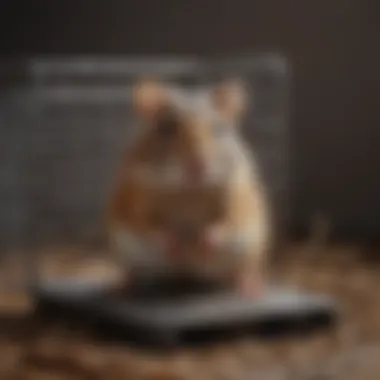

Rodents exhibit specific habitat preferences that vary across species. Generally, they thrive in environments that provide shelter, abundant food, and water sources. Commonly found in urban areas, rodents favor attics, basements, and other undisturbed spaces as nesting sites. Understanding these behaviors is crucial as it allows homeowners to identify and alter conditions conducive to rodent presence.
Consider the following when assessing rodent habitats:
- Entry Points: Inspect for cracks, openings and gaps in structures where rodents may enter.
- Food Sources: Eliminate accessible food in kitchens, garages, and narrow spaces.
- Water Supply: Minimize possible water access which encourages rodents to inhabit your spaces.
Recognizing these preferences can lead to strategic placement of traps and an organized approach to rodent management and removal.
Feeding Habits
Rodent feeding habits significantly influence their presence in our environment. A diverse diet characterizes many species. They consume grains, fruits, nuts, and even packaged foods. Understanding these habits provides essential information for deploying effective bait and trap options.
When considering the baits, it's crucial to select the right type based on food preferences. Here are points to keep in mind:
- Meal Resources: Outdoors, ensure birdseed and pet food are properly stored.
- Kitchen Care: Often, kitchens present something as common as crumbs as a welcomed meal.
- Nutrition: Rodents prefer high-calorie options which leads to understanding why they invade our spaces.
By comprehending their feeding behavior, you can restrict their access to food, lessening their population over time.
Reproductive Patterns
Rodents multiply quickly, making their reproductive behavior crucial to understand for effective control strategies. A single pair of mice, for instance, can produce dozens of offspring in just one year under favorable conditions. Knowing their reproduction cycle informs timely interventions to limit their population growth.
Key learner points include:
- Breeding Frequency: Many species reproduce throughout the year, sometimes many times in as little as 4 to 6 weeks.
- Nest Protection: Female rodents create safe nesting environments and will fiercely protect young ones, leading to challenges in capture efforts.
- Population Monitoring: Setting a routine for monitoring nest sites influences control strategy.
Understanding reproductive patterns provides crucial insights into population control efforts, guiding interventions to prevent an alarming increase in rodent numbers.
By understanding habitat needs, feeding habits, and reproduction cycles, thoughtful strategies in rodent management can be constructed.
In summary, understanding rodent behavior is foundational to establishing an effective response to infestations. These strategies not only optimize capture methods but also contribute to long-term solutions in rodent management.
Methods of Rodent Capture
Rodent capture is a critical component in managing pest populations. Understanding various capture methods can significantly improve the approaches to dealing with infestations. It is essential to select strategies that not only address the problem but also consider the well-being of the environment and public opinion. Each method’s unique features, efficacy, risks, and ethical implications are vital to evaluate for effective pest control.
Traps: Types and Efficacy
Snap traps
Snap traps are among the most traditional and straightforward methods used for rodent capture. These devices work by using a spring-loaded mechanism to instantly kill the rodent upon capture. Their speed is crucial, as it reduces the struggle for the animal and, therefore, minimizes suffering. The main benefit of snap traps is their simplicity, making them a popular choice. They excellently focus on rodents that carry diseases. However, proper placement is necessary for effectiveness. Some concerns include the harm to non-target wildlife and domestic pets, making their use cautious in certain environments.
Glue traps
Glue traps provide an alternative to traditional snap traps by relying on strong adhesive boards to capture rodents. These traps are generally easy to set up. They can also be placed in numerous locations due to their low-profile design. Unfortunately, glue traps have raised significant humane concerns, as captured rodent can suffer for extended periods before dying. Consequently, these traps are often perceived as less humane and come under scrutiny from animal welfare advocate groups. It's essential to always assess their application wisely.
Live traps
Live traps aim at capturing rodents without harming them, allowing for relocation to an alternative environment. This method appeals to those seeking a humane approach to rodent management. A key characteristic is their design, which includes mechanisms to only allow an animal entry while preventing escape. Although many preference live traps for their humane impact, they require careful management after capture. Potential risks involve the stress of transport and the possibility of the relocated animal struggling to adapt to a new habitat. For effective use, it requires adherence to local laws regarding wildlife relocation.
Electromagnetic traps
Electromagnetic traps represent an innovative solution in rodent management. These traps emit electromagnetic waves that disrupt the nervous systems of rodents, leading to death. While they might not be the mainstream choice, their unique feature is their capacity to work silently, making them suitable for a residential setting. Electromagnetic traps may initially be seen as costly, but they may provide long-term safety and effectiveness. A negative point might be that these traps require electricity, limiting their usage in certain locations or conditions.
Baits and Poison
Types of baits
In the battle against rodents, various types of baits are employed to bait rodents effectively. These baits often mimic food sources rodents select. They are an attractive option for pest control, aiming to entice rodents into following the trail. The bait's unique feature, digestion aids, stands out for creating tasty discoveries for animals. The main drawback lies in setting and timing since poorly placed bait may go unnoticed.
Risks associated with poisons


Poison usage accompanies notable risks, making careful weighing crucial before choice. They can target various rodents quickly, promising rapid results. However, untargeted species might eat the poison too, leading to a broader ecological imbalance. Additionally, discovering a dead rodent cause health complications, as it can lead to further pest issues or diseases in surrounding areas. Therefore, comprehensive knowledge of placement and environmental moves is vital to reduce risks.
Best practices for use
Implementing best practices while using baits and poisons strengthens efficacy. Understanding forage habits is critical, ensuring proper placement in spots frequented by rodents. Bait stations are often useful tools for limiting access to these harmful substances. It is also important to maintain cleanliness since neglected areas may lose efficiency. Clear usage guidelines promote health safety for both the household and the wildlife community.
Innovative Technological Approaches
Remote monitoring traps
Remote monitoring traps utilize networking technology, alerting users of rodent activity without requiring constant visual checks. These help users track fluctuations in rodent populations. A critical factor is efficiency, offering significant labor-time savings. This technology shows an increase in satisfaction as users observe changes without exertion. Despite these advantages, the upfront cost could deter some homeowners from utilizing them.
Smart traps
Smart traps represent another technological advancement, featuring automated mechanisms that enhance safety and usability. These traps often provide feedback on captures via associated mobile applications. This characteristic enhances control by offering data worth analyzing over time. Although they come with positives, initial investment can stricken budget-conscious buyers, despite eventual efficiency ratings.
Use of pheromones
Using pheromones as attractants comes as a scientific innovation. These chemical signals instigate communication among rodents, luring them effectively to traps. Pheromones’ allure provides effectiveness, potentially surpassing conventional baits. Using food attrition scents can entice precise rodent types, minimizing capture of by-product animals. Nevertheless, pheromones have a medium investment intelligence field, so they may remain generically missed.
Understanding the methods for capturing rodents is intrinsic to successful pest management. Properly using this knowledge enables professionals and homeowners alike to readjust their strategies for improved outcomes.
Ethical Considerations in Rodent Capture
Understanding ethical considerations is paramount in rodent capture. This aspect reflects not only humane aspects, but also aligns with broader ecological and social responsibilities. As individuals take proactive measures to manage rodent populations, they must also consider the methods chosen and their broader implications. Capture methods should avoid unnecessary suffering to the animals. Survivors should get timely care or rehabilitation when possible.
Humane Capture Practices
Humane capture practices are essential for ethical rodent management. These methods aim to minimize distress and suffering for the animals involved. Generally, the focus lies on live traps rather than lethal options. Live traps allow capture without immediate harm and permit re-location in suitable habitats. Using these traps properly ensures lower panic responses from rodents.
For best results in humane capture:
- Regular checks: Traps should be checked frequently, ideally multiple times a day.
- Appropriate baits: Use natural food sources for attracting rodents. This can result in more effective captures.
- Careful handling: Once captured, rodents need careful handling to prevent injury.
Higher ethics go beyond mere compliance with regulations. They advocate sustainable and effective solutions that may include public awareness and minimizing rodent attractions around properties.
Environmental Impact
Rodent management choices can have significant environmental effects. Harmful substances, such as certain baits or poisons, may lead to collateral damage in local wildlife. Non-target species can be unwitting victims of pest control methods. Some poisons may accumulate in the food chain, causing unforeseen consequences. Assessing this impact is vital for devising ethical control strategies.
By promoting more sustainable practices, individuals can minimize adverse effects:
- Reduce chemical usage: Use tracking systems alongside traps for live monitoring instead of poisons.
- Encourage natural predators: Keeping natural predators like owls and snakes may balance local ecosystems.
Rethinking capture initiatives leads to improved ecological health, benefitting all forms of life and integreting different supportive measures within the same strategies.
Public Perception and Education
Understanding and communicating the ethical ramifications of rodent capture is increasinglly important. The public perception of humane practices can influence their acceptance of pest management initiatives. Education systems that foster understanding and compassion can enhance community involvement in more informed practices.
Implementing effective communication channels leads to:
- Increased trust: Showing adults and their children that pain-free practices exist can foster a relationship with pest control processes.
- Interactive workshops: Engaging activities reveal ethical trapping techniques and reinforce humane doctrines that encourage responsible management at home.
- Resource sharing: Provide links to educational resources such as Wikipedia, Britannica, Reddit, and sharing success stories, enabling homeowners to capture this vital knowledge for residue-free control.
Public perception can strongly be influenced through information dissemination. Acknowledging and acting upon ethical considerations places transparency at the heart of community rodent management efforts.
Ethics of rodent capture stretch beyond action. Adequate mitigation requirements should reflect on understanding animal behavior, societal values, and environmental balance.
Implementation of Rodent Management Plans
Effective rodent management plans represent a structured approach to controlling rodent populations. They combine traditional methods with modern technology and ethical practices. This section underscores the necessity of such plans, focusing on specific elements, benefits, and vital considerations. Rodents can pose health risks and cause damages, necessitating a balanced strategy for capture and prevention.


Assessment of Infestation Levels
Assessment is the cornerstone of any rodent management plan. Accurate identification of infestation levels helps in developing an effective response tailored to actual needs. Here’s how this can be done:
- Visual Inspection: Regular examination of premises for droppings, nests, and chewing marks provides essential clues to rodent activity.
- Tracking Techniques: Use tracking dust of scented baits to observe where rodent movement occurs, enabling the targeting of hot spots.
- Monitoring Devices: Devices like digital sensors can provide real-time data on rodent activity and density. This helps identify which areas need immediate attention.
Understanding the extent of the infestation allows homeowners to choose appropriate methods and avoid ineffective measures thus saving time and resources.
Developing a Comprehensive Strategy
Once the levels have been assessed, development of a comprehensive strategy comes next. A multifaceted approach tailored to the specific situation is essential. Key elements to consider include:
- Combination of Methods: Integrating traps, baits, and technological solutions ensures an effective capture. Each method should complement the others to enhance overall success.
- Innovative Solutions: Explore remote monitoring traps or smart traps that can provide ongoing data about rodent populations. This information can help in adapting strategies on the go.
- Maintain Safety: It’s important to factor in the safety of children, pets, and non-target wildlife. All products used—whether traps or baits—must comply with safety regulations. By taking these precautionary measures, the potential risks can be minimized.
Formulating a well-rounded strategy requires frequent revisits and adjustments based on monitoring feedback. This can optimize control measures over time and address any new developments promptly.
Monitoring and Evaluation
The final piece of the rodent management puzzle is effective monitoring and management evaluation. Feedback loops can test whether the interventions achieve desired outcomes. Here are points to keep in mind:
- Regular Reviews: Scheduled evaluations of the rodent management system can indicate whether strategies are working effectively. Solicit feedback from all members of the household to get varied insights.
- Adjusting Methods: If certain traps or baits fail to perform as expected, be ready to alter your methods. Staying flexible ensures responses to new situations maintain effectiveness.
- Data Analysis: Utilize collected data from monitoring devices to refine strategies. Identifying patterns over time can sustain navigated decision making.
Successful rodent management is not a one-off approach; it's an ongoing process that requires attention and adaptation.
The implementation of a rodent management plan thus encapsulates careful assessment, strategy development, and persistent evaluation. Following this structured format aims for a sustainable practice to handle unwanted rodent populations effectively.
Future Trends in Rodent Capture
Future trends in rodent capture signify a critical shift in how society addresses rodent management. As urban areas expand, so do rodent populations. Thus, innovative methods become paramount to ensure effectiveness and minimize ecological disruption. Fundamental advancements lie in improved research techniques and the utilization of analytical data processes to derive insights and effective solutions.
Advancements in Research
Research is crucial in understanding rodent behavior patterns, breeding cycles, and their overall impact on urban ecosystems. Ongoing studies focus on behavior modification, genetic understanding, and co-existence strategies. Recent experiments seek to identify pheromone signaling, which helps pinpoint the most active routes for rodent movement. This can influence placement of traps or bait effectively.
Additionally, a shift towards environmental studies assesses how rodent populations interconnect with human activity and climate change. With scientific inquiry evolving, validation through academic partnerships ensures a steady inflow of knowledge and practical applications in pest control methodologies. Modifications in rodent traps also emerge from the focus on humane designs, fostering biodiversity protection while addressing public health concerns.
Integration of Data Analytics
Data analytics introduce a fresh layer of sophistication in managing rodents. This technology involves using statistical analysis to disperse details about infestation trends and hotspots. The role of analytics coincides with modern IoT developments, where tools interact with data in real-time, reporting rodent activity.
Potential benefits encompass:
- Predictive modeling: Anticipating rodent movements enhanced through historical data analysis, allowing pre-emptive action.
- Efficiency optimization: Providing insights into resource allocation, making pest management more cost-effective.
- Customized strategies: Categorizing infestation issues to suit varying environments and contexts.
Integrating machine learning can lead to increased understanding of spatial patterns and behaviors, translating data directly into actions. A hands-on analysis of residential versus commercial properties allows tailored management solutions.
The future of rodent capture thus not only relies on traditional knowledge but stitches together complex data systems for a comprehensive approach. This understanding furthers effective pest control with a focus on ecological balance and public safety.
In summary, future trends in rodent capture sit at the intersection of technology and biology. Continuous advancements in research, alongside robust data analytics implementation, will facilitate a future where rodents can be managed responsibly and effectively.
End and Recommendations
Summary of Key Points
The effective management of rodent populations is crucial for both public health and environmental stability. Key takeaways from this exploration include:
- The significance of understanding rodent behavior when developing capture strategies.
- A variety of methods exist, each suited for different situations. Traditional traps such as snap traps and modern options like smart traps merit individual consideration.
- Ethical practices should guide rodent capture, emphasizing humane methods and minimizing environmental impact.
These points not only lay the foundation for practical application but also provide insight into the complexities of rodent management.
Call for Continued Research and Action
As the landscape of pest control changes rapidly with technological advancements and ecological considerations, it is paramount that we prioritize ongoing research and action in this field. Further studies can enhance our understanding of rodent behaviors and adaptability. Such knowledge will refine current strategies and develop innovative solutions for pest management.
Additionally, increased awareness about the implications of rodent populations on health and the environment is essential. Public engagement through education can promote smarter, more responsible pest control practices in communities. This collaboration will contribute to healthier living environments and sustainability.
Investing in research now will determine the efficacy of future methods of rodent management.
Regular assessment of existing strategies and adapting them to new findings will ensure that home and property owners are well-equipped not only for current infestations but also for preventing future issues.