The Critical Role of Pest Control Technicians in Public Health


Preventive Pest Control Strategies
Preventive pest control is the first line of defense against unwanted intruders in your home. By proactively addressing potential risks, homeowners can create an environment that deters pests. Here, we will explore various strategies for maintaining a pest-free home.
House Exterior Protection
Protecting the house exterior is crucial in preventing pests from entering. Various areas require careful attention.
Tips for sealing cracks
Inspect your home for cracks and gaps in walls, vents, and doors. Use high-quality caulk to seal these openings effectively. This creates a barrier, limiting access for pests.
Clearing debris
Keep the outside of your home tidy. Remove leaves, mulch, and dead plants around the foundation. These materials can attract insects and rodents.
Preventing pests from entering
Consider installing door sweeps and weather stripping on doors and windows. These small changes can greatly reduce pest entry points.
Yard Maintenance
A well-maintained yard contributes significantly to a pest-free home.
Essential yard care routines
Regular mowing and trimming of bushes are essential. This discourages pests that thrive in overgrown areas.
Methods for keeping yard pest-free
Fill in potholes and ensure proper drainage to reduce stagnant water. Stagnant water attracts mosquitoes and other pests, so it's important to identify and eliminate such spots.
Indoor Cleanliness
Maintaining cleanliness inside the home is paramount.
Expert cleaning tips and techniques
Vacuum regularly and promptly clean up spills. Particularly focus on the kitchen and dining areas, where food is present.
Maintaining a pest-resistant indoor environment
Store food in airtight containers and keep surfaces clutter-free. Both practices help deter pests seeking food.
Garbage Disposal
Proper garbage management is key to afast pest solutions.
Efficient waste disposal methods
Always use bins with tight-fitting lids. It prevents food scent from attracting pests. Regularly take out the garbage to prevent overflow.
Importance of proper garbage disposal
Disposal of organic waste in compost systems should be planned carefully. While composting is beneficial, if not managed, it can another become pest attraction.
Other Pest Prevention Strategies
Beyond basic maintenance, consider additional strategies.
Innovative ways to safeguard your home
Using natural pest repellents, such as planting marigolds, can deter some pest species. Regularly monitoring for signs of pests also helps catch infestations early.
Staying vigilant and proactive can save more significant problems down the line.
Identifying Pest Risk Areas
Next, identifying locations around your home that attract pests is necessary. Common areas include moisture-prone places like basements, kitchens, or bathrooms, where humidity tends to accumulate.
Moisture Prone Areas Inspection
Look for leaks in pipes or areas with draining issues. Consider using dehumidifiers in damp sections of your home.
Crack and Crevice Inspection Guide
Regularly examining your home's foundation for gaps is important. Small openings often go unnoticed, yet prove welcoming to pests.
Greenery Inspection for Pest Risks
Ensure that shrubs and plants are not too close to the house. Jasmine and similar fragrant plants can attract more pests, yet grown carefully can provide repellent effects.
Additional Pest Risk Areas
Common areas overlooked include attics where wasps might build nests and homes' outskirts where rodents might hide.
Effective Pest Control Methods
Once pest prevention has been established, knowing how to handle infestations is next.
Natural Repellents for Pest Control
Utilizing natural solutions like vinegar can offer a safe, non-toxic method of pest management. Essential oils such as peppermint are also effective in keeping pests at bay.
Chemical Sprays for Pest Control
If naturally-based alternatives do not suffice, consider using store-bought pest sprays. Choose mild sprays, those specialized for home use, designed to limit harm to pets and children.

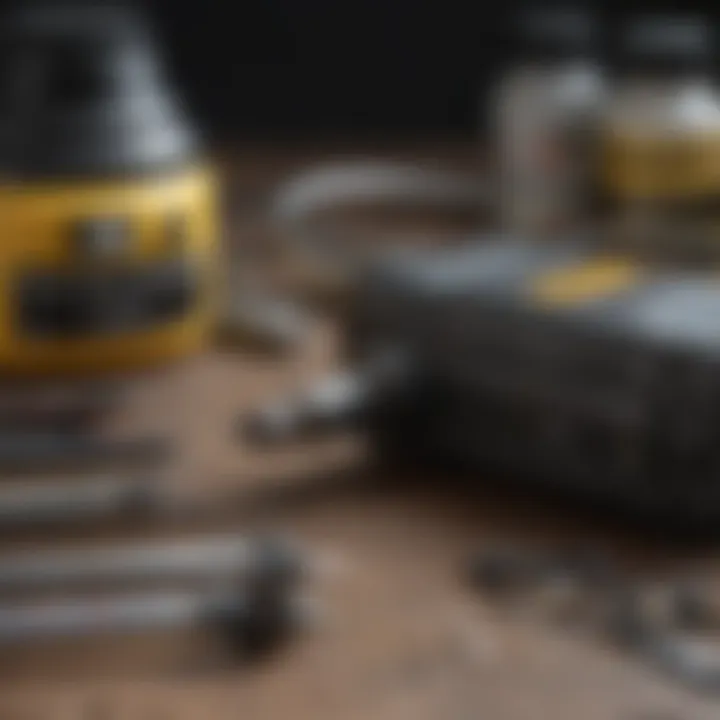
Pest Traps: Effective Pest Control Solutions
Deploy traps in known problem areas. Set perimeters where pests usually traverse. This helps in directly addressing an infestation’s source.
Biological Control Methods for Pest Prevention
Introducing natural predators, such as ladybugs for excessive aphids, can balance pest populations. This method promotes ecological balance.
Other Pest Control Methods
Check online for latest innovative technologies, such as ultrasonic repellers, finding new ways to keep nuisance away.
Pest Species Identification
Identifying the type of pest in your home aids in the solution approach.
Common Insects in Home Pest Control
Myriad of insects might infest a household. Noticing typical signs helps. For example, cockroaches leave behind droppings as indicators of an issue.
Identifying Rodents for Pest Prevention
Mouse droppings and gnaw marks on drywall often point to an underlying rodent problem. Identification involves setting traps in suspected areas reliably.
Bird Species Impacting Home Environments
Birds can cause problems near certification esp if nesting under eaves or roofs can induce blocked gutters. Note common culprits like sparrows or starlings and investigate elimination methods.
Dealing with Wildlife on Your Property
If encountering larger animals, such as raccoons or skunks, it's vital to contact wildlife service to manage any disturbances fugitar set-up headache.
Miscellaneous Pest Species Identification
Other recognized species like termites require swift attention. They tend to harm property if left unchecked, seeking prompt solutions to save material deterioration.
DIY Pest Control Techniques
Should you wish to experiment with pest control, several do-it-yourself strategies are available, promoting an environmentally responsible approach.
Homemade Pest Control Solutions
A simple mix of soap and warm water can hamper specific pest breeds trying to settle on plants while being less toxic causing minim anomaly stopp invalid created portfolio miss typing.
Using Essential Oils for Pest Control
Several common oils like lavender can serve both delightful aromas and pest-repellant qualities. Spraying these in problem areas can create discomfort for pest showing your territory clearly.
Effective Pest Traps and Barriers
Construct physical barriers strategically—placing nets over boxes or sealing anomalies can prevent rodents entering the buildings entirely necessary.
Top Reputable Pest Control Brands
Choosing the right pest control products plays a considerable role in effectiveness realize brands like Orkin, Terminix being household names commonly resultantly trusted method hero across lasted time channels publicly accessible thus aiding actions.
Miscellaneous DIY Pest Control Techniques
Utilize diverse beverages such tomatoe juice cleaning surfaces if ants invade; evidence encourages dynamic usage across generationsוות fit adept learning highly inappropriate organized knowledge sharing widely accepted within onlin spaces engaging opportunities abundantly for certain sectors engaged outdoors.
Understanding Pest Control
Pest control is an essential subject because it pertains to managing unwanted creatures in our living environments. These pests can affects both health and comfort, making understanding pest control vital. This section explores the concept of pest management, addressing its meaning and highlighting its importance in maintaining a safe and hygienic space.
Definition of Pest Control
Pest control refers to the regulation or management of a species defined as a pest. Pests are creatures that have an adverse effect on humans, their activities, or the environment in some way. These species can include insects, rodents, and other animals that invade homes or commercial properties. Pest control can involve various methods, such as biological, physical, or chemical means, to reduce or eliminate pest populations.
Effective pest control assesses the issue through a careful inspection and integrated procedures that focus on long-term solutions rather than temporary fixes. This distinction emphasizes the need for professionals in pest management, whose skills go beyond simple extermination to include prevention and future planning.
The Importance of Pest Management
The reasons behind the necessity of pest management are multifaceted. Firstly, pest control is crucial for public health. Pest infestations can lead to unsatisfactory living conditions conducive to the spread of disease. For example, rodents carry harmful pathogens affecting human health, necessitating immediate intervention.
Additionally, pest management protects our properties. Insects like termites cause severe structural damages that often lead to expensive repairs when not managed promptly. Household rodents, by gnawing on wires, contribute not only to property damage but also risks for electric fires.
Furthermore, an aspect not to overlook is the ecosystem. Poor pest management can disrupt local animal populations. For instance, harmful pesticides might affect non-target species, upsetting the biological balance that supports various forms of life.
In summary, understanding pest control lays the groundwork for significant and comprehensive pest management. By recognizing the relevance of this issue, homeowners can approach pest control proactively. This ensures functional and safe environments free from pests.
Who Are Pest Control Technicians?
Pest control technicians play a crucial role in safeguarding homes and public health against the threats posed by various pests. Their importance can not be overstated, as they not only identify pest problems but also develop systematic solutions. Understanding what pest control technicians do adds value to homeowner experiences, especially for those who may not fully appreciate their contributions.
Roles and Responsibilities
Pest control technicians have a wide range of responsibilities. They begin with conducting inspections to assess the level and nature of infestation. This initial step often involves scrutinizing property structures, looking for signs such as droppings, damage, or nests. After evaluations, they identify specific pest species, as each requires a different treatment approach.
Once identification is complete, the next phase involves creating customized treatment plans based on the unique challenges of the infestation. Treatment methods can include chemical applications, traps, or organic alternatives. Technicians must not only execute these methods but also educate clients on preventive practices that help in curbing future infestations.
Finally, record-keeping is an essential part of a technician's duties. Proper documentation not only helps track methods and results but also provides valuable data for ongoing analysis. Essentially, pest control technicians are key figures in pest management, blending technical knowledge with practical implementation to ensure homes remain pest-free.
Common Work Environments
Pest control technicians typically work in various settings, each presenting distinct challenges and pest management needs. Many technicians serve residential buildings, where they tackle common household pests such as ants, roaches, and rodents. Here, they focus on creating safe and hygienic environments for families.
In commercial settings, including restaurants and hotels, the stakes are higher. Technicians must navigate stringent regulations and ensure compliance with health standards while effectively eliminating pests. Their work is usually premised on maintaining a safe, clean atmosphere that meets the high expectations of clients and health inspectors.
Agricultural environments require another specialized approach. Pest control technicians may focus on crop management, working directly with farmers to mitigate crop pests and ensure maximum yield. Their expertise can significantly affect market outputs, making their role particularly valuable in this sector.

In addressing the complexities of each environment, pest control technicians demonstrate adaptability and knowledge across diverse landscapes.
Daily Tasks of Pest Control Technicians
The daily tasks of pest control technicians are fundamental to the profession. Each procedure contributes significantly to the effective management of pests and ensures public health safety. It requires a mix of technical skills, awareness of environmental impact, and a strong attention to detail. Understanding these tasks allows homeowners to appreciate the value pest control technicians provide.
Inspection Procedures
Inspection procedures involve a systematic approach to evaluating spaces that are prone to pest infestation. It allows technicians to gather crucial information about pest presence. First, technicians look for signs of pests, such as droppings, nests, or damage to property. Regular inspection is essential for effective pest management. This will not only inform the technician of existing issues but can also help prevent future infestations.
Technicians must pay attention in specific areas, inclusing basements, attics, and kitchens. These are common hot spots for pests.
The importance of precise inspections cannot be understated. A thorough examination helps in determining the proper treatment method. Moreover, proper inspections can save costs in the long run by addressing issues early on.
Identification of Pest Species
Identifying pest species is another critical task that requires skill and knowledge. Not all pests are the same, and their behavior can vary greatly. Different species necessitate different approaches to treatment and management. Technicians must understand how to identify the unique features of pests, such as size, color, and habits.
Moreover, knowing the species aids in evaluating damages they might cause. For example, Carpenter ants can harm wooden structures, while bed bugs typically affect sleep quality and comfort. Incorrect pest identification can lead to ineffective treatments and wasted resources.
Popular Identification Resources
- Field guides for various pest species
- Online databases and forums like reddit.com
- field trials and professional training materials
Application of Treatment Methods
Once the inspection and identification processes are complete, the application of treatment methods can begin. This is where technicians implement pest control strategies that may involve chemicals, traps, or other solutions. The choice of method will depend on the specific pest and its level of infestation.
Compliance with legal regulations is pivotal here. Treatments must be safely and effectively performed, keeping in mind non-target species and the surrounding environment. Technicians subject themselves to continued education. This ensures familiarity with new products and techniques.
Effective pest control can minimize health risks and enhance overall quality of life in kept buildings.
Moreover, treatment methods should consider sustainability. The increasing importance of environmentally-friendly products is acknowledged in this field. The aim is to reduce the ecological footprint of pest management.
In summary, the daily tasks of pest control technicians lay the framework for responsive pest control. Each step, from inspection through treatment, lays the ground for a successful pest management plan, ensuring homeowners live safely and comfortably.
Tools and Equipment Used
Understanding the tools and equipment in pest control is essential for grasping the full scope of what pest control technicians do. These items are not only crucial for the execution of their jobs but also ensure safety, efficiency, and environmental stewardship in pest management.
Types of Chemicals and Pesticides
Pest control technicians rely heavily on various chemicals and pesticides for effective pest elimination. Each type has its specific purpose and is selected based on the problem presented. Common categories include insecticides, rodenticides, and fungicides, each having distinct applications in managing pest populations.
Key Points:
- Target Specificity: Different chemicals are created for specific pests. For instance, selective insecticides target only certain insects, reducing harm to beneficial species.
- Chemical Composition: The formulation of pesticides can range from natural substances to synthetic chemicals. Understanding these can help technicians make informed choices that align with safety guidelines.
- Application Methods: The method of application—such as sprays, granules, or bait—engages precisely in intended areas, enhancing effectiveness.
Effective usage of these chemicals is not just about application but also ensuring compliance with regulations to protect the environment and public safety.
Protective Gear and Safety Equipment
The nature of pest control work poses risks. Thus, protective gear is essential equipment for technicians. It serves to prevent exposure to harmful chemicals, hazards, or insect bites.
Essential Gear Includes:
- Gloves: Often made of nitrile or rubber, they provide a barrier against pesticides and biological hazards.
- Respirators: These are important when dealing with airborne toxins. Technicians are trained in their use to avoid inhalation of harmful vapors.
- Coveralls: They ensure minimal exposure, protecting the technician's skin and clothing from incidents.
- Goggles: Used for eye protection to prevent irritants from coming into contact with the eyes during application.
Safety protocols and training serve to prepare pest control professionals for handling these risks effectively.
Technology in Pest Control
Recent advancements in technology have transformed pest control practices. Technologies enhance accuracy, efficiency, and reduce the reliance on chemical treatments.
Notable Innovations Include:
- Drones for Inspection: Drones allow technicians to inspect hard-to-reach areas for infestations without disturbing environments.
- Smart Traps: These traps can monitor pest activity and communicate data in real time, providing insights for timely interventions.
- Data Analytics Tools: They help in identifying pest patterns and predicting outbreaks, allowing for proactive measures instead of reactive ones.
Though integrating technology requires initial investment, it leads to long-term savings and better pest control.
Recognizing the right tools and equipment in pest control elevates the standard of service and ensures rigorous safety protocols, enhancing the overall effectiveness of pest management.
Education and Certification
The field of pest control requires substantial knowledge and skills due to the complex nature of pest management. Education and certification play an essential role in shaping competent pest control technicians. They guarantee that professionals possess the necessary training and awareness, enabling them to address various pest-related issues effectively.
Quality training programs exist designed specifically for pest control. These programs range from basic overviews of pest biology to advanced methods in safe pesticide application. By participating in such educational courses, technicians can understand the intricate balance between pest control applications and environmental stewardship. Understanding species identification, behavior, and habitat helps technicians devise targeted treatment strategies. This not only benefits public safety but also contributes to minimizing non-target impact.
Furthermore, most states require certification for pest control professionals. The certification process involves passing an exam that evaluates whether individuals can apply pest management techniques safely and correctly. Certified technicians have an elevated status in the industry, reflecting their commitment to sustainable practices in pest control.
Education and certification provide pest control technicians with a critical foundation, enhancing their competence and credibility in the field.
Incorporating this focus on education and accountability fosters consumer confidence. Homeowners and residents appreciate technicians who have the credentials that signify expertise, quality, and an understanding of safety protocols. Thus, the importance of effective training and certification cannot be overstated in the realm of pest management, linking well-trained professionals to better service delivery and reduced risks.
Required Training Programs
To become a pest control technician, potential candidates often start with basic training programs that focus on fundamental pest biology and management techniques. These programs are vital as they establish the groundwork upon which extensive knowledge is built. They encompass various aspects of pest control, including handling and applying pesticides, safety protocols, and ongoing developments in the industry.
Training programs can be both formal and informal, including courses from vocational schools, community colleges, or online venues. Some institutions offer specialized workshops or certificate programs that are recognized in the industry.
Typical components of training include:
- Pest Identification: Understanding different species that may infest homes, including their behavioral patterns.
- Pesticide Safety: Learning how to handle chemicals respectfully and understanding guidelines for their use.
- Integrated Pest Management (IPM): Training on methods that minimize pesticides and encourage long-term control strategies.
Time spent in these programs often pays off through effective techniques that technicians can apply in various situations. A solid educational foundation contributes directly to stronger pest management outcomes.
Certification Processes


Once technicians complete their training, pursuing certification is the next logical step. States or local regulatory agencies typically oversee certification processes, each of which may vary in terms of requirements and procedures. Prospective technicians often need to pass an examination based on the knowledge gained during their training.
The certification process usually involves several main steps:
- Application: Candidates submit necessary forms and fees to their state or local agency.
- Pre-Exam Requirements: Some programs may require technicians to demonstrate practical experience before they can take the exam.
- Examination: Candidates then take an exam designed to assess their technical knowledge and problem-solving abilities in pest control scenarios.
- Renewal Requirements: Many certifications must be renewed periodically, assuring that the technicians stay updated on new treatments and technologies.
By successfully navigating this process, technicians earn credentials that showcase their qualifications. Thus, they can assure clients of their expertise in safest practices in pest management.
Legal and Environmental Considerations
Pest control involves a range of legal and environmental factors that technicians must be aware of to operate effectively and responsibly. By navigating these complexities, pest control technicians enhance the quality of their services while safeguarding public health and environmental safety.
Regulations Governing Pest Control
The pest control industry is governed by an array of laws and regulations designed to ensure the safe usage of pesticides and the protection of both consumers and the environment. Technicians are required to be knowledgeable about these legal frameworks.
Some key regulations include:
- Federal Insecticide, Fungicide, and Rodenticide Act (FIFRA) : This law regulates the use and distribution of pesticides at the federal level.
- Environmental Protection Agency (EPA) Guidelines: Establishes safety standards for chemical applications as well as requirements for licensing pest control professionals.
- State Regulations: Individual states may have their own set of laws; technicians must adhere to these local standards too.
These regulations are essential because they protect human health and prevent environmental degradation. Noncompliance may result in severe legal repercussions for pest control companies and could also jeopardize public health.
Technicians not only protect our homes but also our legal safety through proper compliance with pest control regulations.
Impact of Pest Control Practices on the Ecosystem
Pest management significantly affects ecosystem balance. The approach a pest control technician takes can influence the overall health of the environment. When applying chemicals in pest control, there must be a balance between efficacy and safety.
Key elements to consider include:
- Bioaccumulation: Some chemicals can accumulate in the food chain. Technicians must choose products wisely to minimize this risk.
- Non-Target Species: Care should be taken to ensure that applications do not adversely affect beneficial insects or other wildlife.
- Soil and Water Health: Pesticides can have devastating effects on local flora and water sources if improperly applied.
Each type of pest control practice comes with its own implications for ecosystem integrity. Thus, it is crucial for technicians to stay educated not only about pest behaviors but also about the potential ecological impacts of their treatments. By foundational understanding and responsible behavior, pest control technicians can help minimize negative effects while ensuring effective pest management practices.
Challenges Faced by Pest Control Technicians
Pest control technicians encounter numerous challenges that impact their daily work and the effectiveness of their services. Addressing these challenges is crucial not only for the technicians themselves but also for the homeowners relying on their expertise. Understanding these issues enables better pest management strategies and healthier homes.
Resistance of Pests to Treatments
Pest resistance poses a significant challenge in the pest control industry. Over time, many pests have evolved to become immune to commonly used pesticides and treatments. This resistance occurs through a process of natural selection, where the weakest individuals are eliminated through exposure, while those with resistance traits survive.
This situation demands that technicians continuously adapt their approaches. It's crucial to stay informed about the latest research and innovations in pest control. As pests become resistant, effective treatment may involve:
- Rotating pesticides to ensure pests do not develop further resistance.
- Using integrated pest management (IPM) strategies that combine various methods for better efficacy.
- Consulting on preventive measures that reduce pest populations before they become a problem.
Handling resistance effectively ensures long-term pest management and helps secure a pest-free environment for homeowners.
Safety Risks and Hazard Management
Safety is paramount in pest control, as technicians often work with chemicals that can be hazardous if not handled correctly. The risks extend not only to the technicians but also to the occupants of homes and the environment.
Key safety concerns include:
- Exposure to chemicals: Pests require treatment, but technicians must protect themselves from harmful substances. Proper training on safety practices and the correct use of protective gear is essential.
- Environmental impact: The use of certain chemicals can lead to unintended environmental hazards, affecting flora and fauna. Technicians need to be aware of regulations governing chemical use in their region.
- Physical injuries: The job also includes handling heavy equipment and working in potentially dangerous settings. Proper handling protocols and equipment maintenance can mitigate these risks.
Advocating safety options not only protects technicians but also translates to a higher standard of service, reinforcing trust with clients.
Staying vigilant about pest resistance and safety risks are critical components for pest control technicians, ensuring conducive relationships with clients and communities, ultimately leading to sustainable pest management practices.
Industry Trends and Innovations
Industry trends and innovations shape the future of pest control, altering how technicians approach their work. Understanding these changes is vital for those within the field and consumers alike. The advent of new technologies and practices offers various benefits from improved efficacy and safety to reduced environmental impact. Keeping abreast of these trends allows pest control technicians to employ strategies that enhance their roles in public health and environmental protection.
Advancements in Pest Control Technology
The emergence of sophisticated tools and technology has revolutionized the pest control industry. High-tech equipment enhances efficiency in various processes, from detection to treatment. One prominent example is the use of drones for monitoring large properties. Drones provide valuable aerial views, enabling faster assessment of pest problems over expansive areas, reducing time and effort traditionally required.
Additionally, smart traps equipped with internet connectivity allow for real-time data collection. These traps alert pest control technicians about captures without needing physical inspection. The fusion of technology with pest control improves operational speeds and ensures nuisances are addressed promptly, often before they escalate into more significant concerns.
New chemical formulations also contribute to advancements. Biopesticides derived from natural materials are gaining traction as effective alternatives to conventional pesticides.
These products often pose a reduced risk to human health and the environment. Their development reflects a broader industry shift towards safer, eco-friendly pest management options. As these technologies evolve, they are likely to set new standards for routine pest control practices.
Sustainable Practices in Pest Management
Sustainability is becoming increasingly important in pest management. Awareness of environmental issues motivates both consumers and pest control professionals to consider eco-facing options. The emphasis on sustainable pest control practices aims to minimize harmful impacts on the environment while addressing pest-related issues effectively.
Integrating Integrated Pest Management (IPM) techniques exemplifies sustainable pest management. This method combines biological, cultural, physical, and chemical solutions aimed at pest control while preserving beneficial organisms.
Moreover, collaboration with homeowners plays a crucial role. Educating clients about sanitation methods or preventative strategies can mitigate the need for chemical interventions. By encouraging practices like proper waste management, adhering to pest-resistant landscaping, and promoting habitat modification, pest control technicians can foster a more sustainable relationship between occupants and their environments.
The intersection of technology and sustainability is also notable. Sensor technology, data analytics tools, and predicted modeling are employed to optimize how pest control technicians identify, monitor and respond to infestations. Minimizing chemical usage while effectively solving pest problems optimizes results.
The Future of Pest Control
The future of pest control stands at a crucial juncture, hollowed out by relentless advances in technology, evolving eco-conscious philosophies, and changes in consumer demands. As we move forward, pest control technicians must adapt to these shifts to remain effective and relevant. Efficient pest management not only ensures public health but also promotes sustainability. Understanding these emergent trends equips homeowners and housewives with knowledge for better pest solutions.
Emerging Challenges and Opportunities
In the pesst control industry, emerging challenges frequently correlate with shifting societies and their expectations. Technicians face increasingly resistant pest populations that challenge traditional treatment approaches. Many chemical treatments have met resistance. Moreover, regulatory frameworks complicate practices, as restrictions on chemical formulations have intensified.
However, within these challenges lie new opportunities. Integrated pest management (IPM) is gaining momentum. This method emphasizes a holistic approach, incorporating biological control methods, cultural adjustments, and physical barriers alongside traditional chemicals. Employing diverse tools can lead to more successful, sustainable pest management strategies. Furthermore, technicians are embracing digital tools, such as drones and monitoring systems, which streamline inspections and improve the overall efficacy of pest solutions.
- Advanced data analytics enhance decision-making.
- Remote monitoring systems reduce urgency and increase proactive satans.
- Consumers increasingly demand eco-friendly solutions, paving the way for organic and natural treatment offerings.
Adapting to these shifts will enable pest control professionals to offer robust, effective Rs to their screenshots.
The Evolution of Pest Control Roles
The role of pest control technicians is increasingly multifaceted. In the past, addressing pest problems often involved solely hands-on treatments. Today, the profession thrives on technological integration and continuous learning. Technicians are transitioning from mere “bug killers” to problem solvers and educators. Their responsibilities now encompass environmental considerations, creating sustainable pest management plans.
This evolution is evident in several ways:
- Broader Skill Sets: Splitting away from just active treatment, technicians now require a strong understanding of ecological principles, pest biology, and behavioral patterns.
- Educational Advocacy: Technicians increasingly educate homeowners about preventative measures. This collaboration fosters a shared responsibility for maintaining pest-free spaces.
- Technological Fluency: Learning about modern pest control equipment has become paramount. Data management systems improve work efficiency and client service.