Safe Rodent Poison: Risks, Regulations, and Alternatives


Preventive Pest Control Strategies
When it comes to keeping pests at bay, a stitch in time saves nine. So, let's break this down with a focus on prevention. Rodents and insects can be a nuisance, but often, a few smart strategies can deter their entrance even before they start to bug you.
House Exterior Protection
Tips for Sealing Cracks
Start outside; think of your home as a castle needing fortification. Check around windows and doors for any cracks. If you see gaps, fill them using caulk or expanding foam. A small hole can become a big trouble when little critters take a friendly shortcut into your home.
Clearing Debris
It’s easy to overlook the yard. Keep it tidy by clearing leaves and piles of mulch where rodents can hide. If they can’t find a comfy spot outside, they may just look for a new landlord.
Preventing Pests from Entering
Consider installing door sweeps and window screens to block potential entry points. Any opening larger than a dime can be an invitation for rodent visitors. Be mindful of vents too, as pests tend to make themselves at home in cozy, hidden spots.
Yard Maintenance
Essential Yard Care Routines
Keeping your yard in check is pivotal in pest prevention. Regular mowing and trimming can limit hiding spots for many unwanted guests. Additionally, consider planting strong-smelling herbs like mint or rosemary, which can ward off pests while keeping your garden looking lush.
Methods for Keeping Yard Pest-Free
When it rains, puddles can form a perfect breeding ground for insects. Ensure proper drainage in your yard so it doesn’t attract mosquitoes and other nuisances. A dry area is less alluring for bugs, which in turn can translate into fewer critters inside your home.
Indoor Cleanliness
Expert Cleaning Tips and Techniques
An organized home is less attractive to pests. Regular vacuuming, especially in corners and under furniture, can pick up crumbs that might lure unwanted visitors. Wipe down surfaces with a soapy solution, rather than just using a dry cloth, to prevent sticky residues that invite pests.
Maintaining a Pest-Resistant Indoor Environment
Use airtight containers for food storage; it's a simple step to keep pests at bay. And don’t forget to frequently empty the trash bin, as leftover food can be a buffet for rodents and insects.
Garbage Disposal
Efficient Waste Disposal Methods
Proper garbage disposal is more than just aesthetics; it’s a crucial defense against pests. Ensure trash is collected regularly, and bin lids are secure to prevent critters from feasting on your refuse.
Importance of Proper Garbage Disposal
A clean garbage area discourages pests. Consider composting yard waste separately to minimize waste and not attract unwelcome guests.
Other Pest Prevention Strategies
Innovative Ways to Safeguard Your Home
Beyond the basics, consider the benefits of using diatomaceous earth or natural insect repellents, which can deter pests without the need for strong chemicals. Setting up barriers or traps at key potential entry points can also act as a first line of defense.
"An ounce of prevention is worth a pound of cure."
By adopting these preventive measures, you can safeguard your home against pests before they become a problem. A proactive approach not only saves time and money later on but ensures a comfortable living environment.
Identifying Pest Risk Areas
In tackling a pest problem, understanding where they like to roam is half the battle. Let's dive into how to find those ideal spots for critters to invade your cozy abode.
Foreword to Rodent Control
Rodent control isn’t just about keeping the odd mouse at bay; it’s a crucial aspect of maintaining healthy homes and communities. These little critters, while often overlooked, can wreak havoc on our wellbeing, food supplies, and the structures we call home. A focused approach to rodent management is vital. It allows homeowners and landlords to tackle these issues right at the root, ensuring peace of mind as much as cleanliness.
The importance of effective rodent control can’t be stressed enough. Infestations can lead to serious health problems. Rodents can carry diseases such as hantavirus and salmonella, which can be transmitted to humans. They are also known to gnaw on wires and insulation, potentially leading to costly repairs.
Benefits of Rodent Control
Investing in rodent control comes with several key benefits that extend beyond mere aesthetics:
- Health Protection: By reducing rodent populations, homeowners can lower the risk of disease transmission.
- Structural Integrity: Clean homes are safe homes. Proper rodent control helps to avoid damages caused by chewing and nesting.
- Peace of Mind: Knowing your home is rodent-free provides confidence and comfort.
Considerations on Rodent Control
When delving into rodent control, a few considerations come into play. It’s crucial to assess the methods used—not all are equal in effectiveness or safety. Homeowners should be aware of the types of rodent poisons available while also considering how these substances will impact pets and wildlife. The balance between effectiveness and safety is pivotal.
In this article, we will dissect the evolution of rodent control tactics—from ancient remedies to modern science. We’ll explore historical practices, contemporary methods, and crucial regulations that make up the robust framework of effective pest management. Understanding the full scope of rodent control empowers homeowners to make informed choices, leading to safer and cleaner living spaces.
Overview of Rodent Poisons
Understanding rodent poisons is crucial for anyone looking to tackle rodent problems effectively and responsibly. In an age where the safety of both humans and pets is paramount, grasping the nuances of rodent poisons can guide homeowners toward making informed decisions. Selecting the right product not only ensures the desired pest control but also minimizes the risks associated with chemical agents.
Classification of Rodent Poisons
Rodent poisons can be broadly classified into three main categories: anticoagulants, neurotoxins, and non-toxic alternatives. Each category has its unique profile of effectiveness and safety considerations, adding layers of complexity to the decision-making process.


Anticoagulant Poisons
Anticoagulant poisons serve a singular purpose: they interfere with the blood-clotting process in rodents, leading to their demise over several days. This gradual action prevents the birds of prey and other scavengers from being overly affected, as the poisoned rodents don’t die instantly. A key characteristic of anticoagulant poisons is their availability in both first and second-generation formulations.
First-generation anticoagulants, like warfarin, have a lesser potency and require a rodent to consume larger amounts before succumbing, making them a safer option for environments with non-target species. In contrast, second-generation variants—think bromadiolone—are more potent, necessitating only a small dose.
However, one must consider the drawbacks. Anticoagulants can cause secondary poisoning, where predators ingest poisoned rodents and themselves become affected. This underlines the need for caution and awareness surrounding their use, especially in residential settings.
Neurotoxic Poisons
Neurotoxic poisons represent a different approach in rodent control by targeting the nervous system of pests. Products like bromethalin showcase a rapid acting mechanism, leading rodents to die within a few hours post-ingestion. These poisons are particularly useful in urgent situations where a quick resolution is crucial.
The key feature here is their installment speed—rodents waste little time before succumbing to the effects. However, the downside is significant; neurotoxic agents are less discriminate and pose a higher risk to non-target species, including household pets and wildlife. Their efficiency does come with a burden—homeowners need to be consistently vigilant.
Non-Toxic Alternatives
In the quest for safer pest control measures, non-toxic alternatives have gained traction among environmentally-conscious individuals. Options like essential oils, plant-based deterrents, and even ultrasonic repellents find their place as viable strategies. A key characteristic of these products is their emphasis on environmental responsibility; they don't harm unintended targets.
Moreover, non-toxic alternatives often boast unique features that can align with home safety practices. While their efficacy might not match the immediate effectiveness of traditional poisons, their long-term benefits in maintaining a balanced ecosystem can’t be ignored. Homeowners choosing these options can sleep easier at night knowing they contribute to safer community practices.
Mechanisms of Action
The mechanisms of action for these poison types vary widely, each playing a role in how effectively they control rodent populations.
"An informed approach to rodent control not only protects your home but also safeguards the surrounding environment."
Understanding the specific mechanism for each type of poison is essential for selecting the most suitable product for your circumstances. The battle against rodent infestations can be navigated through the careful assessment of these characteristics, ensuring a balance between effectiveness and safety.
Assessing Safety in Rodent Poisons
When it comes to choosing rodent poisons, understanding their safety profile is paramount. This section not only highlights the potential hazards associated with these substances but also emphasizes the need for consumers to be well-informed. Knowing the safety aspects can make a significant difference not just for human health but also for the well-being of pets and the broader environment.
Evaluating Toxicity Levels
Toxicity is often the first element that comes to mind when discussing rodent poisons. Different compounds have varying levels of toxicity, which determines both their effectiveness on rodents and the potential risks they pose to non-target species, including pets and wildlife. Understanding these levels can help homeowners make informed choices when selecting products.
- Low Toxicity: Some rodent poisons, like certain non-toxic alternatives, have little to no risk when handled properly. Examples include traps or baits that do not contain harmful chemicals.
- Moderate Toxicity: Anticoagulants are a common type of rodent poison that can be more hazardous. Although they may effectively control rodent populations, the risks to other animals that might ingest them are a serious concern.
- High Toxicity: Neurotoxic poisons fall into this category and are extremely effective against rodents, but they come with a checking price. The potential for accidental poisoning of pets or other wildlife during application creates a dilemma for those looking to maintain a safe home environment.
When evaluating these options, responsible usage is crucial. Always consider the dosage and method of application. One wrong step can lead to unintended consequences, highlighting the need for clear labeling and comprehensive safety instructions on packaging.
"While poison may seem like a quick fix, the implications of its use can linger well beyond the immediate problem."
Impact on Non-Target Species
The impact of rodent poisons on non-target species cannot be overlooked. This is an area where many homeowners might not fully grasp the repercussions of their choices. When poisons are set out, the risk extends beyond just the intended rodent target.
- Pets: Dogs and cats, curious by nature, may ingest poisons, resulting in severe health complications or worse. Keeping these substances out of reach is a fundamental precaution.
- Wildlife: Secondary poisoning can occur when predatory animals consume dead or dying rodents. This not only affects local ecosystems but also contributes to a decline in biodiversity.
- Beneficial Insects: Less often discussed is the impact on non-rodent pests that can actually be beneficial, such as certain insects that control other pest populations.
Homeowners should actively seek safer alternatives. Understanding how rodent poisons can unintentionally harm non-target species opens avenues for considering non-toxic pest control measures. Promoting practices that avoid collateral damage should be a priority for every household looking to manage rodents responsibly.
Regulatory Framework
Understanding the regulatory framework surrounding rodent poisons is crucial for several reasons. This framework not only establishes safety standards but also ensures that products available in the market are effective and pose minimal risks to both humans and the environment. Without these regulations, the potential for misuse, accidental poisonings, and adverse effects on wildlife would significantly increase.
When dealing with rodent control methods, it's not just about getting rid of pests—it's fundamentally about ensuring safety. Regulatory bodies like the Food and Drug Administration (FDA) and the Environmental Protection Agency (EPA) play vital roles in overseeing the classification, approval, and labeling of rodent poisons. Their involvement ensures that products meet specific health and safety standards before they can be marketed to the public.
The benefits of a robust regulatory framework include:
- Risk Minimization: By setting toxicity levels, regulators help mitigate risks associated with poison use, especially for non-target species like pets and beneficial wildlife.
- Transparency: Labeling requirements mean consumers can understand what they are using in their homes and yards, fostering informed decisions.
- Environmental Protection: Regulations guide the development and use of environmentally friendly alternatives, promoting sustainable pest control solutions.
Aside from the advantages, there are also considerations that consumers should be aware of. For example, it is important to stay updated on the changes in regulations as they can affect the availability and types of rodent poisons on the market. Being knowledgeable about these elements not only aids in effective pest management but also enhances responsible usage.
"Understanding the rules helps ensure that neither our homes nor nature pays the price for our rodent control efforts."
FDA and EPA Standards
The FDA and EPA are the two primary agencies responsible for regulating rodent poisons in the United States. Their standards are designed to ensure that these products are both safe for consumer use and effective in their intended purpose.


The FDA primarily focuses on the safety and efficacy of rodenticides intended for use in food storage and agricultural settings. They verify that these products do not pose undue risks to food safety and public health. Equally important, the FDA works to ensure that any potential hazards are thoroughly evaluated before a product can be approved.
On the other hand, the EPA takes a broader approach, considering environmental impacts. They assess factors such as:
- Human Exposure: Evaluating how likely it is for humans to come into contact with the poison.
- Environmental Persistence: Considering how long a substance remains in the environment and the potential for accumulation in wildlife.
- Non-target Effects: Analyzing how the poison might affect animals other than the intended pests, which includes pets and endangered species.
Through rigorous testing and compliance with stringent standards, both agencies work to ensure that rodent poisons are developed, marketed, and consumed responsibly.
Labeling and Safety Instructions
Labeling is not just a formality; it’s an essential aspect of consumer safety. Every rodenticide on the market must be accompanied by clear and comprehensive labeling that outlines proper usage and safety instructions. Here’s what to expect from a well-labeled product:
- Ingredients List: Consumers should easily identify the active and inactive ingredients, giving them insight into what they are using.
- Usage Directions: Specific instructions on how to apply the product safely and effectively.
- Safety Precautions: Warnings about risks associated with the product, including potential hazards to pets or children.
- Emergency Contact Information: Guidance on what to do in case of accidental ingestion or exposure.
By adhering to labeling requirements, manufacturers provide essential information that empowers consumers to use rodenticides safely. Awareness of these details can prevent accidents and ensure that households remain safe while dealing with an undesirable rodent problem.
In a nutshell, taking the time to read and understand labels can lead to more responsible and effective pest management practices, ultimately benefiting both the user and the environment.
Consumer Awareness and Safety Measures
In an age where consumers are inundated with choices, understanding safe rodent poisons is more important than ever. The role that consumer awareness plays in ensuring the safe use of these products cannot be overstated. For those engaged in pest control, being informed can mean the difference between effective eradication and unnecessary harm to themselves, their families, and the environment.
Educating oneself about rodent poisons also empowers consumers to make responsible choices. Knowledge about what goes into a product, how it works, and potential side effects can influence purchasing decisions. Moreover, as anyone who has had to deal with uninvited rodent guests knows, having the right tools at hand matters greatly. Thus, recognizing risks is essential, leading to safer experiences for all involved.
Reading Labels and Understanding Risks
Reading the labels on rodent poisons is more than just a formality—it’s a critical step. Labels provide a treasure trove of information, detailing not only how to use the product but also outlining associated risks. Look for key phrases indicating toxicity and specific instructions for safe handling to avert mishaps. For instance, if a label states that the product can harm pets or children, it becomes imperative to take extra precautions. The fine print often reveals warnings about potential health hazards to humans as well. For families, one significant point to keep in mind is to understand that not all rodent poisons affect only the targeted pests; many are harmful to non-target species as well.
To maximize safety, here’s what to keep in mind while reading labels:
- Identify the active ingredients and their potential hazards.
- Note any first aid instructions in case of exposure.
- Pay attention to storage recommendations—where you keep these products can significantly influence safety outcomes.
- Keep an eye out for disposal instructions to ensure non-harmful methods are applied after use.
"An informed consumer is a safe consumer. Taking the time to read and understand labels can help prevent tragedies that could happen in the home."
Storage and Handling Practices
Storing rodent poisons necessitates careful thought. Treat these substances as if they were cooking ingredients—keeping them out of reach from children and pets. If you’re placing a poison in a garage or shed, ensure it’s secured, preferably locked in a cabinet. Also consider using original packaging, as it includes the necessary safety information and instructions. This strategy cuts down on confusion and promotes quick access to important guidance in case of an emergency.
When it comes to handling practices, the focus should be on safety first:
- Always wear protective gloves when dealing with rodent poisons, even during transfer.
- Avoid touching your face or eating until your hands have been thoroughly washed.
- Be cautious of any spills—a simple cloth can help clean up the mess, but certain poisons may require specific disposal procedures.
- Dispose of used containers as directed by the label; some may have local regulations guiding safe disposal.
By taking these small but impactful measures, consumers not only protect themselves but also enhance the overall safety of their households. In today’s world, making informed choices should always trump convenience. Every precaution you take reinforces the commitment to a safer, healthier living environment.
Alternatives to Poisoning
In the quest for effective rodent control, transitioning from traditional poisoning methods to safer alternatives has garnered increased attention. Why does this shift matter? For one, many rodent poisons carry risks not just for the intended target but also for non-target species and the surrounding ecosystem. By exploring alternatives to poisoning, homeowners can protect their families, pets, and the environment from unintended consequences. Here’s a dive into some practical methods that can help keep those pesky rodents at bay without resorting to harmful chemicals.
Trapping Techniques
Trapping techniques stand as a cornerstone of alternative rodent control. The beauty of traps is their precision; they target the rodent without exposing other wildlife or pets to danger. Various traps are available, including snap traps, which are known for their quick action, and live traps, which allow for catch-and-release.
Key benefits of trapping include:
- Immediate Action: Snap traps provide quick results.
- Eco-Friendly: No toxic substances released into the environment.
- Control Over Population: Homeowners can effectively manage the rodent population by monitoring trap activity.
However, maintaining traps can be labor-intensive. It’s crucial to regularly check the traps and handle captured rodents appropriately. This attention to detail makes trapping a popular choice among those concerned about safety and effectiveness.
"Using traps not only controls the rodent population but also fosters a sense of responsibility in managing these pests sustainably."
Exclusion and Prevention Strategies
Prevention often trumps treatment, and exclusion strategies are vital in reducing rodent entry and survival. Taking proactive measures to limit access points is a wise choice for homeowners.
Sealing Entry Points
Addressing the aspect of sealing entry points can significantly contribute to the overall goal of rodent control. Many rodents can squeeze through surprisingly small gaps, so identifying and sealing these entry points is essential.
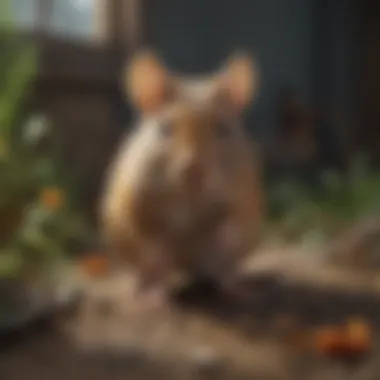

Key characteristics of sealing entry points include:
- Simple Concept: Often requires basic materials, such as caulk and steel wool.
- Cost-Effective: Steady investment in materials can prevent much larger costs of rodent problems later on.
A unique feature of sealing entry points is that it can be easily integrated into general home maintenance. A vigilant eye can help detect vulnerabilities, leading to quick measures and effective results. One downside, however, can arise from neglecting the task; a single overlooked gap could lead to renewed problems.
Proper Waste Management
Proper waste management plays an equally important role in keeping rodents at bay. Effective waste disposal decreases the likelihood of attracting rodents seeking food sources. This approach requires regular attention to household tasks that may otherwise pass unnoticed.
Key characteristics of proper waste management include:
- Routine Checks: Regular emptying of indoor and outdoor trash bins.
- Secure Storage: Using rodent-proof containers can enhance safety.
A unique aspect of this strategy is its dual benefit; not only does it mitigate rodent attraction, it also promotes general cleanliness. The downside is that it can require consistent diligence, which may not suit every lifestyle. However, the benefits of a clean environment far outweigh the minimal inconvenience.
Environmental Considerations
Understanding the environmental implications of rodent poisons is crucial, especially as many households aim for a balanced ecosystem. The choices made by consumers in using rodent control method can reverberate through the environment. When one opts for certain types of rodent poisons, it can impact not only the targeted rodents but also myriad non-target species such as birds, pets, and beneficial insects. This section will delve into both the impact of rodent poisons on ecosystems and ways to promote biodiversity through safer practices.
Impact of Rodent Poisons on Ecosystems
Rodent poisons, while effective at reducing pest populations, often come with unintentional consequences. Many of these poisons travel through the food chain, affecting not just the immediate target but also creatures that feed on them. For instance, when an owl or a hawk consumes an affected rodent, they may suffer from secondary poisoning. This ripple effect can lead to a decline in predator populations, thereby disrupting local ecosystems.
In urban areas, the use of anticoagulant poisons could mean that the local food web suffers. This type of poison works by causing internal bleeding, which can lead to a slow, painful death for the rodent and makes it more susceptible to predation, showing how poisoning cascades through the environment. In addition to harming wildlife, these poisons can also find their way into water tables, posing a risk to marine life and contaminating drinking water.
- Key Considerations:
- Always be mindful of where you place baits; do not place near water sources.
- Opt for rodent control methods with minimal secondary poisoning risks, such as snap traps.
- Educate others on the potential unintended impacts of rodent poisons to promote more responsible use.
Promoting Biodiversity through Safe Practices
Adopting safer practices not only benefits the target species but also enhances biodiversity in our communities. Simple steps can lead to substantial changes in preserving local wildlife.
- Education: Become familiar with non-toxic alternatives, which can include natural deterrents such as peppermint oil or ultrasonic repellers. Knowing these alternatives can enable more environmentally friendly choices.
- Exclusion Techniques: Sealing entry points and maintaining a clean environment can significantly reduce rodent infestations. Keeping food stored properly and trash secured also aids in discouraging rodents from entering your home, negating the need for harmful poisons.
- Community Involvement: Participating in local wildlife initiatives contributes to a broader positive impact. Engage with local environmental groups, and consider sharing knowledge about eco-friendly rodent control with your community, planting the seeds for a safer environment.
"Every small action contributes to the broader picture of our ecosystem. By making wise choices, we can protect local wildlife while achieving our pest control needs."
By taking these considerations to heart, homeowners can create a chain reaction of smart rodent management practices that prioritize not only home safety but ecological harmony. This creates an opportunity for communities to showcase how sensible decisions lead to thriving ecosystems.
Future Trends in Rodent Control
As society grapples with the persistent challenge of rodent infestations, staying ahead of the curve in rodent control strategies is crucial. The intersection of technology, ecology, and policy presents exciting possibilities to enhance the effectiveness of pest management measures while ensuring the safety of non-target species and the environment. Understanding these future trends equips housewives and homeowners with valuable insights to make informed decisions about rodent control.
Innovations in Rodent Management Technology
The role of technology in modern rodent management cannot be overstated. Recent innovations showcase a shift toward more humane and environmentally friendly solutions. For instance, smart traps equipped with sensors can detect rodent activity and send alerts to homeowners’ smartphones. This reduces unnecessary checks on traps and also minimizes the risks associated with poison use, as it enables timely and precise responses.
In addition, advancements in bait formulations and delivery systems have resulted in products that are not only more effective but safer for the surrounding area. Contained bait stations release smaller amounts of poison, significantly reducing the chance of accidental ingestion by pets or non-target wildlife.
Moreover, the integration of data analytics helps comprehend rodent behavior patterns, aiding in targeted control measures. By understanding their movements, households can anticipate issues before they escalate into full-blown infestations.
“Incorporating technological advancements in pest control not only increases efficacy but also aligns with environmentally-conscious practices, a win-win for both houses and the planet.”
Public Policy Changes and Their Implications
Public policy plays a pivotal role in shaping the landscape of rodent control practices. With increasing awareness around environmental preservation, many regions are revisiting regulations surrounding wildlife protection and pesticide usage. Policies that promote the reduction of rodenticides, especially neurotoxic ones, encourage homeowners to explore and adopt safer alternatives.
Recent legislative movements are encouraging communities to engage more in Integrated Pest Management (IPM) strategies. IPM focuses on prevention, monitoring, and control strategies that mitigate rodent issues without relying solely on chemical interventions. This holistic approach not only addresses rodent problems but also nurtures healthier ecosystems by lowering chemical runoff and ensuring biodiversity.
Additionally, educational initiatives targeted at the community level inform residents about best practices in waste management and rodent-proofing homes. Informed homeowners are more likely to take proactive measures, which significantly reduces the reliance on poses and traps.
In sum, the intertwining of technology and evolving public policies points toward a future where rodent management becomes more sustainable and aligned with environmental values. For households eager to keep their spaces safe and healthy, embracing these trends can transform how rodent problems are addressed.
Ending
When it comes to the subject of rodent control, wrapping up with the right conclusion can set the tone for how seriously the information is taken. This article has created a roadmap to understanding the intricacies involved in safe rodent poison practices, regulations, and alternatives. Highlighting a few key elements stretches from recognizing the problems posed by rodents to choosing appropriate solutions that mitigate environmental hazards.
Summarizing key takeaways is essential. First, understanding the types of rodent poisons available lays the foundation for making informed choices. The differences in mechanisms—like anticoagulants versus neurotoxics—bring different levels of risks. Consumer awareness surrounding toxicity levels and the potential impact on non-target species cannot be overstated. It’s crucial to read labels scrupulously and understand safety instructions.
The environmental implications of rodent poisons signal the need to tread carefully. It's not just about addressing the immediate problem of rodent invasions; it’s about preserving the ecosystem for future generations.
Encouraging responsible practices serves as the final note in this disquisition. Making room for alternative approaches like trapping or exclusion gives homeowners a well-rounded arsenal against pest invasions. By adopting these methods, consumers can play an active role in reducing harm towards other species and contribute to promoting biodiversity. Embracing innovations in technology and staying updated on public policy changes can further enhance the effectiveness of these strategies.
In summation, as families navigate the realm of rodent control, it’s imperative to remain conscientious and responsible. Thoughtful reflection on each component discussed in the article can lead to informed decisions that benefit not only the household but the environment as a whole.