
Effective Strategies for Deterring Garden Snakes
Preventive Pest Control Strategies
Dealing with garden snakes often starts with a focus on preventing pests that attract them. Snakes are known for hunting rodents and insects, making it vital to manage these pests effectively. Here are some key strategies to consider:
House Exterior Protection
Protecting the exterior of your home is crucial. Sealing cracks is one of the most effective methods. Pay special attention to gaps around windows and doors. These areas can be easily overlooked but serve as entry points for pests. Furthermore, keep the area clear of debris. Leaves, wood piles, or any clutter can provide shelter for snakes and their prey.
Preventing pest access is equally important. Check your screens for holes. Ensuring all entry points are sealed can reduce pest presence.
Yard Maintenance
A well-maintained yard deters snakes by reducing pest populations. Regular mowing, trimming, and maintenance keep your garden tidy. This environment is less appealing for both snakes and their prey.
Yard care also involves removing standing water. This limits moisture, making conditions less favorable for pests. Using natural repellents can help in keeping away unwanted visitors.
Indoor Cleanliness
Extending pest control inside is equally essential. Keep indoor spaces clean and decluttered. Many pests thrive in messy environments. Focus on kitchen and pantry areas where food is stored and easily accessible.
Employing expert cleaning techniques will assist in maintaining a pest-resistant environment. Use vacuum cleaners regularly to keep dust and crumbs at bay.
Garbage Disposal
The way garbage is disposed affects pest problems. Use efficient waste disposal methods to ensure trash is not left exposed. Sealed containers keep pests away and reduce scents that may attract them. Laundry should also be done frequently, as dirty items can attract various pests.
Proper garbage disposal directly impacts the presence of snakes around your home. Dispose of organic waste appropriately to limit food sources for rodents, which in turn lessens snake sightings.
Other Pest Prevention Strategies
Consider innovative ways to safeguard your home. For instance, using motion sensor lights can deter nocturnal pests and snakes. Additionally, planting specific plants like marigolds can help repel unwanted creatures.
Incorporating these preventive pest control strategies is fundamental to minimizing the likelihood of having snakes in your garden. By creating an environment that isn’t inviting to pests, you also create a less attractive environment for snakes.
"A proactive approach to pest management is the best defense against unwanted wildlife."
By following the suggested strategies, you can effectively reduce the occurrence of garden snakes, and thus enhance the enjoyment of your outdoor space.
Understanding Garden Snakes
Understanding garden snakes is essential for homeowners looking to manage and deter these creatures effectively. Awareness of snake species, their behaviors, and ecological roles provides a better foundation for making informed decisions about how to handle their presence in residential gardens. This section will delve into the different types of garden snakes commonly encountered, their habitat preferences, and the important ecological benefits they bring.
Types of Garden Snakes
Garden snakes, often referred to as non-venomous snakes, can vary significantly in type and appearance based on their geographical location. Common garden snakes include the Garter Snake, Rat Snake, and Blind Snake. Each of these species has unique characteristics that may influence their behavior in gardens. For instance, the Garter Snake is known for its slender body and ability to thrive in various temperatures. Rat Snakes are typically larger, often preying on rodents, while Blind Snakes are small and burrow in soil.
Knowing the specific types of garden snakes that may invade your property is crucial. Misidentification can lead to unnecessary alarm or ineffective deterrence strategies. Some snakes may even be beneficial as they help control pest populations.
Behavior and Habitat Preferences
Snakes generally exhibit fascinating behavior and inhabit regions that provide them with adequate food and shelter. Many garden snakes prefer environments with cover, such as dense vegetation, rocks, and piles of leaves. Understanding these preferences can significantly aid in managing their presence.
During warmer months, snakes may be more active, especially in the mornings and late afternoons. They require warmth to function properly. A garden design that offers sunny spots alongside shaded areas can potentially attract snakes. Homeowners should be aware of such preferences, as neglecting them may draw snakes closer to residential spaces. Removing debris and keeping grass trimmed short can make your garden less appealing to snakes.
Ecological Benefits of Snakes
The existence of snakes is not merely a nuisance; they play a critical role in the ecosystem. Snakes help maintain balance by regulating species such as rodents and insects. Their predatory nature contributes to controlling pest populations, which can benefit gardens significantly. By deterring common pests, they help limit plant damage and reduce the need for chemical pesticides.
"Snakes are an integral part of the natural balance, ensuring a healthy ecosystem by regulating populations of smaller animals."


The Importance of Deterrence
Deterring garden snakes is an essential aspect of maintaining a safe and enjoyable residential environment. It goes beyond mere fear of these reptiles; understanding the role of deterrence reveals its broader implications for ecosystem balance and human interactions with nature. When homeowners prioritize effective snake deterrence, they create an environment where both human activity and wildlife can coexist without conflict.
Risks Associated with Snakes
While many garden snakes are harmless, some species pose risks that warrant concern. Encounters with snakes can result in anxiety and fear among residents, especially those with young children or pets. Additionally, certain snakes may carry parasites or diseases that could affect both humans and domestic animals. For example, venomous snakes can deliver bites resulting in significant health complications.
Households must remain vigilant about the types of snakes in their area. Identifying known species can help in understanding their behavior and habitat needs. Being aware of potential risks leads to implementing appropriate deterrents, which can significantly reduce the likelihood of unwanted encounters.
Why Deterrence Rather than Elimination
Eliminating snakes entirely from a garden is neither practical nor ethically sound. Snakes are a crucial part of the local ecosystem, contributing to pest control by preying on rodents and insects. Instead of elimination, effective deterrence allows for a harmonious balance.
Deterrent methods focus on making environments less appealing for snakes without harming them.
- Ecosystem Preservation: By using deterrence, homeowners support the ecological web, allowing beneficial snakes to thrive while reducing encounters.
- Humane Approach: Deterrence aligns with ethical standards, promoting humane methods that do not involve harming wildlife.
- Sustainable Solutions: Many deterrence strategies, like environmental modifications or natural barriers, create long-term solutions rather than short-term fixes.
Overall, prioritizing the importance of deterrence over elimination helps maintain ecological integrity while ensuring safety for all.
"Deterrence strategies allow for coexistence rather than conflict, promoting a healthier environment for residents and wildlife alike."
In summary, understanding the risks associated with snakes and the reasons to favor deterrence not elimination is vital. These considerations provide a foundation for implementing effective snake deterrence strategies that protect homes while respecting nature.
Natural Deterrents
Natural deterrents play a pivotal role in maintaining a snake-free garden environment. These methods not only provide effective means to deter snakes but also align with an environmentally friendly approach. Choosing natural solutions can mitigate negative impacts on local ecosystems. Understanding the elements, benefits, and considerations for employing natural deterrents can significantly enhance your garden's safety and enjoyment.
Plants That Deter Snakes
Certain plants have long been recognized for their ability to deter snakes. Marigold, for example, emits a strong scent that many snakes find unpleasant. This makes it a favored choice for homeowners seeking to create a less inviting atmosphere for snakes. Other plants, such as Spanish lavender and garlic, are also noted for their repellent qualities.
When selecting plants, consider those native to your region. They often require less maintenance while naturally resisting pests and potentially deterring snakes. The effects of these plants change with the seasons, so it’s wise to assess your garden at different times of the year to maintain optimal deterrence.
Essential Oils as Repellents
Essential oils have gained popularity as effective snake repellents. Oils such as cinnamon, clove, and peppermint emit strong fragrances that can disorient snakes, prompting them to flee. Applying these oils in concentrated areas, especially around garden borders and entry points to your yard, can create a barrier for unwelcome visitors.
To use essential oils, dilute a few drops in water and spray the solution in strategic locations. This method is cost-effective and, importantly, safe for both children and pets. Regular reapplication is necessary, especially after rainfall, for maximum effectiveness.
Homemade Repellent Solutions
Creating homemade repellent solutions is a practical approach for homeowners looking to manage snake activity. One popular recipe combines vinegar and water in equal parts. This mixture can be sprayed around the perimeter of your garden to deter snakes from entering.
Similarly, mixing hot pepper flakes with water and a small amount of dish soap can serve as a potent snake repellent. The strong scent and taste deter many snakes while not harming the plants. It is essential to apply these mixtures consistently to maintain their effectiveness.
Monitor your garden after applying these solutions to gauge success and make adjustments as needed. Using combinations of these natural deterrents can increase their overall effectiveness, ensuring a more comprehensive approach to keeping snakes at bay.
"Natural methods of snake deterrence capitalize on the ecological balance while ensuring a safe environment for humans and wildlife alike."
In summary, integrating natural deterrents into your gardening strategy can yield substantial benefits. They help maintain garden aesthetics while providing a humane means to repel snakes effectively.
Artificial Deterrents
Artificial deterrents serve as an essential component in the overall strategy for managing garden snakes. These methods offer a more direct approach compared to natural deterrents and often provide immediate results. The use of artificial products and devices allows homeowners to create a controlled environment, making it less appealing for snakes to frequent specific areas. Understanding the various types of artificial deterrents available can help tailor a plan that meets the needs of any particular household.
Commercial Repellent Products
Commercial repellent products play a significant role in discouraging snakes from entering gardens. These products typically contain specific chemicals designed to create unfavorable conditions for snakes. Some well-known brands include Snake-A-Way and Havahart Snake Repellent. It is important to carefully read product labels to ensure they are non-toxic to pets and humans.
- Active Ingredients: Many products contain ingredients such as naphthalene or sulfur, both known for their snake-repelling properties.
- Application: Application methods vary; some repel snakes through granules, while others are in spray form. User instructions should be followed diligently, as improper application could lead to reduced effectiveness.


Despite the convenience of these repellents, results may vary depending on external factors such as climate and snake species prevalent in the area. Regular reapplication may be needed for sustained results, especially after rain or heavy watering.
Motion Detectors and Noise Makers
Utilizing motion detectors and noise makers can effectively frighten away snakes. These devices operate on the principle of startling snakes, making the environment uncomfortable for them. Motion-activated devices can include:
- Ultrasonic Repellers: These emit sounds that are unpleasant to snakes and geared toward minimizing their presence.
- Warning Sounds: Simple noise-makers that create sudden sounds can also serve to disturb snakes, prompting them to flee.
Setting up these devices requires some planning. Specific locations should be identified where snake activity is frequent. Moreover, ensuring the devices are properly calibrated will maximize their deterrent effect. The use of sound and motion creates an unpredictable atmosphere which snakes typically avoid.
Barriers and Fencing Options
Implementing physical barriers is a practical strategy in reducing snake access to gardens. While barriers may require an initial investment, they offer lasting protection. Some options include:
- Wire Fencing: Installing a wire fence that is at least 3 feet high and buried a foot underground can effectively deter snakes.
- Solid Walls: In some cases, constructing solid walls can provide a more permanent solution. These should, however, be smooth and without gaps that snakes could exploit.
- Natural Barriers: Consider incorporating features like thick shrubs or gravel zones around garden perimeters. These can dissuade snake movement and reduce hiding spaces.
Blockquote: "Physical barriers are one of the most reliable methods for controlling snake access to your outdoor spaces."
Environmental Modifications
In managing garden snake populations effectively, environmental modifications serve as a crucial strategy. It involves adjusting the surroundings to discourage snakes from taking up residence. This can lead to significant long-term benefits. When gardens are less appealing to snakes, homeowners can achieve a sense of safety. Furthermore, these modifications often enhance the overall aesthetics and functionality of a garden.
Landscaping for Snake Deterrence
One fundamental aspect involves landscaping choices. Certain plants can either attract or repel snakes. To deter garden snakes, opt for dense, thorny shrubs or low-growing ground cover such as prickly bushes. These plants can create barriers that make it difficult for snakes to enter certain areas.
Maintaining a clean garden is equally important. This means reducing clutter and avoiding tall grass, which provides cover for snakes. Regularly mowing lawns and clearing away debris can eliminate hiding spots. Additionally, keep any compost or wood piles well within the confines of organized storage to minimize habitat opportunities for snakes.
"A well-kept garden not only looks good but also acts as a barrier against snakes."
Homeowners may also consider implementing various layout techniques in their landscaping design. Examples include creating winding pathways or stepping stones well separated from areas with dense vegetation. This creates visual barriers. Moreover, adding gravel or mulch around the garden perimeter can also make it less attractive as a habitat. It disrupts the crawling surfaces snakes might prefer.
Habitat Reduction Techniques
Another essential strategy is habitat reduction. This approach centers on eliminating resources that snakes need to survive. Start by assessing your property for potential spots that attract snakes. Places such as stagnant water bodies, messy sheds, or unchecked tall grass should be prioritized in cleanup efforts.
Implementing physical barriers is a practical method for habitat reduction. Fencing can be particularly effective when done correctly. An ideal fence should be buried at least a foot into the ground to prevent snakes from burrowing underneath. Furthermore, the fence must be constructed of a solid material and reach a height of around four feet to deter climbing species.
You can also consider removing potential food sources around your home. Rodents are a primary prey for most garden snakes. By addressing issues such as overflowing bird feeders or trash, you can limit snakes' chances of finding food nearby. Active pest control measures should accompany this to eliminate rodent populations.
By employing these principles of landscaping and habitat modification, homeowners can create a less inviting environment for garden snakes. This ultimately protects both family and pets from potential encounters.
Behavioral Considerations
Understanding the behavior of garden snakes is crucial for creating effective deterrent strategies. Snakes, however misunderstood, play a vital role in our ecosystem. They contribute to the balance of nature by controlling rodent populations. Yet, homeowners often seek to limit their presence due to fear or misunderstanding. By analyzing specific behavior patterns, one can implement targeted deterrence methods. Recognizing that snakes typically choose habitats based on their needs for shelter and food can help us craft environments less inviting to them.
Understanding Snake Behavior for Better Deterrence
Snakes exhibit distinct behaviors that influence where they live and how they interact with their surroundings. For instance, many garden snakes are non-aggressive and prefer to avoid confrontation. They often flee when approached. Understanding this can assist in reducing anxiety around their presence. To effectively deter them, one can focus on removing factors that attract them to a garden or yard.
While identifying areas where snakes might be hiding, it is essential to note the preferred environment of various species. Cluttered spaces, tall grass, and excessive moisture often attract snakes. Therefore, homeowners should keep gardens tidy and maintain a dry landscape. This is accomplished by regularly mowing the lawn, clearing debris, and using mulch sparingly. Furthermore, providing adequate fencing around gardens can prevent snakes from entering the area in the first place.
"Understanding snake behavior allows homeowners to create an environment that is less attractive and more hostile to these reptiles."
Seasonal Variations in Snake Activity
Seasonal changes significantly affect snake behavior and activity levels. During spring, snakes are emerging from hibernation and are typically more active. This is the time when they search for food and mates. Observing these seasonal shifts can inform the timing for implementing deterrent strategies. For example, to maximize effectiveness, homeowners may wish to clear their gardens and apply repellents in early spring.
In summer, snakes can still be active, but they may spend more time hidden during the hotter parts of the day. Understanding this helps in planning garden activities. The fall brings another heightened season of activity as snakes prepare for winter. This can include seeking out warmer areas, which might lead them closer to homes. Recognizing these patterns can aid in adjusting strategies as the seasons change.
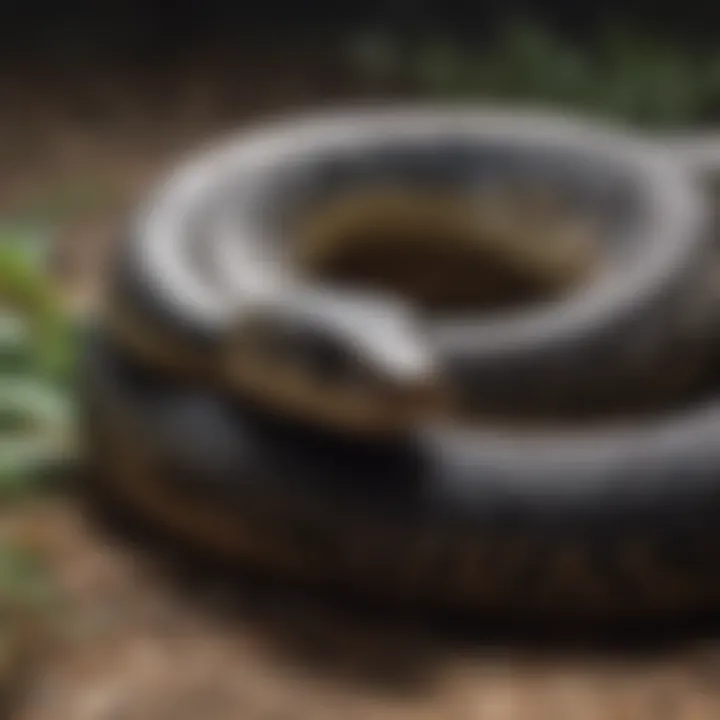
By focusing on these behavioral patterns, homeowners can establish a proactive approach to snake deterrence.
Regulatory and Ethical Considerations
The management of snake populations in residential areas involves more than just practical techniques. It is crucial to address regulatory and ethical considerations when implementing snake deterrent strategies. Compliance with local laws is essential, not only to avoid penalties but also to uphold community standards related to wildlife management. Furthermore, the ethical treatment of animals must guide homeowners in their approaches, promoting humane methods that reflect a commitment to environmental balance.
Local Laws Regarding Snake Deterrence
Before taking any action against garden snakes, it is important for homeowners to understand local regulations. Many regions have laws that protect certain snake species, particularly if they are native or endangered. Engaging in practices that harm these species can lead to legal consequences. In some areas, the use of poisons or traps that inflict suffering is strictly prohibited.
To avoid conflicts with the law, individuals should:
- Research local wildlife regulations: This may include visiting city or municipal websites that outline laws regarding wildlife conservation.
- Consult with local wildlife agencies: These organizations can provide guidance on effective and legal practices for snake deterrence.
- Stay informed about changes: As regulations evolve, keeping abreast of the latest policies, such as those regarding certain snakes protected under law, is vital.
Humane Methods of Deterrence
In alignment with ethical considerations, the emphasis on humane methods of snake deterrence cannot be overstated. It is possible to protect homes and gardens from snakes while respecting their role in the ecosystem. Adopting humane strategies minimizes harm to these reptiles, mitigating risks and fostering coexistence.
Some humane deterrence methods to consider include:
- Natural repellents: Utilizing essential oils like peppermint or cinnamon can deter snakes without harming them.
- Environmental modifications: Keeping gardens tidy by removing debris can limit hiding spots, making environments less inviting for snakes.
- Physical barriers: Creating fences or using fine mesh can effectively keep snakes out without causing them any harm.
"Humane snake deterrence not only aligns with ethical standards but also reflects a responsible approach towards wildlife management."
Ultimately, adhering to local regulations and choosing humane methods contributes to a healthy ecosystem while successfully addressing concerns about garden snakes. By prioritizing these considerations, homeowners can enjoy their gardens without unnecessary conflict with wildlife.
Monitoring Effectiveness of Deterrents
Monitoring the effectiveness of snake deterrents is crucial for maintaining a garden environment that is both comfortable and safe. Understanding if the strategies employed are working can help homeowners adjust their approaches, ensuring the most efficient use of resources and time. This section outlines the significance of monitoring, practical metrics for assessment, and considerations for homeowners.
By closely observing garden areas where deterrents are in place, individuals can gauge their success in repelling snakes. If certain methods lead to noticeable decreases in snake sightings or encounters, it can confirm their effectiveness. Conversely, if snakes continue to appear, it indicates a need for modifications.
Assessing Success Rates
To assess success rates effectively, it is important to keep track of specific variables. Homeowners can begin by identifying snake activity before implementing deterrents. This initial assessment should include:
- Frequency of Sightings: Document how often snakes are seen in the garden area. Record dates and times for more accurate data.
- Types of Snakes: Note the species if identifiable. This information can guide further actions based on particular preferences.
- Location of Sightings: Mark where in the garden snakes are seen most frequently, helping to address specific areas.
- Environmental Conditions: Weather and seasonal conditions can influence snake behavior. Keeping a log of this aspect allows for more insightful analysis.
After implementing deterrent measures, it's valuable to conduct follow-up assessments in similar ways to determine changes in success rates. If a deterrent method shows at least a 30-50% reduction in sightings within a month, it can usually be deemed effective.
Adjusting Strategies Based on Observations
The next step after monitoring is adjusting strategies based on what is observed. If certain deterrents are not yielding the expected results, it is vital to switch tactics. Here are some methods to consider:
- Increase the Frequency of Application: For natural and artificial repellents, ensure regular application to maintain effectiveness.
- Change Locations of Barriers: Move fences or other barriers to more strategic positions based on snake movement patterns.
- Experiment with Different Deterrents: If one method fails, trying a different plant or repellent could prove beneficial.
- Evaluate Landscaping Choices: Adjust landscaping to minimize potential habitats for snakes. Removing debris and ensuring less dense foliage may help reduce snake presence.
"Tracking the performance of snake deterrents is not just about using products; it's about understanding the dynamics of your specific garden's ecology."
Culmination
In the broad context of garden management, understanding the effective strategies to deter garden snakes stands as a crucial topic. Since snakes play a significant ecological role, balancing deterrence with humane treatment is vital. A focus on summarizing effective practices can provide homeowners a feasible pathway to coexistence with these reptiles while minimizing potential conflicts.
Summary of Effective Practices
To successfully manage garden snakes, several effective practices should be emphasized:
- Utilizing Natural Deterrents: Incorporating certain plants like marigolds, or employing essential oils such as cinnamon or clove can create environments that are less attractive to snakes.
- Maintaining Cleanliness: Reducing clutter in the garden helps eliminate hiding spots. Regular maintenance of the yard is essential to discourage snakes from taking up residence.
- Installing Barriers: Creating fences that are buried a few inches underground can effectively keep snakes out. Using appropriately designed barriers can minimize encounters.
- Monitoring and Adjusting: Observing the effectiveness of established deterrents allows one to adapt strategies. Making changes based on observed behaviors can enhance overall efficacy.
"Effective garden management requires a nuanced understanding of ecological balance alongside practical strategies to deter unwanted wildlife."
These practices not only reduce the likelihood of snake encounters but also support an environment conducive to beneficial wildlife.
Future of Snake Deterrence Research
Looking ahead, the field of snake deterrence research is likely to evolve, focusing on innovative solutions that respect wildlife while addressing human concerns.
- Novel Repellent Formulations: Continued research into more effective natural and chemical repellents could yield new options for homeowners. Studies exploring combinations of essential oils may reveal particularly potent mixtures.
- Understanding Behavioral Patterns: Research into snake behavior can uncover new insights. Investigating seasonality and habitat preferences allows for tailored deterrent strategies.
- Impact of Climate Change: Another area of interest could involve how climate change affects snake populations and behavior. This understanding may inform future gardening practices to deter snakes effectively.