Effective Strategies to Deter Wasps from Your Home


Preventive Pest Control Strategies
Keeping your home free from wasps requires careful planning and a bit of elbow grease. The key lies in employing a variety of strategies that deter these unwelcome guests before they even think about making your space their own. Let's dive into some effective preventive measures.
House Exterior Protection
A well-maintained house exterior can be your first line of defense against wasps. Here are a few tips that pack quite the punch:
- Sealing Cracks: Inspect the outside of your home. Look for gaps around windows, doors, and even the areas where utility pipes enter your walls. A simple caulk or sealant can work wonders to keep wasps from finding a ticket into your abode.
- Clearing Debris: Wasps love clutter. Take a bit of time every week to remove old furniture, piles of leaves, or any leftover wood. This cleanup isn't just for looks; it makes your yard less appealing to these pests.
- Preventing Pests from Entering: Installing screens on windows and doors can be a game-changer. Make sure your screens don’t have any holes. Wasps are sneaky and will exploit any weakness they find.
Yard Maintenance
Keeping your yard clean and well-maintained is crucial for discouraging wasps.
- Essential Yard Care Routines: Mow the lawn regularly and trim overgrown shrubs. This not only improves the aesthetics of your yard but also reduces places for wasps to hide.
- Methods for Keeping Yard Pest-Free: Consider planting wasp-repellent plants like mint or citronella. These natural deterrents may keep them at a distance.
Indoor Cleanliness
A spotless home can be less inviting to wasps and other pests.
- Expert Cleaning Tips and Techniques: Regularly clean countertops, particularly in kitchens where food scraps can attract pests. Don’t forget to vacuum and clean under appliances too.
- Maintaining a Pest-Resistant Indoor Environment: Store food in airtight containers and ensure your garbage cans are tightly closed. It's all about making your indoor setting an unattractive spot for these invaders.
Garbage Disposal
Your waste disposal routine can play a big role in keeping wasps at bay.
- Efficient Waste Disposal Methods: Regularly take out the trash and avoid leaving garbage bags outside for long periods. The less temptation you leave, the less likely they'll intrude.
- Importance of Proper Garbage Disposal: A well-maintained compost bin, if you have one, should be kept covered. This will prevent wasps from flocking to easily accessible food sources.
Other Pest Prevention Strategies
There are also innovative tactics worth considering.
- Employing a decoy nest can discourage wasps from setting up camp near your home. Wasps are territorial and will shy away when they think another hive is nearby.
- Creating a diverse environment in your yard with various plants and flowers can promote beneficial insects that take care of pesky wasps naturally.
"An ounce of prevention is worth a pound of cure." This old saying rings particularly true when handling wasps.
Identifying Pest Risk Areas
Understanding the specific areas of risk around your home helps in chalking out an effective defense. Moisture and easy access points can be lurking right under your nose.
Moisture Prone Areas Inspection
- Identifying Damp Conditions: Check common moisture hotspots like crawl spaces and around water heaters. These areas can attract pests and increase the likelihood of wasp infestations.
- Tips for Preventing Infestations: Fix any leaks quickly and use dehumidifiers in areas prone to dampness.
Crack and Crevice Inspection Guide
- Importance of Inspecting Access Points: Regular inspection of your home for cracks and crevices can spot potential entry points for wasps. Don’t let these little buggers pull a fast one on you.
- Strategies for Sealing Cracks and Crevices: Caulk, foam, or weatherstripping can be applied to any gaps found. Better safe than sorry!
Greenery Inspection for Pest Risks
- Understanding Greenery's Impact on Pests: Your garden can attract not just wasps, but various pest species, if it's not well-maintained.
- Guidelines to Maintain Pest-Free Yards: Regular pruning and maintenance can keep your plants healthy and less appealing to pests.
Additional Pest Risk Areas
Don't forget about miscellaneous risk spots like attics and basements which can harbor dampness or damage that attracts pests.
In summary, taking preventive measures means a little time and effort up front can save you frustration down the line. By fortifying your home with these strategies, you'll keep those buzzing intruders away.
Understanding Wasp Behavior
To effectively manage wasp presence around your home, it's essential to start with a solid grasp of wasp behavior. Understanding the nuances of their lives plays a pivotal role in developing strategies to keep them at bay. This knowledge allows homeowners to enact preventative measures tailored to the creatures’ natural habits and preferences. Without this understanding, one might be shooting in the dark, missing the target completely.
Wasps are not just random nuisances; they come with established routines dictated by their life cycles and environmental factors. If we can tune into their behavior, we stand a better chance of keeping them from causing chaos in our outdoor spaces. This comprehension not only aids in avoidance but empowers homeowners to make informed decisions.
Life Cycle of Wasps


To appreciate how to discourage wasps, take a closer look at their life cycle. Wasps generally undergo a metamorphosis consisting of several stages: egg, larva, pupa, and adult. Understanding these stages sheds light on when they are most vulnerable and when they are at their most aggressive.
- Egg Stage: This is where it starts; queens emerge in spring to lay eggs, starting new colonies. Recognizing this peak emergence time can help in proactive measures.
- Larval Stage: Once the eggs hatch, larvae are present. During this stage, the colony is not at its peak aggressiveness. This is a chance for homeowners to minimize attractants and identify potential nests.
- Pupal Stage: This is a critical time for the larvae as they develop. They require food, which can draw more wasps into the vicinity, leading to heightened activity around human habitats.
- Adult Stage: Here comes the challenge. Adult wasps are often on the hunt for food, and as summer approaches, the colonies can become quite large, leading to more aggressive behaviors, particularly in late summer when resources dwindle.
Knowing what stage your local wasps might currently be in aids you in deciding when to reinforce preventive measures or act.
Common Species and Their Habitats
Several wasp species are commonly found, and each has its specific preferences in terms of habitat. Among these, yellow jackets, paper wasps, and hornets are the most encountered by homeowners.
- Yellow Jackets: They tend to build nests underground or in wall cavities. Their tendency to scavenge for sugary foods makes them a frequent visitor at picnics.
- Paper Wasps: These wasps prefer to create their nests in sheltered, horizontal spots like eaves or attics. They're known for their unique umbrella-shaped nests, which can be unsightly.
- Hornets: These are larger and often build nests in trees or shrubs. Hornets can be particularly aggressive if they feel threatened.
Understanding where these wasps are likely to nest provides insight into where to focus your preventive strategies. It may require checking around your property to catch these potential habitats early on.
Attraction Factors for Wasps
Several factors can entice wasps into your home environment, and recognizing these attractants is crucial. They primarily seek food, sugar, and proteins, which can come from various sources:
- Food Waste: Open trash cans, particularly those containing food remnants, will attract wasps like moths to a flame.
- Sweet Beverages: Sugary sodas or fruits left out can be a tempting draw, especially in summer months.
- Pet Food: This also draws their interest, especially if the food is left outside.
Important Note:
"Wasps are often seen as beneficial insects during the summer, but once fall creeps in, their forage leads them into our dining spaces."
Focusing on limiting these attractants and changing outdoor practices will pave your path to a wasp-free zone. By arming yourself with knowledge about when, where, and why wasps come around, you’ll be better equipped to take defensive actions against them.
Environmental Modifications
The way you organize your property can play a critical role in keeping those pesky wasps at bay. By making intentional changes to your environment, you can create conditions that are less inviting for these insects. It's all about understanding how wasps choose their habitats and what factors pull them into your living space. Environmental modifications can decrease the likelihood of wasps deciding to set up shop near your home.
Landscape Management Techniques
One of the simplest ways to prevent wasps from feeling at home in your yard is to keep the landscape tidy. Overgrown shrubs and dense vegetation can offer perfect hiding spots for their nests. Consider trimming back any wild bushes or trees and keeping your garden free from clutter.
- Keep it Clean: Regularly mow your lawn and clear away any debris such as fallen fruit, old garden furniture, or unused flowerpots. Not only does this make your garden look nice, it's less attractive for wasps too.
- Choose Wisely: When planting, opt for garden varieties that have longer bloom times, like marigolds and lavender, instead of plants that produce excessive nectar. Some flowering plants attract wasps, while others may deter them.
- Plant Barriers: Create natural barriers with dense shrubbery or consider utilizing thorny or prickly plants as a natural deterrent. Examples include hawthorn or barberry, making it uncomfortable for wasps and even some other unwanted visitors.
Outdoor Food and Waste Practices
Birdwatchers and picnickers beware: food scraps can quickly draw wasps to your area. Following proper outdoor food practices is essential in nudging them away.
- Secure Trash Bins: Ensure that your garbage cans are well-sealed. Wasps have a keen sense of smell and can sniff out accessible food from miles away. Use bins that have tight lids and are not easily rummaged through.
- Cleaning Up: After outdoor meals, make it a habit to clean up immediately. Even small crumbs can serve as an invitation. Wipe down surfaces where food was served and dispose of any wrappers, straws, or other disposables.
- Food Storage: If you're dining al fresco, store food in tightly sealed containers. Consider bringing your dinner to the table rather than leaving it out to tempt stinging visitors.
Structural Adjustments to Deter Wasp Nests
The structure of your home can also be a deciding factor in whether or not wasps decide to call it home. Taking simple measures can diminish the likelihood of them setting up shop nearby.
- Seal Gaps and Cracks: Inspect your home for any cracks or openings where wasps can gain access. Seal these spaces with caulk or foam. This acts like a barricade, preventing wasps from nesting in your eaves or behind siding.
- Remove Old Nests: Wasps are territorial and often return to previously established nests. If you notice any empty nests around your house, it's smart to remove them, but be sure to do it safely and at a suitable time of year when they are inactive.
- Use Protective Screens: Installing fine mesh screens on windows, doors, and vents can act as an effective barrier. This small step can prevent wasps from gaining access to interiors while still allowing fresh air to come through.
By making thoughtful environmental changes, the allure of your home diminishes for wasps. Safe practices and mindful landscaping can create an oasis that keeps these stingers at bay.
Natural Deterrents
In the quest to keep wasps at bay, tapping into the power of natural deterrents can be your best ally. This approach is not just about preventing these insects from invading your space; it’s about creating an environment that’s less appealing to them while sustaining the balance of your local ecosystem. Homeowners, especially those with kids or pets, can appreciate methods that are both effective and non-toxic. Natural deterrents offer both peace of mind and a chance to embrace sustainable practices.
Essential Oils and Their Effectiveness
Essential oils have gained popularity as a gentle yet effective way to deter wasps. Oils like peppermint, clove, and lemongrass are known for their pungent aromas, which are quite unappealing to these stinging insects. The effectiveness of these oils can vary, but many have found success when applied thoughtfully.
To utilize essential oils, you can create your own repellent spray. Here’s how:
- Combine water with a few drops of your chosen oil in a spray bottle.
- Shake well before spraying around your outdoor spaces, especially near entry points like doors and windows.
It's worth noting that using pure essential oil is crucial, as diluted versions in commercial products can sometimes lose their potency against pests.
"Nature knows what we require; often, the best remedies come straight from the earth."
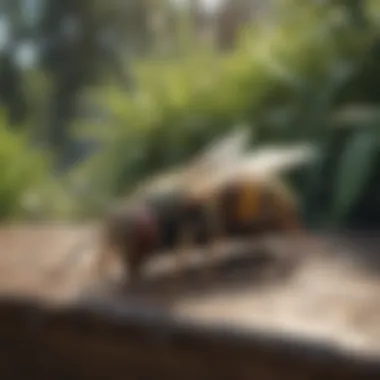
Plant Varieties that Repel Wasps
Incorporating certain plants into your garden can act as a natural barrier against wasps. Some of these plants not only serve as beautiful decorations but also emit scents that wasps find repulsive. Here are a few varieties to think about:
- Marigolds: Their vibrant color draws the eye, but the scent can keep wasps away.
- Mint: Not just for mojitos; mint can be great for repelling wasps when planted near patios.
- Basil: The strong aroma of basil is a two-for-one deal; it enhances your dishes and keeps wasps at bay.
Planting these varieties creates a more pleasant outdoor atmosphere while simultaneously putting up a natural fence against unwanted visitors.
Homemade Sprays and Solutions
If you're feeling experimental, crafting homemade sprays can be an engaging and fruitful endeavor. Many ingredients in your kitchen can double as deterring agents. For instance, a vinegar and water solution not only keeps your surfaces clean but can discourage wasps when sprayed around the areas they frequent. Here’s a simple recipe:
- Combine equal parts water and vinegar in a spray bottle.
- Add a splash of dish soap to break down any wasp wax.
- Spray it generously around areas prone to wasp activity.
Another idea is to steep citrus peels in water overnight; the strong scent of citrus acts as a natural repellent. Just strain and spray!
Natural deterrents shine as practical solutions for homeowners aiming to enjoy their outdoor spaces without the worry of wasp encounters. By utilizing natural ingredients and plants, you can establish effective strategies that work with nature rather than against it.
Commercial Repellent Options
When it comes to keeping wasps at bay, commercial repellent options play a pivotal role. Many homeowners feel apprehensive when dealing with these stinging creatures, and understandably so. Wasps can be aggressive, especially if their nests are disturbed. That’s where these products come in, offering a variety of ways to keep your outdoor spaces more enjoyable and safe.
Overview of Available Products
The market today is brimming with products specifically designed to deter or repel wasps. Here's a rundown of the most commonly available types:
- Aerosol Sprays: These are immediate solutions for direct confrontation. They typically offer a long-range spray, allowing you to maintain a safe distance from wasps while applying the repellent. Brands like Raid and Ortho provide several options.
- Granular Insecticides: These can be sprinkled around plants or areas where you suspect wasp activity. While not a direct repellent, they serve as a deterrent by eliminating wasps that venture too close. Sevin is a well-known example of this.
- Liquid Repellents: Products such as Diatomaceous Earth or specially formulated oils can be diluted and sprayed around utility areas or gardens. They create a barrier that wasps typically avoid.
- Trap Kits: These are another handy alternative. Kits often attract wasps using bait and trap them inside. While they aren’t technically a repellent, they do help manage populations. Popular options include the RESCUE! Wasp Trap.
Comparative Effectiveness and Safety Concerns
While various commercial products are readily accessible, weighing their effectiveness against safety concerns is crucial.
Effectiveness: The response can vary significantly based on the product and the specific wasp species you are dealing with. Aerosol sprays typically have immediate results but may not offer long-term solutions. Notably, granular insecticides might take time to work but can effectively reduce wasp populations over several days.
Safety Concerns: One can't overlook the safety aspect. Many of the chemical-based repellents possess active ingredients that, while effective against wasps, may pose risks to pets or beneficial insects. Always read labels carefully and consider non-toxic options where possible.
"It’s essential to choose remedies that align with your values, especially if you’re concerned about ecological impact."
When using any commercial repellent, it's smart to wear protective clothing and to apply products during early morning or late evening when wasps are less active. Monitoring the area afterward helps ensure that the methods employed are making a noticeable difference.
Behavioral Adjustments Around Wasps
Understanding how to behave when wasps are around is key to enjoying outdoor spaces without the constant worry of getting stung. Behavioral adjustments can significantly reduce the likelihood of attracting these insects and help you stay safe while outdoors. It’s all about making smart choices that discourage wasps from wanting to visit your area.
Safe Practices for Outdoor Activities
Engaging in outdoor activities calls for a few careful considerations. Not only can wasps be a nuisance, but they can also pose a risk of stings, especially for those allergic to their venom. When enjoying events like barbecues, picnics, or gardening, consider the following:**
- Select the Right Time: Wasps are more active during warm months, particularly in late summer. Plan outdoor gatherings during cooler parts of the day, such as early morning or late evening when wasps are less active.
- Dress Wisely: Bright colors and floral patterns may look attractive to people but can also attract wasps. Opt for dull-colored clothing for outdoor outings.
- Stay Calm: If a wasp approaches you, remain calm and avoid swatting. Fast movements can attract them, making a peaceful coexistence challenging.
- Create a Safe Zone: Set up areas for food away from where people gather, like moving trash bins a good distance from your eating area. This reduces the chances of wasps swooping in on your fondness for snacks.
Minimizing Allure of Food and Drinks
Food is a strong magnet for wasps. Unfortunately, when they smell scrumptious treats, they're bound to show up uninvited. Therefore, to keep them at bay, it’s essential to take precautions:
- Cover Food and Beverages: Always keep food covered when you're not serving it. Use food tents or bowls with lids to protect items from curious wasps.
- Select Food Wisely: Consider steering clear of sugary foods, particularly soda, fruit, and desserts, which can lure wasps. Instead, focus on savory options that may be less captivating for them.
- Dispose of Waste Properly: Dispose of food scraps and empty containers in sealed bags or bins immediately after your meal. Leaving remnants can create an inviting feast for wasps.
Recognizing Signs of Wasp Activity
Early identification of wasp presence can save lots of headaches later on. Familiarizing yourself with their signs helps in taking timely action to deter them. Keep an eye out for the following:
- Nesting Behavior: Watch for unusual activity around hidden nooks like eaves, attics, or sheds. Wasps often build nests in these less-disturbed locations. If you spot a nest, it’s better to take action before it grows bigger.
- Frequent Sightings: A steady stream of wasps flying to a certain area is a clear sign of a nest nearby. If you notice them buzzing around in groups, be cautious and consider your options.
- Wasp Traps: Utilize traps to monitor wasp behavior. If you find consistent catches in traps near a specific location, it could signal that you're living near a wasp nest.
Keeping an eye on wasp activity isn’t just for your peace of mind; it’s crucial for your safety as well.
By incorporating these behavioral adjustments into your outdoor routine, you reduce the chances of aggressive wasp encounters while creating a more enjoyable experience. Always remember that the goal isn’t just to avoid stings; it’s about fostering safer, stress-free outdoor experiences.

Implementing Traps and Barriers
Setting up methods to control wasp populations around your home is a pivotal component in maintaining a comfortable environment. This section explores how traps and barriers can significantly bolster your defenses against these persistent pests. Implementation of these strategies is not just effective; it ensures that we take a proactive approach rather than waiting for an invasion.
Effective Trapping Techniques
Trapping wasps is often seen as a frontline method for reducing their presence in your vicinity. Choosing the right trap can make all the difference, and there are a few options worth considering:
- Commercial Traps: Products like the Starbar Trap attract wasps with a appealing bait, luring them in for capture. These traps are designed for easy use and disposal.
- Homemade Traps: If you’re handy, creating a trap with simple household items can be effective. A plastic bottle with some sugar water inside can lure wasps. Cut the top off a two-liter soda bottle, invert it, and place it back into the base to form a funnel.
- Sticky Traps: Another option involves sticky pads that can be placed in areas where you’ve noticed wasp activity. While they don’t provide the same ecological balance as other methods, they are certainly a short-term solution.
However, when utilizing traps, it’s crucial to keep them monitored and set them away from high-traffic areas to avoid an unintentional attraction of more wasps.
Mesh and Screen Variants
Installing physical barriers is another strategy that proves profitable in deterring wasps. Screens and mesh devices not only keep insects out but also promote a breathable environment within your living spaces. Consider these options:
- Window Screens: Ensure all windows in your home are equipped with sturdy screens. Check for holes or tears, as wasps can squeeze through surprisingly tight spaces, often unnoticed until it’s too late.
- Door Screens: A screen door or magnetic screen can add a layer of defense. This not only keeps wasps on the outside but also allows fresh air to circulate freely.
- Mesh Covers: For outdoor food gatherings, using mesh food covers can shield your meals from above and keep those unexpected wasp guests at bay.
Protecting your home should be a comprehensive effort that includes trapping wasps and utilizing barriers such as screens. Regular maintenance checks are vital; just one small overlooked opening could spell trouble, allowing the tiny intruders to feast on the food you worked so hard to prepare.
Tip: Always dispose of traps properly, as unattended traps can attract even more pests over time.
By combining traps and barriers, you can achieve an ongoing strategy that not only reduces wasp populations around your home but also cultivates a more pleasant outdoor experience.
Long-term Management Strategies
Maintaining a home that’s free from wasp nuisances isn't just about quick fixes when those winged intruders buzz around. Long-term management strategies play a significant role in creating and preserving a wasp-free environment over time. The idea here is to employ methods that not only repel wasps during peak season but also establish a foundation that minimizes their reappearance.
One of the primary benefits of these strategies is sustainability. By investing time in these practices, you're not just chasing away a temporary problem but laying groundwork for the long haul. This helps to create a balance where the ecosystem is respected while ensuring that your family enjoys a comfortable living space. Here are a few critical elements to consider:
- Consistency in Practices: Regular monitoring and adaptation of strategies can drastically reduce wasp activity. As seasons change, so do wasp behaviors, necessitating shifts in your approach.
- Preventive Measures: Understanding when wasp activity peaks can help in planning how to handle your environment. For instance, as summer approaches, extra caution may be needed to deter these insects.
- Community Awareness: Sharing successful practices with neighbors can fortify defenses against wasps. If everyone in your area implements similar strategies, the likelihood of wasps seeking nests nearby diminishes.
“An ounce of prevention is worth a pound of cure.” – This old adage holds particularly true when it comes to managing wasp populations.
Seasonal Considerations and Timing
Timing is everything, especially when it comes to keeping your home wasp-free. Seasonal shifts influence wasp behavior profoundly. In spring, queens emerge and start scouting for nesting sites. During this period, it is crucial to implement proactive measures. Consider the following:
- Spring: Focus on inspecting your property for sheltered areas where wasps might choose to build nests. This could be in less frequented corners of garages or under eaves.
- Summer: This is prime wasp season. By now, nests are often fully established. Regularly check around your home for signs of nests.
- Fall: Wasps become aggressive as they search for sugary foods before winter. It's wise to limit available food sources and keep trash tightly secured.
- Winter: Although wasps are less active, it's an excellent time to prepare for the upcoming season. Inspect more extensive areas and look for any potential nesting sites that need addressing.
Continuously adapting with the changes in seasons can make a significant impact on wasp populations around your property.
Monitoring and Maintenance Practices
Once you have put your long-term strategies in place, monitoring and maintenance practices become essential to ensure these strategies remain effective. Regularly assessing your situational awareness can make or break your wasp deterrent plans. Here are some helpful pointers:
- Routine Inspections: Conduct inspections around your home every few weeks, especially during warmer months. Diligently check eaves and tree branches for nests. If found early, a nest can be more easily handled before it becomes a full-blown colony.
- Document Observations: Keep a simple journal of sightings. Record when and where you see wasp activity. Noting these trends can help identify patterns that inform your future tactics.
- Seek Community Engagement: Local forums or social media groups can provide shared insights on wasp activity particular to your area. Websites like Reddit offer discussions where you can ask questions and share experiences.
- Adjusting Strategies: Based on your observations, be flexible in your approach. If something isn’t working, don’t hesitate to mix up your techniques.
Establishing a monitoring system combined with a commitment to making adjustments as needed ensures ongoing control over wasp populations.
Overall, effective long-term management strategies, including seasonal understanding and careful monitoring, are fundamental in keeping your home a sanctuary from wasps. By being proactive and engaged in the process, you not only tackle the immediate concern but also bolster your efforts against future invasions.
Ending
As we wrap up this engrossing investigation into methods for keeping wasps at bay, it is crucial to underscore the significance of the insights we've gleaned throughout this article. Understanding these creatures and applying effective strategies not only safeguards your living space but also promotes a harmonious relationship with the environment. Efforts such as making environmental modifications can radically lessen the attraction wasps feel towards your property. Likewise, incorporating natural deterrents into your daily life can nudge these stinging insects away without resorting to harmful chemicals.
Summary of Effective Measures
In summation, several practical approaches emerge as particularly effective:
- Environmental Modifications: Adjustments in landscaping and outdoor practices can greatly reduce the likelihood of wasp infestation. Keeping food storage tight and managing waste effectively minimizes attractants.
- Natural Deterrents: Utilizing essential oils and planting specific varieties can prevent wasps from feeling at home in your garden.
- Behavioral Adjustments: Your daily habits, from food consumption outdoors to how you recognize signs of wasp activity, play a pivotal role in prevention.
- Traps and Barriers: Smart usage of traps along with physical barriers creates a proactive line of defense.
By embracing these strategies consistently, not only do you lessen the chances of wasp-related encounters, but you also cultivate tranquility around your home.
Final Thoughts on Sustainable Practices
In the final analysis, the quest to manage wasps effectively intertwines with broader sustainable practices. Opting for natural solutions not only cuts down on the chemicals that may harm beneficial insects but also creates a healthier ecosystem. Implementing these strategies shows a commitment to conscientious living, recognizing that our choices have a cascading effect on the environment.
If you explore these measures mindfully and act with deliberation, you can maintain your personal space while fostering a respect for nature. Remember, a balanced approach that incorporates proactive measures, awareness, and respect for local wildlife contributes not just to personal comfort but to the ecological health of your community. Say goodbye to the thought of aggressive measures that might disrupt this balance, and embrace a sustainable methodology that keeps wasps away without sacrificing ecological principles.
"The true measure of any society can be found in how it treats its most vulnerable members." - Mahatma Gandhi
Become a steward of your environment. The goal is to create a welcoming home, free from the pesky intrusions of wasps. With these strategies in hand, you're well-equipped to enjoy your outdoor spaces without worry.