Effective Strategies to Keep Bats Away from Homes


Intro
Bats, while often misunderstood and maligned, play a significant role in our ecosystem, particularly in pest control. However, when it comes to residential properties, they can be more than just unwelcome house guests. Homeowners may find themselves facing a conundrum when these winged creatures attempt to make their homes a permanent habitat. It’s essential to strike a balance: deterring bats without losing sight of their environmental importance.
This article delves into thoughtful strategies that can help safeguard your home while respecting the wildlife around you.
Preventive Pest Control Strategies
Taking proactive measures is the first step in keeping bats at bay. Implementing pest control strategies not only reduces the risk of bats settling in but also diminishes the chances of other pests causing trouble.
House Exterior Protection
To fend off bats, start with your home's outer shell. Sealing up points of entry is critical.
- Tips for sealing cracks: Use a high-quality, durable caulk to fill any gaps around windows, doors, and siding. Pay special attention to areas where different materials meet.
- Clearing debris: Bats often seek places to roost that provide shelter. Keep the area around your home tidy, removing any clutter that could attract them.
- Preventing pests from entering: If insects are your home's unwelcome visitors, consider installing insect screens. This discourages bats since they often come hunting for bugs.
Yard Maintenance
An unkempt yard can be an invitation to a plethora of pests, including bats. Maintenance plays a vital role in prevention.
- Essential yard care routines: Regular lawn mowing, trimming shrubs, and removing thick foliage can deter these creatures from lingering.
- Methods for keeping yard pest-free: You can introduce natural repellents like citronella plants or use predator decoys, which can discourage pests and, by extension, bats.
Indoor Cleanliness
It’s not only the outside that matters; a clean home environment is equally crucial.
- Expert cleaning tips and techniques: Vacuum regularly to eliminate food particles that might attract insects, and don’t forget hard-to-reach spaces where dust bunnies might lurk.
- Maintaining a pest-resistant indoor environment: Use airtight containers for food storage, and b e mindful of moisture levels, as traps or infestations could lead bats to your attic or basement.
Garbage Disposal
How you handle waste can greatly impact pest presence.
- Efficient waste disposal methods: Regularly dispose of trash and use bins with tight-fitting lids. This prevents pests from scavenging and subsequently attracting bats.
- Importance of proper garbage disposal: Decomposing organic matter can attract insects, and where there are insects, bats may follow.
Other Pest Prevention Strategies
Thinking outside the box is key.
- Innovative ways to safeguard your home: Consider using barrier methods, such as netting or physical obstructions, in areas where bats are likely to roost. Always ensure they are tight and secure.
Identifying Pest Risk Areas
Now that preventive strategies are in place, it’s time to identify potential risk areas throughout your property.
Moisture Prone Areas Inspection
Bats love moist environments, so addressing humidity is vital.
- Identifying damp conditions: Look for signs of leakage in basements, attics, and crawl spaces.
- Tips for preventing infestations: Ensure proper ventilation, fix leaks promptly, and consider using a dehumidifier in critical areas.
Crack and Crevice Inspection Guide
Regularly scrutinizing your property can keep bats out.
- Importance of inspecting access points: Conduct routine checks on eaves, vents, and gables for openings bats can exploit.
- Strategies for sealing cracks and crevices: Use a combination of caulk and steel wool for long-lasting barriers.
Greenery Inspection for Pest Risks
Landscaping can either be a blessing or a curse.
- Understanding greenery's impact on pests: Dense vegetation can house a variety of insects. Regular pruning can keep your yard bat-free.
- Guidelines to maintain pest-free yards: Aim to create open spaces, avoiding dense thickets where bats might find shelter.
Additional Pest Risk Areas
Keep a lookout for other hotspots.
- Consider attics, chimneys, and behind exterior wall boards as potential entry points. Regular inspections can prevent unwanted tenants.
Effective Pest Control Methods
Once you've done your homework and identified risks, it might be time to put some control methods into action.
Natural Repellents for Pest Control
Nature can be your ally in the fight against pests.
- Safe and effective natural solutions: Consider options like peppermint or eucalyptus oils. Just a few drops could help create a less appealing environment for bats.
- Use of essential oils, herbs, and plants: Planting herbs such as basil or catnip around the perimeter may discourage unwanted visitors.
Chemical Sprays for Pest Control
Sometimes, you may need an extra kick.
- Safe usage of professional sprays: Always read labels carefully, and when in doubt, opt for less toxic variants that are still effective up against the pests.
- Eradicating pests with chemical solutions: It’s key to target the life cycle of these pests effectively.
Pest Traps: Effective Pest Control Solutions
Traps are another tool at your disposal.
- Setting up and using pest traps: If you're dealing with rodents or other critters, place traps in strategic areas where you’ve noticed activity.
- Capturing and removing pests safely: Always follow manufacturers' guidelines, ensuring the safety of both the trap user and any non-target wildlife.
Biological Control Methods for Pest Prevention
It’s all about balance here.
- Using natural predators for pest management: Welcome beneficial insects into your garden, which can help keep pests down naturally.
- Environmental-friendly pest control techniques: Less reliance on harsh chemicals leads to a healthier home.
Other Pest Control Methods
Explore options beyond the traditional.
- Experiment with traps designed to exert less lethal pressure for greater safety around family and pets.
Pest Species Identification
Understanding the types of pests you might encounter is valuable for effective prevention.
Common Insects in Home Pest Control
Not all insects are created equal.
- Recognizing and managing insect infestations: Knowing specific aspects of pest habits can inform your control methods.
- Types of insects like ants, cockroaches, and spiders: They all have unique characteristics; investing some time into learning them pays off.
Identifying Rodents for Pest Prevention
Rodent invasions can lead to serious problems.
- Tips for identifying and preventing rodent invasions: Look for droppings, tracks, or gnaw marks that can signal their presence.
- Types of rodents including mice and rats: Recognizing the differences can aid in appropriate measures.
Bird Species Impacting Home Environments
Sometimes, birds can also contribute to pest problems.
- Addressing bird-related issues around the home: Bird droppings can attract other pests, and certain species may even lead to noise complaints.
- Troublesome bird species in residential areas: Identify aggressors like pigeons or sparrows, which are common nuisances.
Dealing with Wildlife on Your Property
Every now and then, you might encounter larger visitors.
- Handling wildlife encounters effectively: Knowing local wildlife laws ensures you engage correctly.
- Behavior and control measures for wildlife species: Understand typical behaviors that might lead them to your space.
Miscellaneous Pest Species Identification
Don’t overlook lesser-known pests.
- Effective pest management depends on even the smallest critters.
DIY Pest Control Techniques
Many homeowners prefer tackling pest issues themselves.
Homemade Pest Control Solutions
Economical and simple, homemade solutions can be quite effective.
- Eco-friendly homemade pest control remedies: Using vinegar or baking soda might help against certain household pests.
- Protection against pests using simple DIY methods: Focus on natural ingredients for a safer environment.
Using Essential Oils for Pest Control
For an effortless way to repel pests:
- Repelling pests naturally with essential oils: Scented oils can create an unfriendly environment for pests without harming the creatures you don’t mind.
- Creating a bug-free environment at home: A few drops in various corners could go a long way.
Effective Pest Traps and Barriers
Customize your approach to match specific pest problems.
- Setting up traps and barriers for pest control: Simple barriers can deter pest behaviors, while effective traps can keep pest populations in check.
- Controlling and preventing pest infestations: Stay vigilant and be proactive, as addressing an issue at its inception often yields best results.
Top Reputable Pest Control Brands
While DIY solutions are all well and good, many brands have earned a solid reputation.
- Products for home pest management from trusted brands: Research options before buying, ensuring the products suit your specific needs.
- Safeguarding your home with effective solutions: Check reviews and ratings before making a purchase.
Miscellaneous DIY Pest Control Techniques
Unique methods can sometimes surprise you.
- Think creatively, use unexpected ingredients, and find what works best for your situation.
Remember, strategies are most effective when tailored to your unique environment. Assessment and action can lead to a harmonious living space.
Understanding Bats and Their Habits
Understanding the behavioral and ecological characteristics of bats is essential for homeowners looking to deter these creatures from their properties. Bats play a vital role in the ecosystem, primarily through insect control, pollination, and seed dispersal. However, when they roost in residential areas, they can pose health risks, potential property damage, and overall discomfort. Thus, grasping the nuances of bat behavior can significantly aid in creating effective prevention strategies.
Species Overview
Bats are a diverse group, comprising over 1,300 species worldwide. In North America, common varieties include the little brown bat, big brown bat, and the Mexican free-tailed bat. Understanding the species that are prevalent in your region helps tailor deterrent methods effectively. For instance, the little brown bat is known for its ability to thrive in residential structures, often nesting in attics or wall cavities. Each type of bat has unique habits and preferences regarding roosting sites and feeding behaviors.
Behavioral Patterns
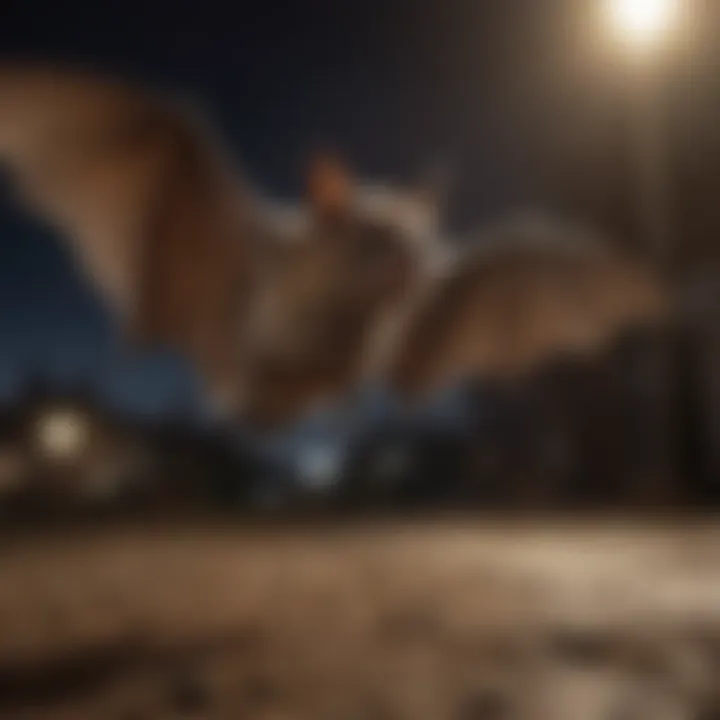
Bats are nocturnal, meaning they are most active during the night. They use echolocation to navigate and hunt for insects, which makes them intriguing but also a challenge for homeowners. They often return to the same roosting spots annually, so if they've found a snug place to settle in your home, they may not easily abandon it without proper intervention.
Additionally, bats often congregate in large numbers, particularly during the mating season. One might notice the presence of bat colonies increasing during late spring and early summer. Understanding these patterns allows homeowners to predict when these creatures might become an issue and plan their deterrent strategies accordingly.
Breeding and Roosting Preferences
Bats favor sheltered locations that provide warmth, humidity, and protection from predators. They often choose attics, barns, and even spaces below roof tiles to roost, especially in older buildings. The breeding season for many bats typically occurs in late spring and early summer, making it a crucial time for homeowners to be particularly vigilant. Female bats can give birth to one or two pups, which raises the stakes for infestation, as more mouths mean more potential nuisance.
By learning about where bats prefer to roost and breed, homeowners can take proactive steps to prevent them from making a home out of theirs. For instance, sealing up entry points and ensuring proper maintenance can mitigate the risk of bat habitation.
"A stitch in time saves nine" - this old adage rings particularly true when it comes to preventing bat occupancy. A little bit of effort in understanding these creatures can go a long way in protecting your home.
Identifying Entry Points
Understanding how to identify entry points for bats is crucial for any homeowner wishing to keep their living spaces bat-free. Bats can squeeze through surprisingly small openings, and being able to spot where they might gain entry is the first step in successfully deterring them from your property.
Recognizing these access points not only helps to address an existing problem but also prevents future intrusions. Furthermore, prevention is often a lot easier and more cost-effective than dealing with an infestation after it occurs. In addition, if you find the weaknesses in the structure of your home early, you can act swiftly to seal them off.
Common Access Locations
Bats tend to be quite resourceful when it comes to finding entry points. They’re like little acrobats, capable of navigating tight spaces with ease. Here are some of the more common access locations to be aware of:
- Gaps in Roof Eaves: These spaces between the roof and the walls are often overlooked and provide a comfy nook for bats to settle in.
- Chimneys: An open chimney can serve as an inviting passageway. It’s a good idea to have a chimney cap installed if you don't already.
- Siding Cracks: Cracked or loose boards in the siding can be large enough for bats to exploit.
- Window and Door Frames: Uneven frames or deteriorated weather stripping can leave gaps that are perfect for entry.
- Ventilation Openings: Look for vents that have not been properly screened, as these are prime targets for bat colonies.
By keeping a vigilant eye on these locations, homeowners may deter bats before they even think of moving in.
Signs of Infestation
Recognizing bats in the home early can make a world of difference in handling the situation. Look out for the following signs:
- Bat Droppings: Guano can often be found near roosting areas. They resemble little pellets and are usually dark in color.
- Nocturnal Activity: If you hear noises in the attic or walls, especially at dusk, it may signal that bats are about.
- Urine Stains: Discoloration or streaks on surfaces can indicate where bats have been.
- Odor: An accumulation of guano can emit a noticeable musty smell, often quite unpleasant.
- Small Scratches on Surfaces: Evidence of scratches or bite marks around entry points may indicate that something small and determined is trying to make itself at home.
By keeping an eye on these signs, you can pivot swiftly and effectively if bats do start to take residence on your property.
Inspections and Assessments
A thorough inspection is foundational for any successful bat deterrent strategy. Conducting periodic assessments of your home can help identify weak points and behavioral patterns that might attract these flying mammals. A systematic approach can include:
- Visual Inspection: Walk around the exterior of your house, checking all the identified potential entry points, looking for any openings.
- Attic and Basement Reviews: These areas are often where infestations start due to their relative isolation. Look for bats or droppings and assess the general condition of these spaces.
- Professional Help: Sometimes, the experienced eyes of a pest control expert can spot things you might miss. They can provide you with a more comprehensive evaluation and recommend the best course of action.
- Maintenance Checks: Regularly check for any newly formed cracks or gaps after weather changes, as these can develop unnoticed.
"An ounce of prevention is worth a pound of cure." Keeping your eyes peeled and ensuring that your home is regularly inspected can save you from bat troubles down the line.
By actively identifying entry points and understanding the signs of infestation, homeowners put themselves in a prime position to thwart any potential residence visits by bats. This proactive approach fosters a safer, less stressful living environment, allowing for more peace of mind.
Physical Deterrents
Understanding physical deterrents is crucial for homeowners aiming to keep bats at bay. These strategies serve as the frontline defense in preventing these creatures from taking residence in or around your home. Unlike chemical methods, which may carry unintended consequences, physical barriers present a more direct and non-invasive approach. Their effectiveness lies in the fact that they physically prevent entry without causing harm to the bats themselves, which is paramount in light of local conservation laws.
Netting and Screens
Installing netting and screens is one of the simplest methods to keep bats from entering your home. These barriers create a physical obstruction against access points, directly addressing the issue. It's important to choose materials that are durable yet fine enough to exclude bats without allowing them a chance to squeeze through. An added bonus is that netting can be used creatively in your outdoor spaces to preserve the aesthetic while also making your intentions clear to any wandering bats.
- Benefits:


- Visibility: Netting is often translucent, meaning it doesn’t obstruct views.
- Functionality: Easily installed and removed as needed, allowing flexibility for seasonal changes.
- Cost-effective: Typically less expensive than other methods, making it accessible for most homeowners.
However, ensure that the installation covers potential entry points completely. Even the tiniest gap can spell trouble, allowing bats to slip inside unnoticed.
Sealant Applications
Another vital strategy involves using sealants to close off any gaps and crevices where bats could enter. Many homes have tiny openings in soffits, cracks in walls, or spaces around windows that are perfect invitations for these creatures. A well-chosen sealant can effectively block these access points. It’s wise to opt for weather-resistant and flexible sealants, as they can expand or contract with temperature changes, ensuring a long-lasting seal.
- Considerations:
- Type of sealant: Select a sealant that is characterized by strong adhesion and durability against the elements. Caulk and foam sealants are commonly used in these applications.
- Preparation: Clean the areas thoroughly before application to ensure that the sealant adheres well.
"Ensuring a meticulous inspection plan will help you uncover potential entry puntos that require sealing."
After sealing, regular checks are advisable. Over time, wear and tear can occur, and these spots might need attention again.
Exclusion Devices
For homeowners looking for more advanced techniques, exclusion devices can be highly effective. These devices allow bats to exit but make it incredibly challenging for them to re-enter. Designed ideally for use during bats’ active months, they need to be installed correctly to prevent inadvertently trapping bats inside.
Installation Tips:
- Professional Help: It might be beneficial to seek expert help for installation. Improper installation could lead to trapping, harming the bats, and that’s often against the law.
- Timing: Install these devices during the optimal season, which is usually late summer, just before hibernation, when bats are likely to leave for a prolonged period.
- Monitor: After installation, keep an eye on the areas for any signs of bat activity. If bats persist, reevaluate the access points and ensure that all potential entrances are treated.
These physical deterrents can make a world of difference in keeping your home bat-free. By strategically combining methods like netting, sealing, and exclusion devices, homeowners can create an almost impenetrable barrier against these fascinating yet unwanted visitors.
Habitat Modifications
When it comes to keeping bats at bay in residential areas, habitat modifications serve as a crucial pillar of preventive strategies. These alterations cater to the ecological balance essential for many species, including bats, while also ensuring that homes remain bat-free zones. By changing the surroundings, homeowners can make their properties less appealing to these creatures, nudging them to look for more suitable environments elsewhere.
Landscaping Strategies
Landscaping can influence the appeal of your property to bats. Start by reducing dense vegetation near the home. Thick shrubbery and tree canopies above rooflines can provide perfect roosting spots. Instead, go for well-maintained lawns with scattered flower beds. This not only discourages bats but also encourages other desirable wildlife without providing too many hiding spots.
Here are a few strategies to consider:
- Height Adjustment: Trim trees that hang close to your roof. Keep branches well away from any vents or openings.
- Plant Selection: Opt for plants that do not attract insects like mosquitoes, which are a primary food source for bats.
- Ground Cover: Use mulch or ornamental stones in flower beds to deter critters and maintain a tidy look while avoiding dense dirt patches that attract insects.
Implementing these changes not only makes a home less inviting for bats but creates a visually pleasing environment that homeowners can appreciate.
Removing Attractants
Attractants like food and water sources can beckon bats toward your home, much like a moth to a flame. To successfully deter them, careful attention should be paid to the elements of your property that might serve as a beacon.
- Food Sources: Keep outdoor dining areas clean. Regularly clean up crumbs and spills that could attract insects or even bats themselves.
- Water Features: If you have bird baths or fish ponds, consider covering them or opting for water features that do not encourage standing water.
- Garbage Management: Ensure that trash bins are sealed properly. Open containers invite all types of wildlife, including bats, searching for an easy meal.
Taking these steps may seem simple, yet they can dramatically diminish the appeal of your property to bats while enhancing the overall cleanliness and maintenance of your home.
Lighting Considerations
Though often overlooked, the way a property is lit can significantly influence bat behavior. Many bats are nocturnal and have specific preferences when it comes to light levels. Adapting your lighting strategy can prove fruitful in steering them clear of your home.
- Avoid Bright Lights: Opt for low-wattage bulbs in outside lighting. Bright lights can attract insects, which in turn draws bats.
- Motion Sensors: Install lights that only turn on when necessary. This not only saves energy but limits extended exposure to light that can attract bats during usual foraging times.
- Directional Lighting: Use fixtures that provide directional and lower-angle lighting rather than widespread illumination.
All these considerations can play a role in crafting a bat-unfriendly environment without causing inconvenience to the residents.
Remember, modifying the habitat is about making your residence less hospitable to bats while enhancing your living space.
With a little effort and thoughtfulness, homeowners can reshape their properties in ways that naturally deter bats, letting them live peacefully elsewhere.
Sonic and Ultrasonic Devices
When it comes to managing the presence of bats around residential properties, sonic and ultrasonic devices have gained traction as alternative solutions. The appeal of these devices lies in their reliance on sound—a method that not only helps in deterring bats but also preserves the surrounding environment. Understanding how these devices work, along with their effectiveness and limitations, can significantly aid property owners in making informed choices for their homes.
How They Work
Sonic devices emit sound waves at frequencies within the range of human hearing, whereas ultrasonic devices emit sounds above this range, typically between 20 kHz and 65 kHz. The premise behind using sound as a deterrent is straightforward: bats, being highly sensitive to auditory signals, are expected to perceive these sounds as unpleasant.
What happens is that these devices package these sounds in different formats—some mimic the calls of natural predators, while others generate noise that bats find irritating. This essentially creates a sound barrier that interrupts their natural behaviors, encouraging them to vacate the vicinity. These devices are often set up around key access points, where bats tend to enter or roost, amplifying the chances of keeping them away entirely.
Effectiveness and Limitations
While sonic and ultrasonic devices can be effective in reducing bat populations, it’s important to recognize their limitations as well.
- Effectiveness: Many homeowners find these devices useful during certain times of the year, especially during peak roosting seasons when bats are actively searching for nesting spots. When placed strategically, these devices can create an unwelcoming sound environment that deters bats from settling nearby.
- Limitations: However, it's crucial to keep in mind that the effectiveness of these devices is not absolute. Bats can grow accustomed to the noises over time, diminishing the devices' deterrent effect. Moreover, certain species may be less affected than others, depending on their individual sensory capabilities. This unpredictability can lead to mixed results. Additionally, if a property is already heavily infested, these devices may not be a silver bullet.
"While sonic devices can serve as a layer in your bat deterrent strategy, consider combining them with physical barriers and habitat modifications for the best results."
Biological Deterrents
Biological deterrents play a significant role in discouraging bats from taking up residence within our homes. They are strategies that rely on natural elements, offering eco-friendly and sustainable solutions. Homeowners often look for methods that not only solve their bat issues but also respect their role in the ecosystem. By understanding these biological interventions, one can appreciate their dual benefit: protecting our properties while maintaining wildlife harmony.
Predatory Interventions
One interesting avenue is the use of predatory interventions. This strategy focuses on introducing or encouraging the presence of predators that naturally deter bats. For instance, the presence of hawks or owls may cause bats to vacate areas where these raptors can hunt effectively. Encouraging these birds into the neighborhood can reduce bat populations without causing harm to either species.
To entice birds of prey, consider the following steps:
- Erect perches: Installing tall poles or platforms can provide resting spots for hawks and owls. These areas allow them to survey for bats and other small critters.
- Avoid use of pesticides: Protect the local insect population, as it serves as a food source for the birds. If food is plentiful, the chances of attracting more birds of prey increase.
Natural Repellents
Natural repellents present another effective strategy in biological deterrents. Certain plants and essential oils have been shown to create an unfriendly environment for bats. Plants such as marigolds or lemongrass naturally emit scents that can discourage bats from roosting nearby. Implementing such plants around your property can create a barrier that’s inviting for humans but unwelcoming for bats.
Using essential oils can also provide a simple yet effective solution. Oils such as eucalyptus, peppermint, or even cinnamon can be mixed with water and sprayed around potential entry points. Not only do these scents deter bats, they also leave your home smelling pleasant.
Some considerations for using natural repellents include:
- Reapplication: Since natural solutions may wear off, regular reapplication is essential, particularly after rain.
- Sensitivity: Be cautious of allergens among household members when using certain essential oils. Always test in small areas first.
Legislation and Ethical Considerations
When it comes to managing bat populations near residential areas, understanding the legal implications and ethical responsibilities cannot be overstated. Bats play a crucial role in our ecosystem, primarily by pest control and pollination. This section sheds light on the need to approach bat deterrence with both a legal background and a sense of responsibility towards wildlife. Discussions surrounding this subject matter are important for several reasons, as they help in balancing the homeowners' needs with the preservation of bat populations.
Understanding Local Laws
Navigating the maze of local laws regarding wildlife can be quite a task. Each municipality, and often counties, have their specific regulations regarding the treatment and management of bats. Homeowners must first determine the legality of various deterrent methods. For example, in some regions, it’s illegal to harm bats or disrupt their roosting sites during certain times of the year, particularly during breeding seasons.
Here are some common aspects of local laws homeowners should be aware of:
- Protection Status: Many bat species are protected under federal and state laws, which means that extermination is not an option.
- Seasonal Restrictions: Laws might dictate that certain times of the year are off-limits for exclusion, typically when bats are raising their young.
- Required Permits: Some locations require permits for any action involving bat exclusion or relocation.
To stay informed, homeowners should consult local wildlife agencies or legal resources, as understanding these laws ensures that any deterrence methods are compliant and respectful to wildlife welfare.
Conservation Considerations
Beyond legal matters, there's a pressing need to consider the conservation implications of controlling bat populations. Since bats are often misunderstood creatures, taking measures that consider their ecological role can also promote a more sustainable approach to pest management. For instance, considering alternative solutions such as bat houses can provide a win-win scenario. Homeowners not only keep their properties bat-free but also offer a safe space for these animals to thrive in the wild safely.


Additionally, keeping bats protected can lead to indirect benefits:
- Pest Control: Bats consume thousands of insects nightly, helping to control pests that can be harmful to gardens and crops.
- Pollination: Certain bat species are critical for the pollination of various plants, thereby contributing to overall biodiversity.
- Education and Awareness: Engaging with local conservation groups can foster community awareness about the benefits of bats, allowing homeowners to take pride in supporting wildlife conservation.
It’s imperative to approach bat management with both legal awareness and ethical understanding. This ensures a comprehensive and respectful strategy for cohabitating with our winged neighbors.
Professional Assistance
When it comes to dealing with bats in residential areas, knowin' when to call in the pros can be a game changer. While some homeowners might feel confident handling the issue on their own, the reality is that bats can be tricky critters. They can sometimes present health risks or fall under local protection laws, making professional help not just a good idea but possibly a legal requirement.
Benefits of Seeking Expert Help
Hiring a specialist in bat control or wildlife management comes with several advantages:
- Expert Knowledge: Professionals have the training and expertise to identify different bat species and understand their behavior. This knowledge is crucial for effective deterrence methods.
- Safe Removal: Professionals know the proper techniques to safely and humanely remove bats from your home without causing harm to the animals or your property.
- Assessment of Living Environment: Experts can conduct a thorough inspection, identifying all possible entry points and assessing the likelihood of further invasions.
- Long-Term Solutions: Instead of quick fixes, professionals often offer long-term strategies to keep bats at bay. They can recommend suitable deterrents and habitat modifications tailored to your specific situation.
"It is easier to make yourself safe from bats when you know what you're dealing with."
Understanding when to seek help ensures that you’re not only making informed decisions but also possibly saving yourself a lot of time and trouble.
When to Seek Experts
There are several red flags that should trigger a call to a professional:
- Signs of a Large Infestation: If you notice a significant number of bats or guano (bat droppings) piling up, it’s probably a sign that you need help.
- Health Concerns: If anyone in your household has respiratory issues or allergies, it’s wise to get an expert involved due to the potential health risks associated with bat droppings.
- Legal Protections: Knowing local laws regarding the treatment of bats can be a minefield. If you suspect your local laws are strict about bat removal, consulting an expert offers peace of mind.
- Inexperienced Diligence: Fallin' short on methods or tools can lead to further issues. If your attempts to scare or remove bats haven’t worked, a professional can provide needed guidance.
Choosing Qualified Services
Selecting the right expert is vital. Here's what to look for:
- Credentials and Experience: Make sure the professional has the right certifications, licenses, and years of experience dealing with bats specifically.
- Recommendations: Ask friends, family, or neighbors for recommendations. Sometimes a word-of-mouth suggestion can guide you to the best local services.
- Transparent Quotes: A good service will provide detailed estimates without hidden fees. Trustworthy experts clearly outline the cost for removal and any follow-up inspections or services.
- Sustainable Practices: Opt for professionals who emphasize humane approaches and natural deterrents rather than harmful chemicals or methods that may risk bat populations.
Taking the time to vet your service providers can lead to effective and ethical bat control solutions.
Post-Deterrent Measures
After implementing strategies to deter bats from residential properties, it is crucial to put in place effective post-deterrent measures. These practices serve not only to ensure that the bats don't come back but also to foster a proactive approach in maintaining a bat-free environment. Notably, the importance of post-deterrent measures can’t be overstated—they are integral to securing the efforts made thus far.
Regular Inspections
Conducting regular inspections is key to ensuring every nook and cranny remains bat-free. Homeowners should schedule checks at least twice a year, ideally in the spring and fall, as these seasons mark significant changes in bat behaviors. Regular inspections allow you to catch issues before they escalate. Look for signs like droppings, stains, or any structural wear that might create new entry points. Incorporating a checklist can be beneficial:
- Inspect roofs, eaves, and chimneys
- Check for any loose or missing shingles
- Look for gaps in walls and around vents
By being vigilant, homeowners can protect their spaces while also minimizing costly repairs down the line. If bats are spotted during inspections, it’s important to take responsive action promptly to prevent future infestations.
Maintaining Exclusion Systems
It's not enough to simply install exclusion systems; they require ongoing maintenance to function effectively. Exclusion systems might include nets, screens, or specialized closures that prevent bats from re-entering a property after they have been expelled. Over time, wear and tear can compromise these barriers. Regularly check these systems to ensure they remain intact and fully functional.
Key points to consider include:
- Inspect seams and edges: These are common points of vulnerability.
- Reinforce areas with past issues: If you know where bats managed to get in before, ensure those spots are fortified.
- Consider seasonal adjustments: Depending on the local wildlife activity, certain times of the year may require more vigilance than others.
Alternative Solutions
In addressing the challenge of deterring bats from residential properties, it is imperative to consider alternative solutions that align with both the needs of homeowners and the ecological significance of bats. Such strategies are instrumental in finding a balance between protecting one’s living space and fostering a healthy environment for wildlife.
Creating Bat Houses
One innovative approach is the construction of bat houses. These specialized shelters can serve as a practical solution, encouraging bats to roost in an environmentally friendly alternative rather than in attics or other unsuitable areas of homes. A well-placed bat house not only provides bats with a safe haven but also helps control insect populations, reducing pests around your property. The design should mimic their natural habitats, incorporating features like small entry points and ventilation to facilitate a comfortable living space.
Investing time in creating a bat house can lead to healthier ecosystems while keeping your property bat-free.
Key Considerations for Building Bat Houses:
- Material: Use untreated wood for durability and safety.
- Location: Mount the house at least 10 to 15 feet off the ground, ideally in a south or southeast-facing position to maximize sunlight exposure.
- Safety: Ensure the house is free from chemicals or pesticides that could harm bats.
It’s essential to choose the right species of bats that are common in your area, as this will influence how many bats a house can attract. Additionally, the timing of installation matters; placing the bat house in late winter or early spring gives bats a chance to discover it before they seek out nesting sites.
Ecological Implications
Embracing alternative solutions, like bat houses, carries significant ecological implications. By opting to redirect bats to a designated habitat instead of applying harmful deterrents, homeowners can contribute positively to local biodiversity. Bats play critical roles in ecosystems, including pest control and pollination. Their propensity to consume vast amounts of insects positions them as natural allies against agricultural pests, thereby reducing the necessity for chemical pesticides.
Moreover, educating neighbors about the benefits of bats can foster a supportive community effort in wildlife conservation.
Potential Benefits of Supporting Bats:
- Improved crop yields through natural pest control.
- Enhanced pollination leading to greater flower and fruit production.
- Increased ecological awareness and conservation efforts within neighborhoods.
The implications of choosing alternative approaches resonate beyond individual properties; they contribute to a larger movement towards sustainable living and wildlife preservation. Homeowners can stem the tide of bat infestations while simultaneously participating in a broader ecological dialogue.
Community Awareness and Education
Creating a community that values awareness and education regarding bat deterrence is essential for fostering a harmonious coexistence between humans and wildlife. Bats, despite often being viewed as pests, play a crucial role in the ecosystem, particularly in insect control. Yet, when they invade residential spaces, their presence can cause distress among homeowners. Educating the community about the ecological benefits of bats and the strategies for keeping them at bay forms a cornerstone of effective bat management.
Public Initiatives
Public initiatives can be a powerful tool in creating awareness and informing homeowners about deterring bats. Local governments or community groups can lead campaigns aimed at educating residents on bat biology, behavior, and potential risks. Workshops and open houses can provide an avenue for homeowners to learn and ask questions about practical deterring methods. Here are a few public initiative ideas:
- Community Workshops: These can be held in local community centers, focusing on habitat management and proper sealing techniques for homes to prevent bat entry.
- Awareness Campaigns: Flyers and community bulletins can deliver concise, easy-to-read information highlighting effective deterrent strategies that respect wildlife.
- Bat Watch Programs: Engaging in a community bat-watch program could help monitor populations and raise awareness around their ecological contributions.
Each of these initiatives can encourage interactions and discussions among neighbors, leading to shared experiences and solutions.
Informational Resources
To complement public initiatives, providing access to reliable informational resources is paramount. Individuals often lack in-depth knowledge about bats, which can lead to misunderstandings. Here are some essential resources that can guide homeowners in bat deterrent strategies:
- Webinars and Online Courses: These can be organized by local wildlife organizations, providing educational material regarding the ecological importance of bats and effective deterrent techniques.
- Printable Guides: Resources that homeowners can hang on their fridges or keep handy include checklists for identifying entry points, recommendations for repellent plants, and instructions on creating a bat house in a safe area away from homes.
- Social Media Groups: Platforms like Facebook can create community-based groups where residents can share insights and experiences regarding bat deterrence and encourage discussions.
- Trusted Websites: Links to sites such as Wikipedia, Britannica, and also community discussion forums on Reddit can offer valuable information.
Encouraging a culture of education and sharing resources not only reduces fear and misinformation surrounding bats but also strengthens community bonds. By doing so, residents can collectively engage in practices that foster a balance between human needs and wildlife conservation.
Future Research Directions
As we navigate the ongoing challenges of keeping bats at bay, future research directions become pivotal. A keen understanding of innovative strategies and the nuances of bat behavior will not only enhance our current methods but also foster a deeper respect for these creatures. This section explores potential avenues for development and study, illustrating the profound impact these directions could have on homeowners and wildlife alike.
Innovative Deterrent Technologies
In the ever-evolving landscape of pest control, technology plays a crucial role. Innovative deterrent technologies are at the forefront, offering fresh solutions that can adapt to residential environments. For example, some researchers are investigating smart repelling systems that utilize motion sensors and variable ultrasonic frequencies tailored to specific bat species. These systems can effectively disrupt the acoustic environment that bats rely on for navigation and communication.
Additionally, the integration of app-based management tools is on the rise. These platforms allow homeowners to monitor bat activity and receive tailored recommendations for deterrents based on real-time data. Utilizing technology not only enhances efficacy but also reduces manual labor for homeowners.
However, while these advanced technologies show promise, further studies are required to evaluate their long-term effectiveness and potential ecological impacts. It’s essential to ensure that these solutions do not inadvertently harm non-target species, ensuring a balanced approach that respects our natural ecosystems.
"Adopting new technologies is key, but understanding their implications on both bats and human health should never be overlooked."
Longitudinal Studies on Bat Behavior
Understanding bat behavior is instrumental in crafting strategies that work seamlessly with nature rather than against it. Longitudinal studies offer an in-depth perspective on how bat populations interact with their environment over time. By closely observing their migration patterns, roosting behaviors, and interactions with potential deterrents, researchers can gain valuable insights.
For instance, these studies can uncover seasonal trends, allowing homeowners to anticipate bat activity and prepare accordingly. Furthermore, tracking how different species respond to various deterrents can inform more targeted approaches, ultimately leading to higher success rates.
There’s also the ethical dimension of research. As awareness of the ecological roles bats play grows, balancing deterrent strategies with conservation efforts necessitates a nuanced understanding. Long-term studies are critical in identifying how human interventions may influence bat populations and behavior. The goal is to create environments where bats are deterred from residential spaces while still thriving in their natural habitats.
In summary, future research directions not only hold the key to effective bat deterrence solutions but also emphasize the importance of ecological integrity. As we explore innovative technologies and deepen our understanding of bat behavior, there lies an opportunity to forge a path that benefits both homeowners and wildlife, fostering a more harmonious coexistence.