
Understanding Bed Bug Bites: Identification and Treatment
Preventive Pest Control Strategies
Keeping your home free from unwelcome guests like bed bugs can feel like a full-time job. Luckily, there are several strategies that can greatly reduce the likelihood of these pests making a home in your space. Understanding the significance of prevention not only saves you from an infestation but also keeps your family healthy and stress-free.
House Exterior Protection
The first line of defense in pest prevention is your house's exterior. Here are some helpful tips to strengthen your home’s defenses against intruders:
- Sealing Cracks: Inspect the outer walls of your home and treat any visible cracks or gaps. Use caulk or expanding foam to block these entry points. Bed bugs are tiny but can slip through surprisingly small openings.
- Clearing Debris: Regularly clear away debris near your house such as old boxes, furniture, or piles of leaves. This not only makes it harder for pests to find hiding places but also discourages them from approaching your home in the first place.
- Preventing Pests from Entering: Pay special attention to doors and windows, ensuring they close properly without allowing gaps. Installing door sweeps and screens can be an effective way to keep pests at bay.
Yard Maintenance
A well-kept yard is not just aesthetically pleasing; it also serves as a preventative measure against pests. Here are some essential yard care routines:
- Regular Mowing: Keep the lawn trimmed to reduce potential hiding spots for pests. Tall grass can harbor insects and rodents.
- Maintaining Plants: Trim hedges and shrubs away from your house. Dense foliage can provide cover for pests, increasing risks of infestations.
Indoor Cleanliness
An indoor environment that is clean and organized is key to preventing bed bugs and other pests:
- Expert Cleaning Tips: Vacuum regularly, focusing on places where dust collects like under beds, couches, and along baseboards. Don’t forget to dispose of vacuum contents immediately!
- Maintaining a Pest-Resistant Indoor Environment: Declutter your living space, reducing the number of nooks and crannies where pests can hide. Make sure to wash bedding regularly and check for any signs of bugs.
Garbage Disposal
Improper garbage disposal can attract more than just bed bugs:
- Efficient Waste Disposal Methods: Always keep trash in sealed containers and take it out regularly. Keeping garbage within your home for too long creates an open buffet for pests.
- Importance of Proper Garbage Disposal: A clean environment is less likely to attract pests. Be diligent in maintaining cleanliness around garbage areas as well.
Other Pest Prevention Strategies
Think outside the box with these innovative methods:
- Natural Barriers: Consider planting herbs like lavender or mint around your home. Certain scents repel pests and can be helpful in keeping them away.
- Pest Management Products: Look into environmentally friendly pest control products that can help protect your home from infestations.
"By being proactive about your pest control strategies, you take significant steps towards safeguarding your home from the unwanted interruptions of bed bugs and other pests."
Identifying Pest Risk Areas
It’s one thing to prevent pests, and another to identify where they might thrive in your home:
- Moisture Prone Areas Inspection: Bed bugs like damp environments. Check for leaks and moisture around sinks, tubs, and air conditioners. Consider using a dehumidifier if needed.
- Crack and Crevice Inspection Guide: Regularly inspect areas where walls meet floors, behind appliances, and near electrical outlets. Seal these areas with caulking.
- Greenery Inspection for Pest Risks: Plants around your home can invite pests. Ensure that you inspect greenery frequently and maintain them well to reduce issues.
Additional Pest Risk Areas
- Basements and Crawl Spaces: These often-overlooked nooks are prime territory for pests. Inspect them often for any signs of infestation.
- Attics: Check your attic regularly, since many pests will find warmth and shelter there.
Effective Pest Control Methods
Should you face an infestation, knowing how to tackle it effectively is crucial. Here are several methods to keep in mind:
- Natural Repellents for Pest Control: Look into solutions as simple as essential oils or natural herbs, which can deter pests without harsh chemicals.
- Chemical Sprays for Pest Control: When using professional sprays, always follow guidelines for safe application to avoid harming family members or pets.
- Pest Traps: Invest in traps that are specifically designed for bed bugs, allowing you to discreetly catch and remove any unwelcome guests safely.
Pest Species Identification
For effective control, knowing the enemy is a must. Here’s a broad overview of common pests and rodents you might encounter:
- Common Insects in Home Pest Control: Ants, cockroaches, and spiders, to name a few, can all cause problems. Identifying them early ensures swift action.
- Identifying Rodents: Be aware of signs of mice or rats. Their droppings are a clear indicator of their presence.
- Dealing with Wildlife on Property: If wild animals are causing concern, contact local control services for help.
DIY Pest Control Techniques
Trying to manage pests yourself? Here are some viable DIY solutions:
- Homemade Pest Control Solutions: Simple household ingredients such as vinegar and baking soda can be combined to create effective repellents.
- Using Essential Oils for Pest Control: Many essential oils are natural deterrents to bed bugs and other insects. Try creating a homemade spray.
Prelims to Bed Bugs
When it comes to keeping our homes comfortable and safe, understanding what bed bugs are is the first step. Bed bugs, though small, can wreak havoc on our daily lives and lead to a constant cycle of worry and unease. While finding a place to rest your head after a long day should never be stressful, the unfortunate reality is that bed bugs have become increasingly prevalent. This section aims to shed light on these pesky insects and highlight the signs and symptoms of a potential infestation.
Definition and Characteristics
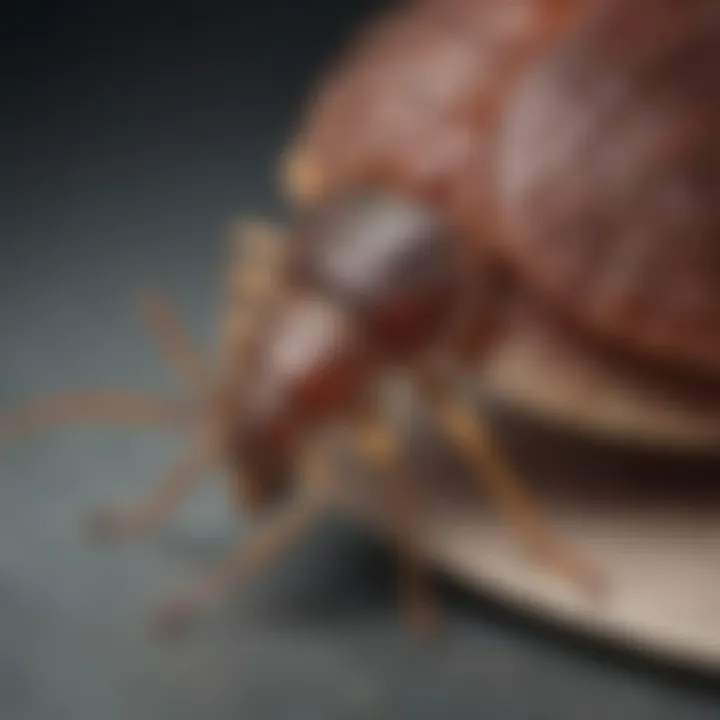
A bed bug is a tiny, wingless insect known scientifically as Cimex lectularius. These critters live off the blood of humans and animals, making them a nuisance as creatures that invade bedrooms, couches, and other cozy places where we relax. Adult bed bugs are about the size of an apple seed, with a brownish color that can deepen as they consume blood. Their body shape is somewhat flat, making them adept at hiding in the tiniest of crevices — think behind wallpapers or in the seams of your mattress.
It's critical to note their reproductive habits. A female bed bug can lay dozens of eggs during her lifetime, leading to rapid population growth. If left unchecked, a few bugs can quickly balloon into a full-blown infestation. This brings up the importance of identifying and understanding these pests sooner rather than later.
"Early detection is the key to effective control of bed bug infestations."
Habits and Habitat
Bed bugs are nocturnal creatures, primarily feeding in the dark hours of the night. Their preferred dining opportunity usually occurs when we are sound asleep. They are attracted to warmth and carbon dioxide, making our bodies the perfect meal ticket. After feeding, they tend to retreat back to their hiding spots, like mattress seams, wood furniture, or even within baseboards.
These insects thrive in environments where they can find humans to feast on, which is why they are often associated with populous areas. Whether it’s in hotels, motels, or even public transportation, bed bugs hitch rides on luggage and clothing, spreading easily from one setting to another. Proper inspections and cleaning protocols can help mitigate the risk associated with travel.
To protect yourself and your family, it’s vital to familiarize yourself with the common places these pests love to hide. Check not just your bed, but your entire living space. Utilizing mattress encasements and regularly cleaning can also show your commitment to a bug-free environment. By understanding the habits and habitat of bed bugs, you can take proactive steps toward prevention.
Identifying Bed Bug Bites
Understanding how to identify bed bug bites is essential for homeowners and anyone who might find themselves in a situation where bed bugs could be a concern. Early identification can mitigate discomfort and prevent a small problem from turning into a significant infestation. Moreover, recognizing these bites can help differentiate them from other insect bites, which is crucial for effective treatment and management strategies. In this section, we will discuss the visual appearance of bed bug bites, their typical locations on the body, and how they stack up against other insect bites.
Visual Appearance of Bites
Bed bug bites manifest as small, red, itchy welts on the skin, often resembling mosquito bites. However, the unique aspect of these bites is their tendency to appear in clusters or lines — a pattern often described as a “breakfast, lunch, and dinner” sequence. One can liken it to a trail of breadcrumbs left behind by the bugs as they feast.
Remember: If you notice these distinct patterns, it’s worth taking a deeper look into your sleeping environment.
The intensity of the bites can vary. Some individuals may experience significant swelling, while others will merely find a slight redness at the bite site. The bites typically appear anywhere from a few hours up to a week after the insect has taken a meal. It's essential to note that not everyone reacts the same way, leading to additional confusion when trying to identify these bites.
Location of Bites on the Body
Bites generally appear on areas of the body that are exposed while sleeping. This tends to include the arms, shoulders, neck, and sometimes the legs. Interestingly, bed bugs prefer to bite these exposed regions rather than covered areas, as they thrive in the cover of darkness and warmth of human bodies.
To illustrate, consider a scenario where an individual sleeps with their arms hanging off the bed. The bugs are likely to find their way there, taking advantage of the easy access. If you often wake up with clusters of bites in these regions, it's time to inspect your bed and bedding closely.
Comparison with Other Insect Bites
Differentiating bed bug bites from other insects can be a bit like trying to pick out the black sheep in a flock. For instance, they can be mistaken for mosquito bites, flea bites, or even spider bites.
- Mosquito Bites: These are generally individual bites and usually itchy. Bed bug bites, instead, often appear in clusters.
- Flea Bites: Fleas typically bite around the ankles and lower legs, while bed bugs prefer exposed skin.
- Spider Bites: These can vary widely and may present more serious symptoms, including potential necrosis in rare cases. In contrast, bed bug bites are more non-descript but consistent in appearance.
Recognizing the comparison facets is crucial since it leads to proper treatment. If you think you’re dealing with bed bugs, understanding their unique characteristics will enable you, not only to address the bites but also to tackle the source of the infestation itself.
Symptoms and Reactions to Bed Bug Bites
Understanding the symptoms and reactions to bed bug bites is crucial for anyone dealing with these unwelcome pests. Recognizing how your body responds can guide you in managing these bites effectively. Further, understanding the reactions can alleviate fear and provide clarity about the next steps, especially if the bites resemble those from other insects.
Immediate Reactions
Bed bug bites can provoke a range of immediate reactions that might vary greatly between individuals. The most common response is itching, which often manifests almost instantly after a bite occurs. In some cases, this itching is accompanied by a burning sensation, making it difficult to resist the temptation to scratch.
Another immediate reaction might be redness and swelling around the bite site. This could resemble a small pimple or bump, and it may get larger after scratching it. Sometimes, the reaction can be a raised wheal that can stick around for a few days. Such immediate responses are often linked to the body’s reaction to the bed bug’s saliva, which contains anticoagulants and proteins that make your blood more hospitable for the bed bug.
"These bites tend to form in a line or cluster, which can help in identifying them as bed bug bites."
Identifying these immediate reactions is the first step in understanding the nature of the infestation and necessary actions to take.
Delayed Reactions
In addition to the immediate symptoms, some individuals may experience delayed reactions to bed bug bites. This can manifest a few days after the initial bite. For some, these reactions take the form of increased redness, swelling, or even hives at the bite locations. This heightened response can sometimes confuse individuals, as it may lead them to believe they have developed an allergic reaction.
The timeline for delayed reactions can vary based on the individual's immune response. While some may experience a flare-up within a few days, others might not notice continued symptoms until a week or more has passed. Recognizing this aspect is essential for individuals with a history of allergic reactions, as it may necessitate closer monitoring or preemptive treatment.
Psychological Impact
The psychological impact of bed bug bites often gets overlooked, but it’s significant. The mere presence of these pests can lead to heightened anxiety and stress, and the bites themselves can exacerbate those feelings. For many, waking up with unexplained welts can trigger fear and doubt about their living conditions.
The psychological toll can be as distressing as the physical symptoms. It can lead to insomnia, increased vigilance while sleeping, and a general sense of discomfort in one's own home. Households may also feel shame or embarrassment, leading to social withdrawal. Engaging in open conversations about these impacts is vital, as it helps reduce stigma and leads to better coping strategies for affected individuals.
For those battling bed bugs, understanding not just the symptoms, but also their psychological effects can empower and promote a proactive approach. This awareness aids in addressing both physical and emotional well-being during an unsettling experience.
Treating Bed Bug Bites
Treating bed bug bites is a crucial part of managing bed bug infestations. Not only do these bites cause discomfort, they can also lead to secondary infections if left untreated. Addressing the symptoms promptly can minimize itching, reduce the risk of skin issues, and improve quality of life. Additionally, understanding treatment options empowers homeowners and renters to take necessary actions to alleviate discomfort and regain peace of mind when faced with these pesky parasites.
Home Remedies
Home remedies have gained popularity for treating bed bug bites due to their accessibility and ease of use. Several natural solutions can provide relief from the itching and inflammation associated with bites. Some effective home remedies include:
- Cold Compress: Applying a cold pack or a clean cloth soaked in cold water can numb the area and reduce swelling.
- Baking Soda Paste: Mixing baking soda with water to create a paste and applying it to the bites might help in soothing irritated skin.
- Aloe Vera Gel: Known for its anti-inflammatory properties, fresh aloe vera can provide moisture and relief from burning sensations.
- Oatmeal Baths: Soaking in an oatmeal bath can be beneficial for calming itchy skin, as oatmeal has natural anti-inflammatory properties.
While these remedies may offer temporary relief, they are not substitutes for professional medical advice if reactions to the bites are severe or prolonged. Be mindful of using only clean materials to avoid introducing further irritants to already sensitive skin.
Over-the-Counter Treatments
For more robust relief, over-the-counter treatments can be particularly effective. Common options include:
- Hydrocortisone Cream: This can help reduce itching and inflammation significantly.
- Antihistamines: Oral antihistamines, like diphenhydramine, can help alleviate itching and promote better sleep by calming down allergic reactions.
- Calamine Lotion: Known for its soothing properties, calamine can dry out any blisters and relieve discomfort.
It's important to follow usage directions on product labels to avoid adverse reactions. Consider consulting a pharmacist or healthcare provider if you are unsure which treatment is right for you.
When to Seek Medical Attention
Not every case of bed bug bites will require a trip to the doctor, but there are certain signs that indicate a need for professional help. Be on the lookout for serious symptoms such as:
- Severe swelling or redness: If the bite area becomes increasingly inflamed.
- Signs of infection: Pus or increased pain can indicate that an infection is developing, requiring anticoagulants or antibiotics.
- Allergic reactions: Breathing difficulties or swelling outside of the bite area should be treated as a medical emergency.
Always prioritize your health. If in doubt, consult with a healthcare professional rather than relying solely on home treatments.
In summary, treating bed bug bites effectively involves a combination of home remedies, over-the-counter treatments, and knowing when to seek professional medical help. Keeping these options in mind can help manage discomfort and prevent complications, ensuring you're back to normal in no time.
Preventing Bed Bug Infestations
Preventing bed bug infestations is crucial, especially given the rising frequency of these unwanted guests in homes and public places. Understanding how to keep your living space free from bed bugs not only safeguards your physical well-being but also protects your peace of mind. While managing an infestation can be a painstaking process, preventing one from occurring in the first place is far simpler—and far less stressful.
Best Practices for Home Management
Taking proactive measures in managing your home can significantly reduce the risk of bed bugs creeping in. Here are some best practices to consider:
- Regular Inspections: Routine checks of your home, especially in common hiding spots like seams of mattresses, furniture joints, and behind baseboards, can help catch early signs of infestation. Look for small fecal stains or shed skins.
- Declutter: Having a tidy home makes it easier to spot bed bugs. Reducing clutter, especially in bedrooms and living areas, minimizes potential hiding spots for these pests.
- Use Protective Covers: Encase mattresses and pillows in bed bug-proof covers. These specially designed covers can trap any existing bugs and prevent new ones from getting in.
- Be Mindful of Secondhand Items: When accepting or purchasing used furniture and clothing, carefully inspect for signs of bed bugs before bringing these items into your home.
- Wash and Dry: Regularly wash and dry bed linens and clothing in high temperatures. Heat is one of the most effective ways to kill any hidden bugs and their eggs.
By implementing these practices, you create a defensive barrier against potential bed bug invasions, making your home a less attractive target for these pests.
Travel Precautions
Traveling can sometimes feel like an invitation for bed bugs to hitch a ride home with you. Taking precautions while on the go can prevent this from happening. Here are some steps to keep in mind:
- Inspect Hotel Rooms: Upon arrival, check the bed and surrounding areas for signs of bed bugs. Pull back the sheets, check the mattress seams, and use a flashlight to explore furniture.
- Keep Luggage Elevated: Use luggage racks instead of placing your bags directly on the floor or bed. This minimizes direct contact with potential bed bug hotspots.
- Seal Your Clothes: When traveling, keep your clothes in sealed plastic bags or packing cubes. Before returning home, wash clothing in hot water and dry them immediately.
By staying vigilant during your travels, you can significantly reduce the chance of bringing bed bugs back home with you.
Professional Pest Control Solutions
Despite your best efforts, sometimes bed bugs can still find their way into your living space. In such cases, turning to professional pest control may be your best option:
- Identify the Infestation: A pest control professional can accurately identify the extent of the infestation and recommend the most effective treatment plan.
- Treatment Options: Experts might utilize a combination of chemical treatments, heat treatments, or even vacuuming methods. These approaches are designed for swift extermination and can address hard-to-reach areas.
- Follow-Up Inspections: After treatment, professional services often include follow-up visits to ensure complete eradication. Their expertise can provide you with peace of mind, understanding that the problem has been addressed correctly.
Utilizing professional pest control can be the linchpin in a holistic approach to preventing and dealing with bed bug infestations.
Remember, an ounce of prevention is worth a pound of cure. Staying alert and taking preventive steps can save you from the ordeal of dealing with a full-blown infestation.
The Biology of Bed Bugs
Understanding the biology of bed bugs is crucial to comprehending the larger picture of their presence in our lives. Knowledge about their life stages and feeding mechanisms not only sheds light on how infestations occur, but also informs effective prevention and treatment strategies. This helps homeowners detect early signs of bed bug activity, ensuring prompt action before a minor issue spirals into a full-blown infestation.
Life Cycle and Growth Stages
The life cycle of bed bugs consists of several distinct stages: egg, nymph, and adult. Each stage has its own characteristics and challenges for management.
- Eggs: Female bed bugs lay around 5 to 14 eggs daily, each measuring about 1mm in size, resembling a tiny grain of rice. These eggs are white and are often found in clusters in hidden spots where a bed bug might dwell.
- Nymphs: After about 6 to 10 days, eggs hatch into nymphs. These young bed bugs need to molt five times before reaching adulthood, requiring a blood meal after each moult. Nymphs appear nearly transparent with a light yellowish tint.
- Adults: Adult bed bugs are flat, oval, and reddish-brown. They can survive for months without feeding, making them particularly resilient. Understanding this life cycle enables homeowners to anticipate the timing of potential infestations and act swiftly.
As bed bugs grow from one stage to the next, the urgency to eliminate them increases. Ignoring early signs can lead to a larger problem, making early detection key.
Feeding Mechanisms
Bed bugs are hematophagous, which means they feed exclusively on blood. Their feeding behavior is quite fascinating and involves a meticulous process.
- Find a Host: Bed bugs primarily feed at night. They use heat and carbon dioxide to locate their next meal. Many people might not notice their presence until after an infestation has already taken root.
- Piercing and Sucking: Once a host is located, bed bugs use their specialized mouthparts, often referred to as a “beak”, to pierce the skin and draw blood. This feeding lasts between 3 to 10 minutes. Interestingly, the saliva of bed bugs contains anticoagulants, preventing the blood from coagulating during feeding.
- Feeding Frequency: An adult bed bug can go without food for several months, but typically, they require a blood meal every 5 to 10 days for optimal growth and reproduction. Knowing how often they feed can help detect infestations early.
"An ounce of prevention is worth a pound of cure." Knowing the feeding habits of bed bugs not only helps you to recognize signs of their presence but also provides insight into effective management strategies. By understanding how and when these pests feed, homeowners can better equip themselves to protect their living spaces.
Social and Economic Implications
Understanding the social and economic implications of bed bug infestations goes beyond the mere annoyance one might initially feel when discovering these pests. It impacts households, communities, and systems of public health significantly. For housewives and homeowners, the stakes are especially high, as the presence of bed bugs not only affects physical comfort but also influences mental well-being and financial constraints.
When dealing with bed bug infestations, the first reaction often involves concern over the impact on one’s home environment. Residential spaces become not just places of rest but potential breeding grounds for these pests. As infestations worsen, the stress can seep into family dynamics. The scenario of a disrupted home, where sleep is compromised due to incessant itching and paranoia about pests, is unbearable. In fact, understanding these implications can empower homeowners to take proactive steps, ensuring their living spaces remain comfortable and inviting.
Impact on Residential Spaces
A bed bug infestation can turn a cozy home into a battlefield. The presence of these pests leads to a myriad of issues that can strain family resources and relationships.
- Disruption of Daily Life: Combatting infestation means sleepless nights and anxiety-laden days. The worry about bites and the need to inspect clothing and furniture can create a tense atmosphere.
- Financial Burden: Treatments, whether over-the-counter or professional pest control, come with a price tag. Moreover, prolonged infestations can lead to replacing mattresses, furniture, and even rugs, throwing financial plans out the window.
- Social Stigma: There’s an unfortunate stigma associated with bed bug infestations. Friends and family may be hesitant to visit homes suspected of housing these pests, leading to isolation for affected families. This can be disheartening for a household where gatherings and socialization were once commonplace.
In short, bed bugs can make a house feel like it’s less of a home. Containing an infestation often requires time, effort, and often a hefty financial outlay.
Public Health Concerns
The public health ramifications of a bed bug infestation shouldn’t be understated. While bed bugs are not known to transmit diseases, their bites can lead to a slew of health issues, both physical and psychological.
- Skin Infections: Excessive scratching of bed bug bites increases the risk of secondary infections. If a bite is scratched open, bacteria can enter the wound, leading to more serious health complications.
- Mental Health Implications: The psychological impact of bed bug infestations is profound. Studies have shown that individuals dealing with an infestation may experience increased levels of stress and anxiety. The loss of a good night’s sleep cannot be overlooked; those who suffer from insomnia may develop issues like depression or anxiety disorders due to the cumulative effects of such stress.
- Community Spread: Though bed bugs don’t fly, they do hitch rides on clothing, luggage, and even used furniture. This means that one household’s infestation can easily spread to neighbors, friends, or public spaces like schools and offices, causing widespread concerns.
"Bed bugs are not just a nuisance; they inject a level of anxiety that can permeate through families and communities, creating ripples of stress that can last long after the bugs are eradicated."
Given these implications, addressing bed bug problems becomes not only a personal matter but a public health concern that demands attention from local health departments and pest control professionals. As such, awareness and education on prevention are crucial in tackling this issue effectively for households everywhere.
Summary and Ending
As we draw the curtain on this exploration of bed bug bites, it's vital to reflect on the significant insights we've gathered. These pesky little critters, once just a whispered topic in our neighborhoods, have gained a more substantial role in public consciousness over the years. Understanding their bites not only aids in identification but also sheds light on their broader implications for personal well-being and home environments.
The importance of recognizing and correctly interpreting the signs of bed bug bites transcends mere irritation; it can unveil deeper issues affecting both mental and physical health. The discomfort caused by bites is not merely a surface irritant; it can lead to sleepless nights, anxiety, and, in severe cases, secondary infections due to excessive scratching.
Equally crucial is understanding effective treatment strategies and preventive measures. Home remedies and over-the-counter solutions provide initial relief; however, knowing when to seek specialized help can mean the difference between an isolated incident and a full-blown infestation. Considerations surrounding professional pest control solutions are essential for maintaining a healthy living space. No one wants to end up in a war against these unwelcome invaders.
This article emphasized the necessity of swift and sustained action to mitigate the effects of bed bugs. The psychological burden they place on homeowners, particularly in crowded urban settings, can often be as debilitating as the physical impacts. Emphasizing education and awareness in communities will foster environments where prevention is the norm rather than the exception.
In summary, understanding bed bug bites is not just an intellectual exercise; it’s a practical guide to better living in an increasingly crowded world. Armed with the right knowledge, homeowners can take effective measures, ensuring peace of mind and a bed bug-free home in the process.
Key Takeaways
- Recognizing Bites: Early identification is crucial to preventing further infestations.
- Symptoms Awareness: Recognizing both immediate and delayed reactions allows for better management of bites.
- Treatment Options: Utilize home remedies for minor issues while being aware of when to escalate to professional help.
- Preventive Practices: Continuous vigilance—especially when traveling—significantly reduces the likelihood of infestations.
- Community Education: Sharing knowledge strengthens emotional responses to infestations and improves overall public health.
By being proactive, we can keep our homes pleasant and free from these unwanted guests.