Understanding the Habitat of Bed Bugs: Insights and Implications


Intro
In the world of pest management, understanding where bed bugs set up shop is crucial. While many might think of these bugs as elusive tiny creatures hiding only in mattresses, the reality is a bit more complex. They can just as easily lurk in the seams of curtains or the folds of a sofa. Thus, knowing their habitats is the first step towards effective control.
The fight against bed bugs isn't merely about eradication; it's about prevention. A thorough grasp of their behaviors and environments can arm homeowners with the knowledge needed to keep these pests at bay. This article embarks on a detailed exploration of bed bug habitats, prevention strategies, and control methods, with a specific focus on how everyday individuals can mitigate the risk of an infestation while fostering a pest-resistant home.
Preventive Pest Control Strategies
House Exterior Protection
Taking a proactive stance regarding pest control starts with the outside of your home. Addressing the outer shell can greatly reduce the likelihood of any unwelcome guests.
Tips for sealing cracks
Inspecting both the structure and the foundation will help you find those sneaky entry points.
- Use caulk to seal small gaps around windows and doors.
- Check for loose siding and fix it.
Clearing debris
Debris can harbor insects and make your home inviting for pests. Regularly clean:
- Clutter around the house.
- Leaves or standing water in gutters.
Preventing pests from entering
Keep in mind that the simplest things make a difference:
- Install door sweeps on all exterior doors to deny pests dark hiding spots.
- Screen windows and vents to protect against wandering bugs.
Yard Maintenance
Maintaining a clean yard is more than just aesthetics; it’s a vital pest prevention method. This involves regular activities to keep greenery healthy while limiting the possibility of pests.
Essential yard care routines
- Regularly mow the lawn to prevent tall grass that serves as habitat for insects.
- Trim bushes and trees to eliminate hiding spots for pests.
Methods for keeping yard pest-free
A tidy yard can serve as a barrier against pests, making these practices essential:
- Rotate plants in your garden to disrupt pest lifecycles.
- Incorporate beneficial plants like marigolds that repel certain insects.
Indoor Cleanliness
When it comes to pest control, a clean home is your best ally. Keeping indoor spaces neat and organized reduces the chances of a bed bug sighting.
Expert cleaning tips and techniques
- Vacuum carpets and upholstery thoroughly, paying close attention to seams and folds.
- Wash bedding and linens regularly in hot water to eliminate any lurking pests.
Maintaining a pest-resistant indoor environment
Decluttering is more effective than many think. Try to:
- Limit what’s stored under beds and inside closets to minimize potential hiding spots.
- Use plastic containers for storage, which bed bugs can't penetrate like cardboard can.
Garbage Disposal
Proper waste management isn’t just about hygiene; it's a crucial line of defense against pests. Unattended rubbish can attract infestations.
Efficient waste disposal methods
- Invest in trash cans with tight-fitting lids to keep smells and sights at bay.
- Dispose of garbage regularly, ensuring no damp waste sits for long periods.
Importance of proper garbage disposal
Food remnants can entice bed bugs, so it’s vital to:
- Ensure kitchen waste is sealed correctly before disposal.
- Clean recycling containers periodically to avoid any pest magnet buildup.
Other Pest Prevention Strategies
Aside from the common preventive methods, some innovative techniques can also keep your home safe from pests.
Innovative ways to safeguard your home
- Consider using bed bug mattress encasements that protect against infestations.
- Install pest management systems utilizing new technology to monitor pests around your home.
Identifying Pest Risk Areas
Preventing bed bug infestations also involves knowing which areas of your home are at a higher risk. Here’s what to focus on:
Moisture Prone Areas Inspection
Damp conditions can be an open invitation for pests.
Identifying damp conditions
Be watchful of:
- Basements that lack ventilation.
- Leaky pipes in kitchens and bathrooms.
Tips for preventing infestations
To avoid a breeding ground for pests, always:
- Repair leaks promptly.
- Use dehumidifiers in areas with consistently high humidity.
Crack and Crevice Inspection Guide
Bed bugs are experts at sneaking into tiny spaces.
Importance of inspecting access points
Go around your home and:
- Look for cracks in walls, floors, and ceilings.
- Check behind baseboards and light fixtures.
Strategies for sealing cracks and crevices
Regular maintenance tips include:
- Using silicone sealant for gaps.
- Be mindful of changes in structure over time.
Greenery Inspection for Pest Risks
Plants around your home can either enhance the environment or attract pests.
Understanding greenery's impact on pests
Be observant of:
- How close trees and shrubs are to the home.
- What plants are used and their pest-pulling potential.


Guidelines to maintain pest-free yards
Ensure you:
- Space bushes properly to allow airflow.
- Remove dead plants and yard debris regularly.
Additional Pest Risk Areas
Many people don’t realize there are other potential risk spots:
- Attics filled with clutter can attract pests if left undisturbed.
- Areas behind appliances in kitchens and laundry spaces should not be neglected.
Effective Pest Control Methods
Once you’ve identified risk factors, it's time to act. There are numerous methods for effective pest control that are both safe and efficient.
Natural Repellents for Pest Control
Using natural solutions can help manage pest populations without harsh chemicals.
Safe and effective natural solutions
- Essential oils such as tea tree and lavender can deter bed bugs.
- Vinegar can be a handy household item for spraying on potential bug zones.
Use of essential oils, herbs, and plants
Selecting specific plants in your garden can add another layer of defense.
Chemical Sprays for Pest Control
In some cases, immediate action is necessary.
Safe usage of professional sprays
If opting for chemical solutions:
- Choose sprays labeled specifically for bed bugs.
- Follow instructions carefully to ensure efficacy and safety.
Eradicating pests with chemical solutions
It's essential to have a targeted approach when employing chemical sprays.
Pest Traps: Effective Pest Control Solutions
Using traps can help capture and monitor pest activity.
Setting up and using pest traps
- Position traps strategically near known entry points.
- Regularly check and dispose of caught pests responsibly.
Capturing and removing pests safely
Practice humane removal when possible. Employ safe disposal methods for soiled traps.
Biological Control Methods for Pest Prevention
Another innovative method involves the use of nature’s own systems.
Using natural predators for pest management
Some species of insects naturally keep pest populations in check.
Environmental-friendly pest control techniques
This method helps to maintain balance in the ecosystem around your home.
Other Pest Control Methods
No pest control strategy is complete without understanding newer practices.
Innovative pest control methods beyond traditional options
Explore:
- Using non-toxic chemical formulations designed for modern homes.
- Engaging pest control services that utilize advanced robotic systems for detection and elimination.
Pest Species Identification
To effectively combat an infestation, knowledge about different species is critical.
Common Insects in Home Pest Control
Stay alert to the most common pests:
- Ants and cockroaches may often accompany bed bugs in homes.
Identifying Rodents for Pest Prevention
Watch for signs of mice or rat activity. Knowing their habits film your choices to prevent invasions.
Bird Species Impacting Home Environments
Bird droppings can attract other pests that may cause concerns around the home.
Dealing with Wildlife on Your Property
Situations with larger pests, such as raccoons, should be managed carefully. Knowing their behaviors helps in effective control.
Miscellaneous Pest Species Identification
Explore lesser-known pest species to ensure thorough prevention efforts around the home.
DIY Pest Control Techniques
In some cases, taking matters into your own hands can yield effective pest control.
Homemade Pest Control Solutions
Many solutions can be made from everyday household items.
- Baking soda and sugar can lure and kill cockroaches effectively. = Essential oils can also be mixed with water for a natural deterrent spray.
Using Essential Oils for Pest Control
Further explore how various oils repel bugs and create a safer home environment.
Effective Pest Traps and Barriers
Creating barriers and traps can keep unwanted pests at bay, serve as your first line of defense.
Top Reputable Pest Control Brands
Utilize tried and tested brands to support your pest control strategies, ensuring you are investing in quality products.
Miscellaneous DIY Pest Control Techniques


Other techniques can include things you never thought would work, like using diatomaceous earth as a safe way to keep pests away.
Intro
Bed bugs are often seen as a nuisance, but their presence can indicate larger issues related to sanitation and home management. Learning where these insects find a cozy spot to infest can empower individuals to effectively combat them.
Importance of Recognizing Habitats
Recognizing the various places bed bugs prefer to inhabit can significantly influence your pest control measures. These insects primarily make themselves comfortable in areas that offer warmth, food sources, and accessibility. By understanding their ideal hiding spots and preferred conditions, you can take preventive steps.
"An ounce of prevention is worth a pound of cure." Being proactive can help in reducing the risk of infestations.
Benefits of Awareness
- Effective pest control: Knowing their hiding places assists in targeting extermination efforts.
- Health and safety: Bed bugs can lead to allergic reactions and sleep disruptions, affecting mental well-being.
- Economic implications: Infestations can become costly to resolve, thus early intervention saves money.
Considerations for Households
When examining the habitat of bed bugs, it's essential to consider the factors that increase their likelihood of thriving in a space. Key considerations include:
- Living conditions: Clutter, warmth, and proximity to other infested locations.
- Travel habits: Regular exposure to hotels, public transport, or communal living spaces.
- Seasonal variations: Changes in climate may affect where they nest and how frequently they move.
Through this article, we'll go beyond the surface to thoroughly explore the specific environments that attract bed bugs. From residential areas to hotels and even public transportation, understanding these habitats lays the foundation for effective prevention and control strategies.
Defining Bed Bugs
In this section, we will delve into the biological characteristics of bed bugs, explaining their physical features and adaptations that help them survive in human environments. By knowing what bed bugs look like, homeowners can better identify infestations early on.
Additionally, we will explore their life cycle. Understanding how bed bugs develop from eggs to adults offers insights into their growth patterns and reproduction, which is vital for effective control measures. The more a person knows about the stages of development, the better equipped they will be to tackle an infestation.
Biological Characteristics
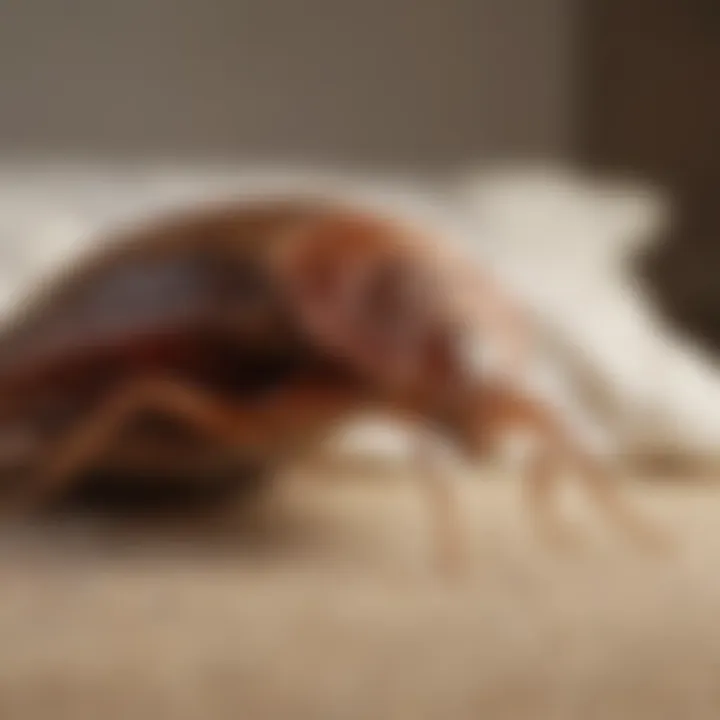
Bed bugs are rather small, typically measuring about 4 to 5 millimeters in length. They are oval-shaped and have a mahogany to rusty red color, which gives them a distinctive look. A notable feature is their flat bodies, allowing them to hide easily in small cracks and crevices. This flatness is akin to a pancake, which is helpful for them to fit into tight spots where they can remain undetected.
When they feed, their bodies expand, changing from flat to a more rounded shape, reminiscent of a droplet of water. This transformation is key to understanding how they sustain themselves, as they require a blood meal to grow and reproduce. An adult female bed bug can lay hundreds of eggs during her lifespan, meaning a small problem can quickly escalate into a larger one if not addressed promptly.
Moreover, bed bugs might carry specific odor glands that emit a musty scent, perceptible when they’re densely populated. Recognizing this smell can be an early warning sign of an infestation, offering home dwellers a chance to take action before it spirals out of control.
Life Cycle
The life cycle of a bed bug can be summarized in four distinct stages: egg, nymph, juvenile, and adult. This process typically spans around six weeks but can vary based on environmental conditions and the availability of food.
- Egg: The cycle begins with eggs, which are tiny and usually laid in clusters. Female bed bugs can lay anywhere from 1 to 5 eggs a day, often hidden in out-of-sight areas.
- Nymph: The eggs hatch into nymphs, which are smaller versions of adults. They’re quite challenging to spot due to their size. Nymphs require blood meals before they can molt into the next stage.
- Juvenile: After several molts over a period of weeks, nymphs transition to juveniles. This stage is marked by their increased size and resemblance to adult bed bugs.
- Adult: Finally, juveniles mature into adults. Once reached adulthood, bed bugs can live several months, even up to a year in favorable conditions. Their reproductive ability means an infestation can explode rapidly, making awareness of this cycle crucial for effective pest management.
Knowing the life cycle of bed bugs empowers house owners in their pest control strategies. By targeting the right stage, they can effectively eradicate these pests from their homes.
Understanding these fundamental aspects of bed bugs lays the groundwork for recognizing their presence and taking preventive measures effectively. A well-informed homeowner stands a chance at combating these unwanted invaders with more success.
Preferred Environments
Understanding the preferred environments of bed bugs is crucial for those who are eager to keep their homes safe and pest-free. These spots offer bed bugs the ideal conditions for survival and reproduction. By pinpointing these environments, homeowners can take effective measures to deter these unwelcome residents.
Human Habitats
Residential Areas
When it comes to residential areas, bed bugs find a veritable buffet of opportunities for settling down. These neighborhoods are typically densely populated, meaning more potential hosts for bed bugs. The apartments and multi-family homes create a tight-knit community, which can turn into a highway for these pests. A distinctive characteristic of residential areas is that they often come with various crevices and hidden nooks where bed bugs can comfortably roost. These hiding spots provide them the much-needed security to thrive. While some homeowners think they’ve scored a good deal on an older building with that historic charm, they might unknowingly become cozy havens for pests. It's wise to stay vigilant and routinely check for signs to avoid a serious infestation.
Hotels and Motels
Hotels and motels present a unique challenge in the battle against bed bugs. These establishments are often transient, with various guests rotating in and out, providing bed bugs ample chances to hitch a ride from one place to the next. The key characteristic of these locations is their high turnover of occupants. This can be both a blessing and a curse; while bed bugs can spread quickly, vigilant management can mitigate such risks. The quick turnover also means that a single unnoticed infestation can multiply in no time, affecting countless guests. Unique features include the vast array of furniture and bedding, where bed bugs are adept at hiding. Patrons typically should be cognizant of inspecting the bedding area before unpacking, to ensure they don’t inadvertently bring these pests home.
Public Transportation
Public transportation serves as yet another hotspot for bed bug distribution. Buses, trains, and subways often teem with people, making them a prime target for these pests. What sets public transit apart is that even a few undetected bed bugs can easily jump from the seat of one commuter to the carry-on bag of another. What’s more, the cramped spaces of these vehicles allow bed bugs to nestle into small pockets, making detection a tall order. The nature of public transportation fosters myriad opportunities for bed bugs to leap from one host to another. Thus, passengers should remain cautious, especially in crowded conditions, to avoid the sticky aftermath of an infestation.
Natural Habitats
Animal Hosts
Bed bugs don’t just inhabit human dwellings; they also rely heavily on animal hosts for sustenance. A remarkable feature of animal hosts is that they provide bed bugs with an alternative source of blood when human hosts are scarce. Common animal hosts include bats and birds, which can introduce bed bugs to new environments if they are nesting in close proximity to human residences. This relationship with animal hosts illustrates that bed bugs are resourceful creatures looking for an easy meal. However, such connections blur the lines, making it essential for homeowners to ensure that their homes remain free from stray animals and the nests that may accompany them.
Nesting Areas
Last but not least, nesting areas serve as critical habitats for bed bugs. They are attracted to places where they can effectively hide while waiting for their next meal. Common nesting spots include cluttered attics, basements, and seldom-used storage areas. The defining feature of these areas is that they frequently go unchecked, allowing bed bugs to settle in unnoticed.
While these nesting sites provide ample cover, they can also become a disadvantage. The longer bed bugs remain undisturbed, the more they multiply. Homeowners ought to be aware of these habitats and take steps to reduce clutter to eradicate potential nesting spots.
Hiding Places
Understanding the hiding places of bed bugs is like peering into their secret lives. These pests are masters of camouflage and can blend into their surroundings, making it crucial for homeowners to know where to look. Identifying these locations not only aids in detection but also informs effective prevention strategies. Knowing where bed bugs are likely to sleep gives individuals a better fighting chance against these unwanted guests.
Common Hiding Spots in Homes
Mattresses and Box Springs
Mattresses and box springs are often the first places people think of when bed bugs come to mind. This is not coincidental. These items provide a warm, dark environment that bed bugs find irresistible.
The key characteristic of mattresses and box springs is their structure. The seams, folds, and crevices are perfect for these tiny pests to crawl into, providing safety from light and movement. This makes them a popular choice for bed bugs, as these organisms seek out refuge to avoid threats.
A unique feature of mattresses is the way they capture warmth. Bed bugs are attracted to the heat emitted by a sleeping person, which makes a mattress a prime target for infestation. An advantage is that a thorough inspection of a mattress can reveal signs of infestation, such as shed skins or dark spots of fecal matter. However, a significant disadvantage lies in the fact that bed bugs can migrate from the mattress to nearby locations, potentially leading to a much larger problem.
Furniture Crevices
Furniture crevices often hold a wealth of secrets when it comes to bed bug habitats. Sofas, chairs, and other pieces of furniture provide ample hiding spots that are less conspicuous than bedding.
The key characteristic of furniture crevices is their intricate design; cushions, armrests, and the space between furniture pieces create inviting spaces for these bugs to thrive. This makes them a beneficial choice for bed bugs as they seek shelter during the day.
One unique feature is the way dust can accumulate in these areas, sometimes masking the presence of bed bugs. While it can be an advantage for the bugs, it also offers homeowners a clue; a sudden increase in dust near seating areas might indicate a larger problem. However, the disadvantage here is that it can make detection more challenging, especially if one doesn't routinely clean under and between furnishings.
Wall Cracks and Baseboards
Wall cracks and baseboards are often overlooked when it comes to potential hiding spots. Yet they can serve as critical habitats for bed bugs.
The key characteristic of these areas is their seclusion. Cracks and gaps in walls provide a dark, protected space where bed bugs can lay their eggs and reproduce undisturbed. This makes these spots a popular choice for these pests, allowing them to remain hidden during daylight hours.
A unique feature of wall cracks is the variety in size, which means bed bugs have options when selecting a hiding location. The advantage of identifying these cracks is that sealing them can significantly reduce potential entry points for infestations. However, there is also a disadvantage in that fully inspecting walls requires more effort than checking obvious surfaces like mattresses and furniture.
Less Obvious Locations
Electronics and Appliances
Electronics and appliances may not be the first places that come to mind, but they can harbor bed bugs just like any other item in the house. These devices offer warmth and often become neglected during routine cleaning.
The key characteristic of electronics is their intricate internal components, which can provide numerous hiding spots for bugs. This makes them a beneficial choice as they can escape notice. One unique feature is that they can potentially harbor bed bugs during transport, such as from moving or while traveling.
However, the advantage of knowing about this hiding spot is that checking electronics during inspections can contribute to overall pest detection. On the flip side, a disadvantage is the risk of damage associated with thorough inspections, as many homeowners might hesitate to open up devices for fear of breaking them.
Clothing and Luggage
Last but not least, clothing and luggage often serve as unexpected bed bug hosts. Infestations can easily spread through these items, particularly when traveling.
The key characteristic of clothing and luggage is their mobility; clothing can quickly move from one location to another, making these items a popular choice for bed bugs looking to hitch a ride. The folds and pockets of clothing naturally create dark nooks for bed bugs to hide.
One unique feature is that bed bugs can remain undetected in luggage compartments for extended periods, especially if the luggage isn’t opened frequently. The advantage of awareness about these locations is that travelers can take preventive measures, like packing items in sealed bags. However, the disadvantage is that detection relies heavily on visual inspection and diligence, making it easy to overlook these thoroughfares in the hustle and bustle of life.
Factors Influencing Their Distribution
Understanding the distribution of bed bugs is crucial for anyone hoping to manage or prevent potential infestations. Bed bugs are adept travelers, capable of hitching rides into a variety of environments. This adaptability significantly influences their distribution in urban and rural settings, as well as how weather fluctuations can impact their presence.
Urban vs. Rural Settings
In city environments, bed bugs find a smorgasbord of opportunities to thrive. High-density living quarters, such as apartments and multi-family dwellings, create the perfect conditions for these pests. They can easily move through walls and share common spaces, allowing for their rapid spread. In many cases, a single infestation can leap from one unit to another, much like gossip traveling through a neighborhood.
On the other hand, rural areas usually offer fewer hosts due to lower population density. While homes might have more space, the isolation can slow down the movement of bed bugs. However, it's worth noting that rural settings may still have risks, particularly when home owners travel to urban areas or engage with public transportation. The remnants of bed bugs can stealthily find their way into your living space, waiting for the right moment to establish themselves.
- Urban Environment Highlights:
- Rural Environment Highlights:
- High population density.
- Proximity to shared spaces, such as laundry facilities and public transportation.
- Increased chance of introducing bed bugs through travel.
- Generally lower infestation rates.
- Risk of bringing bed bugs from other areas, especially urban visits.
- Possible refuge in barns or storages where animals may become hosts.
Seasonal Changes
Seasonal variations present another layer of complexity in the distribution of bed bugs. While these pests can be a nuisance year-round, changes in weather often affect their behavior and population dynamics. For instance, colder months might encourage bed bugs to seek warmth, which typically leads them to favor human dwellings over the outdoors. A cozy, heated home can become a haven for these bugs when the temperature drops.
On the flip side, during warmer months, bed bugs can find themselves thriving both indoors and outdoors. They have more opportunities to disperse as people engage with outdoor activities, bringing back potential hitchhikers into their homes. Thus, attention must be paid during peak travel seasons like summer holidays. In these instances, the odds of encountering bed bugs increase dramatically in hotels or when using public transport.
"The adaptability of bed bugs in response to environmental changes underscores the need for vigilant monitoring and preventive measures, especially during seasons of heightened travel."
In summary, the distribution of bed bugs is largely influenced by urban versus rural residency and seasonality. For anyone looking to protect their home, understanding these nuances about bed bugs is essential to crafting effective prevention strategies. This knowledge can pave the way to a pest-free haven, a goal that is undoubtedly worth pursuing.
The Impact of Travel and Mobility
Travel and mobility play a pivotal role in the spread of bed bugs, making it quite essential to understand their implications in the broader context of bed bug infestations. These pesky insects are hitchhikers by nature, taking advantage of human movement to reach new terrains. As households attempt to combat these nuisances, acknowledging the methods and channels through which bed bugs propagate becomes crucial.
Spread Through Travel
Bed bugs are not just a home concern; they ride along with travelers to reach new locales. Whether it’s a quick jaunt across town or a lengthy flight across the ocean, these pests can nestle into luggage, bags, and even clothing. For example, a person staying in a hotel room might unknowingly transport bed bugs back home, after they slipped into their suitcase during their stay. A study from an entomology journal noted an uptick in cases related to travel, highlighting how one person's innocent trip can have consequences for many.
Some key points to consider about the spread of bed bugs through travel include:
- Awareness While Packing: Inspecting luggage and belongings before and after travel can help in identifying any hitchhikers before they take up residence at home.
- Choosing Accommodations Wisely: Research hotels and look for reviews mentioning bed bugs to minimize the risk of an infestation.
- Temporary Housing Risks: Rentals and temporary housing accommodations carry unique risks as they may have histories of past infestations that are not disclosed to guests.
Infestations in Shared Spaces
Shared spaces, like offices, public transportation, and communal living environments, can act as breeding grounds for bed bugs. In urban settings where people live in close proximity, the potential for these creatures to infest areas grows exponentially. For instance, communal laundry facilities are often an unsuspecting hub for bed bug transfer. A bed bug could latch onto a blanket or jacket while in a washing machine and find its way into a new home.
"Prevention is better than cure. Staying alert in shared environments can save you from a major headache later."
Here are some further considerations regarding shared spaces:
- Office Environments: Frequent movement of staff can inadvertently bring in pests from outside. Regular checks and frequent communication about potential problems can help catch issues before they escalate.
- Public Transit: Buses and trains can harbor bed bugs, particularly if previous passengers had an infestation. Being cautious and checking seating areas can be beneficial.
- Community Areas: Shared lounges, clubs, and co-working spaces might present risks as well. Conducting inspections routinely in these areas can assist in early detection.
In sum, understanding the connection between mobility, travel, and bed bug infestations can equip individuals to better protect their homes from these unwelcome guests.
Detection Methods
Detecting bed bugs is essential for mitigating their presence and ensuring the comfort and safety of residents. With infestations often out of sight, early identification is key to preventing these pests from establishing a stronghold in homes. This section examines reliable methods for spotting bed bugs, breaking them down into visual and canine inspections. Each approach plays a crucial role, giving homeowners and pest control professionals the tools they need to manage and eliminate these nuisances.
Visual Inspections
Visual inspections are a straightforward yet effective strategy for identifying bed bug infestations. This method revolves around the careful examination of specific areas within the home where bed bugs are known to hide. To conduct an effective visual inspection, follow these steps:
- Focus on strategic locations: Start with sleeping areas such as beds, couches, and any other furniture where people sit or lay down. Bed bugs tend to favor these snug spots due to their proximity to their human hosts.
- Inspect linens and fabric: Look closely at mattress seams, headboards, and bedding. Bed bugs often leave behind dark spots or shed exoskeletons as they grow.
- Check unusual areas: Don't forget to check behind electrical outlets, under loose wallpaper, and within furniture crevices. The ability of bed bugs to squeeze into tiny spaces makes thorough inspections vital.
Visual inspections require patience and a watchful eye. Homeowners may consider using a flashlight, which can help illuminate hidden areas. It's often said that prevention is better than cure. For homeowners, being proactive in conducting routine inspections can save a lot of distress later. Even if bed bugs go undetected initially, recognizing their presence at the first signs can drastically reduce the infestation's severity.
Canine Inspections
Canine inspections offer a unique approach to detecting bed bugs that often surpasses the capabilities of a human eye. Trained dogs can pick up on the scent of bed bugs, which is particularly effective in large spaces where visual inspections might miss them. The benefits of canine inspections include:
- Increased accuracy: Dogs have remarkable olfactory senses, making them capable of identifying even a small number of bed bugs.
- Efficient coverage: A canine team can cover considerable areas faster than a human inspector, providing an effective solution for large properties such as hotels or apartment complexes.
- Non-invasive method: Dogs can inspect areas without having to move extensive furniture or personal belongings, minimizing disruption to the occupants.
Regardless of the method used, understanding the habits and habitats of bed bugs is crucial for effective detection. For those who suspect an infestation, employing both visual and canine inspections can provide the best outcomes, whether they are housewives trying to create a safe environment for their families or homeowners looking to protect their investment.
Implications of Infestation
When discussing bed bugs, the implications of their presence in a home go far beyond the initial sighting. It encompasses various crucial aspects that must be understood by every homeowner or tenant. These consequences are not just about pesky bites or the irritation of finding the little critters scuttling about; they also touch on broader health, emotional, and financial issues. Understanding these implications is vital for effective prevention and intervention strategies.
Health Risks
The health risks associated with bed bug infestations are more significant than many like to admit. While bed bugs are not known to transmit diseases like some pest species, their bites can lead to a range of problems. Some individuals may have allergic reactions that range from mild to severe, resulting in intense itching, rashes, or even secondary infections due to scratching. The psychological impact of knowing that bed bugs are lurking can also lead to anxiety and stress. The body’s reaction to these nocturnal bloodsuckers may vary greatly, but they can cause more than just physical discomfort.
"While bed bugs do not spread diseases, they can severely impact quality of life, making sleep a challenging endeavor."
It's essential to recognize that prolonged exposure can aggravate existing health conditions, particularly those pertaining to skin sensitivities or allergies. Furthermore, in extreme cases, chronic scratching due to irritation can lead to significant skin infections needing medical attention. This notion that their bite carries minimal threat diminishes the serious concerns many individuals face during an infestation.
Emotional and Psychological Effects
The emotional toll of a bed bug infestation can often eclipse the physical effects. Many may find themselves in a near-constant state of vigilance, inspecting sheets, furnishings, and personal items for signs of these unwelcome guests. This obsessive behavior can disrupt daily life, leading to insomnia or increased stress levels. For those already dealing with anxiety or obsessive-compulsive tendencies, the presence of bed bugs can exacerbate their condition, creating an ongoing cycle of fear and discomfort.
Also, the stigma associated with bed bug infestations can lead to feelings of shame or embarrassment. Homeowners may hesitate to invite friends or family over due to fear of judgment or misinterpretation of the situation. This social withdrawal can further compound feelings of isolation and depression.
For parents, the emotional ramifications are even more profound. Parents often worry about the safety of their children, leading to sleepless nights and an overall decline in family well-being. Recognizing that bed bugs are a common issue, not one limited to cleanliness or social strata, can help alleviate this burden somewhat; still, the psychological impact often remains heavy.
In summary, the implications of infestation are deeply intertwined with both physical and psychological health facets. Addressing these concerns requires not only strategic pest control measures but also an understanding of the emotional landscape that accompanies living with bed bugs. From ensuring health safety to addressing psychological stress, tackling these issues is paramount for restoring peace in affected living spaces.
Control and Prevention Strategies
When it comes to bed bugs, having a solid strategy for control and prevention is paramount. These pests are notorious for their resilience and ability to spread quickly, so being proactive can save not just your peace of mind but also your pocketbook. The focus here will be on the two primary avenues: chemical treatments and non-chemical approaches. Understanding these strategies enables home owners and housewives alike to combat infestations effectively.
Chemical Treatments
Chemical solutions remain one of the most common methods for tackling bed bugs. These treatments use insecticides designed to kill the bugs and their eggs. The importance of selecting the right chemical cannot be overstated. Here are some aspects to consider:
- Effectiveness: Not all insecticides are created equal. Some may target only adult bed bugs while leaving eggs unharmed. Choosing a product that specifically states its efficacy against all life stages is crucial.
- Application Methods: Chemical treatments can come in various forms, including sprays, dusts, and foggers. Understanding how to apply these correctly is critical to achieving good results. For instance, a spray might work well on surfaces but may not penetrate deep into mattresses.
- Safety Considerations: Safety is a significant factor, especially when there are children or pets in the home. Opt for less toxic options whenever possible, and always read labels for directions and safety precautions.
Additionally, it’s wise to integrate chemical treatments into a broader strategy rather than relying on them alone. Here’s a quick checklist to ensure effective chemical treatment:
- Prepare the Area: Clear clutter where bed bugs may hide.
- Target Areas: Focus on known hiding places, especially around mattresses and furniture.
- Follow Up: Reinspect after treatment to ensure effectiveness and determine if another round is necessary.
Non-Chemical Approaches
While chemical treatments can be effective, non-chemical methods also play a significant role in managing bed bug populations.
These approaches often involve physical strategies and alterations to the environment, which can be effective on their own or in combination with chemical treatments:
- Heat Treatments: Bed bugs cannot survive extreme temperatures. Washing bedding and clothes in hot water and then drying them on high heat can eliminate bugs and their eggs. Additionally, using steam cleaners on mattresses and furniture can be an effective way to reach deep hiding spots.
- Encasements: Using bed bug-proof encasements for mattresses and pillows can prevent existing bugs from harborage, effectively trapping them and causing them to eventually die.
- Decluttering: Regularly decluttering your home reduces the number of hiding spots available for bed bugs.
Important Note: In dealing with bed bugs, always combine methods for maximum effectiveness. For example, one might apply a chemical treatment along with mattress encasements and steam cleaning. This multifaceted approach helps address the problem comprehensively.
"A stitch in time saves nine" – dealing with bed bugs promptly and effectively can prevent an escalation into a full-blown infestation.
Ultimately, whether resorting to chemical or non-chemical strategies, understanding the fundamentals of treatment can empower homeowners and housewives in their battle against these unwelcome guests. Together, they cultivate an environment free from bed bugs, safeguarding their homes and health.
The End
In wrapping up our exploration of bed bugs and their habitats, it's crucial to grasp the key takeaways that have emerged throughout this article. Understanding where these pests make themselves at home not only helps in recognizing the problem but also aids in implementing effective control measures.
First, knowing the preferred environments for bed bugs allows homeowners to be on alert. They thrive in places where humans gather—think residences, hotels, and even public transport. This awareness alone is significant; it encourages vigilance in checking luggage after travel or inspecting second-hand furniture.
“An ounce of prevention is worth a pound of cure.” This old adage rings particularly true in the context of bed bug infestations. Preventive actions are far more effective than remediation efforts once these pests take hold.
Additionally, the implications of detecting a bed bug presence extend beyond mere annoyance. The health risks and psychological effects discussed earlier underline the importance of timely identification and intervention. A systematic approach to prevention can safeguard not just physical well-being but also peace of mind.
Equipped with knowledge about control and prevention strategies, readers can take proactive steps—whether opting for chemical treatments or more eco-friendly options. The discussion on how bed bugs spread emphasizes that mobility, particularly travel, plays a significant role in their distribution. Thus, understanding normal human activities can help mitigate risks associated with these pests.