Understanding Formosan Termites: Impact and Solutions
Preventive Pest Control Strategies
Preventive pest control is essential for protecting homes from Formosan termites and other pests in Louisiana. By implementing effective strategies, homeowners can reduce the risk of infestation significantly.
House Exterior Protection
A strong line of defense begins with the exterior of the home. Sealing cracks, clearing debris, and ensuring that pests cannot enter are key steps.
Tips for sealing cracks
- Inspect walls, foundation, and windows for cracks.
- Use caulk or other appropriate materials to seal them adequately.
Clearing debris
- Remove stacks of wood or other debris near the house.
- Regularly clean gutters to prevent a damp environment.
Preventing pests from entering
- Install door sweeps and screens on windows.
- Keep food stored in airtight containers.
Yard Maintenance
Yard care routines can limit pest habitats in your garden. A well-maintained yard inhibits pests.
Essential yard care routines
- Keep grass mowed and shrubs trimmed.
- Regularly inspect plants for signs of infestations.
Methods for keeping yard pest-free
- Use mulch to hold moisture, but avoid piling it against foundation walls.
- Rotate plants to disrupt pest life cycles.
Indoor Cleanliness
Maintaining cleanliness indoors significantly reduces pest attraction. Good practices help keep the home pest-resistant.
Expert cleaning tips and techniques
- Clean all surfaces regularly, especially in kitchens.
- Address spills immediately and keep food areas tidy.
Maintaining a pest-resistant indoor environment
- Seal all food items well.
- Use pest-repellent products approved for indoor use.
Garbage Disposal
How garbage is managed greatly affects pest presence. Effective disposal methods are vital.
Efficient waste disposal methods
- Ensure garbage cans are sealed and stored away from the house.
- Regularly dispose of trash, particularly organic waste.
Importance of proper garbage disposal
- Reduces the risk of pests attracted to easy food sources.
- Protects overall health by minimizing potential breeding grounds.
Other Pest Prevention Strategies
Innovation in pest control can go a long way. New ideas help homeowners safeguard their sanctuaries.
Innovative ways to safeguard your home
- Consider installing motion detectors to introduce natural deterrence.
- Explore landscaping with pest-resistant plants to naturally control infestations.
Regular preventive strategies can significantly lower the likelihood of pest infestations. Stay vigilant and proactive in maintaining your home.
Identifying Pest Risk Areas
Detection of potential pest risk areas is a crucial step in proactive pest control. An inspection focused on vulnerable spots helps mitigate the risks.
Moisture Prone Areas Inspection
Identifying damp conditions is essential in pest prevention. Formosan termites thrive in humidity.
- Inspect bathrooms, basements, and kitchens for leaks.
- Utilize dehumidifiers where necessary to sop up excess moisture.
Crack and Crevice Inspection Guide
Access points should not be ignored since they are gateways for pests.


- Regularly check areas like door frames, windows, and the foundation.
- Apply appropriate sealants or barriers to close gaps.
Greenery Inspection for Pest Risks
Landscaping impacts pest behaviors greatly. Understanding this is key for maintenance.
- Ensure no foliage touches the home and create space between plants and structures.
- Regularly inspect plants for infestation signs and treat premptivly.
Additional Pest Risk Areas
Considering miscellaneous spaces can enhance preventive measures.
- Look at attics, garages, and storage areas critically for possible infestations.
- Carry out regular maintenance in these locations to curb potential risks.
Intro to Formosan Termites
Formosan termites are a topic of great concern in Louisiana due to their destructive nature and increasing prevalence. In this section, we aim to shed light on their significance in the local context. Understanding Formosan termites is essential for homeowners and pest control professionals alike, as it involves recognizing their unique behaviors and life cycles, which differ from native termites. Knowledge is power when it comes to prevention and control strategies.
Overview of Termite Species
Termites belong to the order Blattodea and include a variety of species. These insects are often classified into three main categories: Subterranean, drywood, and Formosan termites. Formosan termites, scientifically known as Coptotermes formosanus, are distinct for several reasons. They are invasive, originally from East Asia and adapted to various environments, primarily subtropical.
What sets Coptotermes formosanus apart from other termite species is their aggressive foraging behavior and the size of their colonies. A single colony can encompass millions of individual termites, leading to significant damage to structures. This unstoppable creature often goes unnoticed until the structural integrity is compromised, emphasizing the need for ongoing awareness in affected areas.
Defining Formosan Termites
Formosan termites are recognized not just for their size but also for their ability to destroy wooden structures rapidly. They often form their colonies underground, establishing extensive tunnel networks that can cause damage quickly. This termite species engages in both above-ground and below-ground activity, leaving behind few obvious signs until the damage manifests.
In terms of behavior, Formosan termites traditionally exhibit a preference for wood that is damp or decaying. However, they are notorious for invading sound wood, indicating a shift in their foraging patterns. Consequently, property owners should take proactive measures for inspections and treatments. Their impact is not limited to man-made structures; Formosan termites are also known to influence local ecosystems by altering the habitat.
Formosan termites can ravage wooden frameworks, essentially turning a residence into their food source, highlighting the dire need for awareness and early action.
Through our exploration of these aspects, we aim to present a comprehensive guide to this menace, merging knowledge with practical applications for true understanding.
Biology and Characteristics of Formosan Termites
Understanding the biology and characteristics of Formosan termites is crucial for homeowners and those interested in pest management in Louisiana. These pests have distinct features that make them both fascinating and problematic. Knowledge of their biology assists in identifying their presence and understanding their behaviors, which is key to effective management.
Physical Description
Formosan termites, scientifically known as Coptotermes formosanus, are notable for their size and color diversity. Adult workers measure about 10 to 12 millimeters long and are typically light yellow to brown. What sets them apart from other termite species is their swarming behavior, specifically during warm and humid conditions. Termite swarms can vary in sizes and occur in large numbers, leading to repetitive sightings.
A distinct feature of Formosan termites is their robust mandibles. Their jaws are efficient tools for wood and cellulose consumption, contributing to their destructive capabilities. In addition, their soldier caste can be recognized by their larger heads and cream-colored bodies.
Being able to correctly identify these characteristics is imperative in assessing potential damage to structures in homes or businesses.
Behavioral Patterns
Formosan termites exhibit several behavioral patterns that can aid in identification and management. These termites are known for their highly social structure. They live in colonies that can number in the millions, facilitating vast wood consumption and extensive potential damage.
Foraging is primarily conducted by the worker caste. This group is active mostly at night when they seek out food sources, primarily wood and cellulose materials in homes. Groups of them work together to create tunnels in wood. Given their capacity for tunneling, detecting their paths often requires specific observance of usual nesting areas, such as wooden elements or tree stumps nearby.
Moreover, Formosan termites can build above-ground nests, or carton nests. This adaptation allows them to thrive in slightly humid environments. This behavior places them at higher chances of affecting structures.
Formosan termites can consume wood at alarming rates, sometimes leading to structural damage within mere months.
Life Cycle Stages
The life cycle of Formosan termites proceeds through several definitive stages. Understanding these stages allows for better timing in control efforts. These stages typically consist of the egg, nymph, and adult phases.
- Egg Stage: The queen produces hundreds of eggs daily. These eggs require warmth and moisture for successful hatching, typically occurring within 30 days.
- Nymph Stage: Once hatched, nymphs will mature into either workers, soldiers, or reproductive adults. This stage is crucial, as nymphs can adapt into any caste based on colony needs.
- Adult Stage: Adults undertake major roles in the colony. The reproductive pair involves the queen and king, which are responsible for creating new offspring. Given that a colony can exist for up to several decades, managing these stages effectively can greatly reduce infestation problems.
Distribution in Louisiana
The distribution of Formosan termites across Louisiana is a critical aspect when it comes to managing risks associated with these pests. As the state is particularly susceptible to termite infestations, understanding their distribution helps homeowners, pest control professionals, and environmentalists devise adequate strategies and solutions.
In Louisiana, the climate provides an ideal environment for Formosan termites. They thrive in warm, humid conditions. Thus, down here, they often end up causing damage to wooden structures. It is important for homeowners to recognize where these termites are likely to establish colonies. Their presence in urban areas has significant implications for home integrity. Spotting potential hotspots allows for timely intervention.
Environmental Preferences
Formosan termites display specific environmental preferences that influence their habitat choice. They generally prefer areas that maintain moisture. This thermal sensitivity makes proximity to sources of water, such as rivers or underground pipes, disproportionately attractive.
Another factor they require includes:
- Warm Temperatures: They are most active at temperatures around 77°F to 95°F. This range often coincides with Louisiana's warm climate in most months.
- Accessibility to Wood: Infestations usually start in wood materials that are in contact with soil or remain wet due to poor drainage.
- Darkness and Enclosure: These termites prefer dark spaces. Thus, areas like attics, crawl spaces, or wall voids become ideal locations for colonies.
Homeowners must focus on inspecting such areas regularly, to prevent infestation from worsening.
Geographical Spread
The geographical spread of Formosan termites takes a worrisome trajectory across Louisiana. While they were first identified in New Orleans, their range has significantly expanded over the years. Today, they can be found in numerous parishes across the state.
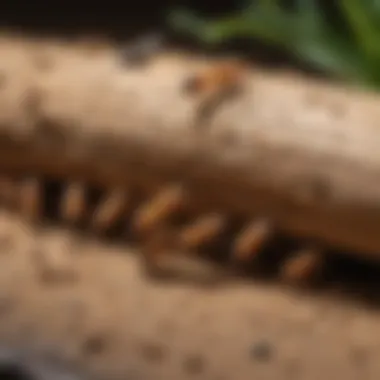
Recent studies indicate that Formosan termites have infiltrated areas outside urban settings, thus increasing potential threats to rural homes as well. Understanding the spread can be critical for proactive management.
Some key observations include:
- Urban Areas: Subway systems and multi-family dwellings often face extensive damage.
- Coastal Regions: Proximity to marine environments provides exceptionally favorable conditions for habitats.
- Inland Areas: Grassland regions may not be immune; survey results demonstrate they have invaded structures in northwest and northeast parishes via drought-stressed patches.
This dissemination fosters urgency for annual inspections and vetting weaknesses in structures within these infected regions.
Much of the damage caused by Formosan termites is preventable with vigilant awareness of their preferences and growth locations.
Knowing how these factors collaborate may save your home from significant degradation and ensure your investments remain protected.
Impact on Structures and the Environment
Formosan termites pose substantial challenges for both homes and natural ecosystems. Their ability to destroy wooden structures can lead to significant economic loss for homeowners and can affect the structural integrity of affected buildings. Beyond immediate damage, Formosan termites can serve as indicators of larger environmental issues. Their influence extends through various ecosystems where they reside, showing their dual impact on both human and environmental health.
Damage to Wooden Structures
Formosan termites are notorious for their capability to inflict extensive damage on wooden structures, particularly in humid environments like Louisiana. They can compromise the foundations, beams, and even furniture, leading to long-term issues and hefty repair bills. Unlike some other termite species, Formosan termites operate as colonies that include tens of thousands of individuals, multiplying the potential for damage.
Unlike damage from other pests that tends to leave external signs, Formosan termites may often lead to extensive internal destruction before any visible signs appear. Their propensity for tunneling within wood makes early detection difficult. Regular inspections of woodwork areas like driers, attics, and hidden beams are critical to identifying signs of infestation. Common indicators include:
- Hollow sounds when tapping on wood surfaces
- Discolored or blistered wood
- Mud tubes along structure foundations
Effective assessment often includes professional evaluations since a definitive check can save thousands in treatment and restoration costs down the line. Ensuring timber is treated and utilizing physical barriers can also reduce the risks of infestations.
Ecosystem Effects
The ramifications of Formosan termite activity go beyond mere damage within residential structures. In Louisiana’s diverse ecosystems, these termites play a complex role in nutrient cycling and decomposition. They aid in breaking down complex organic matter in decomposed wood, returning essential nutrients to the soil balance. However, irrespective of their ecological benefits, their impact increases when their population reaches levels that upset local ecosystems.
Excessive tunneling can significantly destabilize soil areas, fostering soil erosion. This situation may cause issues with local vegetation health and can disturb indigenous fauna dependent on the local landscapes affected by these insects. Such disruptions may lead to shifts in habitat availability for other species.
Identification Methods
Identification methods are crucial for homeowners and pest control professionals when dealing with Formosan termites. Recognizing the signs of these pests early can save significant costs and prevent extensive damage to structures. It also allows for timely intervention, forming a core component in pest management strategies aimed at mitigating potential impacts on homes. Understanding the best practices and technologies available is essential for an effective response.
Signs of Infestation
Recognizing the signs of an infestation is the first step in dealing with Formosan termites. Look for these key indicators:
- Mud Tubes: Formosan termites create mud tubes for safety while traveling. These tubes are commonly found along foundation walls, tree trunks, or any other structures.
- Swarmers: In the spring and summer, you might notice swarming termites, which are reproductive members searching for new nest sites. This occurrence indicates a mature colony.
- Wood Damage: Listen for sounds of 'faithing' wood, which might indicate tunneling within. Inspect wooden structures for hollow sounds or a papery surface.
- Frass: Their droppings, often resembling wood pellets, could be a sign of active feeding.
Approriate detection practices are important. Knowledge of these signs can empower homeowners to act swiftly.
Using Technology for Detection
Technological advancements provide powerful tools for termite detection. Here are some methods currently being utilized:
- Moisture Meters: Formosan termites thrive in moist environments. Using moisture meters can help locate areas at risk for infestation by identifying damp or decaying wood.
- Infrared Cameras: These devices detect thermal anomalies. If there is increased heat, it may indicate an infestation within the walls or structures.
- Acoustic Emission Detectors: These tools capture the sounds of termites feeding inside wooden structures. This technology is sophisticated and helps locate colonies that are not visible.
Implementing these technologies improves accuracy in detection processes. Homeowners should consider investing in such tools for added assurance.
Early identification and understanding of behaviors are vital. Staying vigilant allows for appropriate responses and intervention efforts against Formosan termites.
Preventative Measures
Preventative measures are central to managing Formosan termites effectively. Understanding the impact of these pests on homes is essential for homeowners in Louisiana. By adopting specific strategies, one can minimize risks associated with infestations. These measures not only protect structures from potential damage but also can lessen dependence on chemical treatments.
Home Maintenance Tips
Proper home maintenance is fundamental in termite prevention. Regular inspections and repairs can significantly reduce vulnerabilities. Here are practical steps homeowners can take:
- Inspect Foundations: Regularly check the foundation for signs of cracks or holes. Even small openings can provide access for termites.
- Seal Entry Points: Use caulk or sealant to close gaps around windows, doors, and any utility lines. Maintaining a tight seal can deter pests.
- Keep Wood Dry: Termites thrive in damp wood. Ensure that all wooden structures are dry, and correct any leaks in plumbing or roofing.
- Reduce Clutter: Keep areas like basements and attics clear of unnecessary wood or cardboard. These items provide termites attractive nesting options.
Maintaining these practices helps in the early identification of potential issues, fostering a proactive approach that can avert longstanding termite problems.
Landscaping Considerations
Landscaping plays a significant role in preventing Formosan termite infestations. It is prudent to consider landscape design and maintenance with termite control in mind. Essential guidelines include:
- Distance from Home: Ensure that wood mulch, firewood, or wooden structures like trellises are placed at least 12 inches away from the foundation to limit access for termites.
- Proper Plant Selection: Avoid planting overly dense vegetation against the house. Dense plant cover retains moisture, creating a more inviting habitat for termites.
- Regular Maintenance: Regularly trim shrubs and trees. Preventing exposure to moist areas limits reasons for termite attraction to your property.
By combining home care with thoughtful landscaping, homeowners can enhance their defense against these invasive species despite Louisiana's conducive climate.
Overall, building a well-maintained home environment bolstered by proper landscaping creates an unfavorable habitat for Formosan termites, leading to a more secure living space.
Control and Management Strategies
Controlling and managing Formosan termites is crucial for ensuring the safety and longevity of structures around Louisiana. These invasice pests are not only stubborn but also cause significiant damage if left unchecked. In this section, we will explore various strategies used to mitigate their impact, examining the role of both chemical and non-chemical approaches. By understanding the techniques available, home and property owners can take proactive steps to protect their investments.
Chemical Treatments
Chemical treatments are often a first line of defense against Formosan termites. These substances are specifically designed to either effectively kill termites or prevent them from entering structures. Some widely used chemical solutions are termiticides. These chemical barriers treat soil around the foundations or the wood surfaces that need protection. Here are some benefits of chemical treatments:
- Fast-acting solutions: Many chemical termiticides act quickly, resulting in reduced infestation risks in a short period.
- Long-lasting protection: Some products store in the soil for significant time, meaning ongoing protection without needing frequent application.
- Targeted treatment: Advanced plasma technologies allow pest control professionals to approach discreet areas of focus and methods for an enhanced effect.
However, each product selection must be performed under expert guidance due to detailed application procedures and necessary safety precautions. Always ensure to read label directions and follow integration recommendations with any pest management strategy.
Non-Chemical Alternatives
In addition to chemical treatments, numerous non-chemical alternatives are also effective in controlling Formosan termites. These options cater to individuals prefering eco-friendly or more humane approaches without compromising results. Include some which have become popular:
- Physical barriers: Installing physical barriers made from steel mesh or sand can prevent termite ingress during initial construction stages.
- Boric acid treatments: Boric acid is a natural insecticide often used for treatment. It disrupts the termite’s digestive systems when ingested, proving lethal over time.
- Wood treatments: Preservatives applied to wooden structures can deter infestations immediately. These treatments work sometimes even before building procedures begin.
Using a combination of these alternative methods usually leads to more flexible and efficient designs — depending on individual property needs.
Professional Pest Control Services
For severe infestations or complex issues, turning to professional pest control services is often essential. Trained pest control experts have the tools, knowledge, and experience to effectively deal with Formosan termites. There are various advantages to professional assistance:
- Expert Diagnosis: Professionals can correctly identify termite species and extent of the damage, leading to proper treatment.
- Informed Solutions: A licensed pest control service like Terminix typically knows the most effective and environmentally safe treatment options to meal with specific Circumstances.
- Ongoing Support: Many services offer regular checks and preventative options, providing peace of mind for homeowners worried about termite problems in the future.
Ultimately this saves more time and money in managing an unexpected situation.
Legislation and Regulations in Louisiana
Understanding the legislative framework concerning Formosan termites in Louisiana is crucial not only for homeowners but also for pest control professionals. Such regulations ensure effective management and control of termite populations, which can devastate structures and landscapes.
Keeping track of these guidelines helps residents adhere to best practices for prevention and treatment. This proactive approach reduces situations where infestations arise, thus limiting damage and costs down the line, fostering a sense of community responsibility towards shared housing practices.
State Guidelines for Termite Control
Louisiana has specific guidelines aimed at preventing and controlling termite infestations. These guide homeowners on responsibilities and best practices. Key components of these state guidelines include:
- Inspection Requirements: Households must perform regular inspections to spot signs of infestations early. Failure to report pest problems can lead to more substantial property damage and costly repairs.
- Remediation Protocols: Upon identification, a licensed pest control professional must carry out any necessary treatment. These professionals must comply with local protocols, safeguarding public health and the environment from improper chemical usage.
- Documentation and Reporting: Homeowners have an obligation to document inspections and treatments thoroughly. This transparency aids in understanding the structural history concerning termites, supporting building transactions and insurance claims.
By following these provisions, homeowners can ensure they remain compliant and maintain the integrity of their property.
Environmental Policies
In addition to state guidelines, Louisiana's environmental policies also inform termite management and control strategies. These policies focus on protecting local ecosystems while managing termite threats. Notable aspects of these environmental initiatives include:
- Integrated Pest Management (IPM): This approach blends cultural, physical, biological, and chemical strategies to manage pests sustainably. By promoting IPM, the legislation stakes a balance between effective pest control and environmental preservation.
- Restrictions on Chemicals: Certain chemical treatments are regulated to minimize potential harm to non-target species and groundwater supplies. Homeowners are encouraged to seek eco-friendly alternatives when possible and to engage licensed professionals who abide by these limits.
Greater awareness of these environmental policies leads to more informed decisions overall, prioritizing health and sustainability.
Homeowners play a pivotal role in adhering to regulations, significantly influencing their home’s safety.
Moreover, these regulations promote public awareness, emphasizing the responsibilities of homeowners in their private property management. Staying informed doesn't only help individual residents but bolsters communal integrity as well. Considering the importance of these regulations, compliancy appears as both a protective measure and a legal obligation in the face of Formosan termite challenges.
Research and Innovations in Termite Management
Research and innovations in termite management are critical for addressing the persistent challenge posed by Formosan termites. These pests are not just a nuisance; they threaten structural integrity and economic stability for homeowners in Louisiana. Advancements in our understanding of their behavior, biology, and impact on the ecosystem can facilitate the development of effective and sustainable control strategies.
Continued research is vital for discovering targeted solutions that minimize damage and reduce reliance on chemical interventions. Innovations in technology also pave the way to more efficient detection methods and the assessment of termite populations.
Current Studies and Findings
Recent research has focused on various aspects of Formosan termite behavior and their interactions within the ecosystem. One significant area of study is their foraging patterns. By understanding these patterns, researchers can identify and improve baiting strategies to make them more effective.
Some studies have explored the role of gut microbiomes in termite digestion, leading to insights that may allow improvements in bait formulations by targeting specific gut bacteria. Additionally, advancements in remote sensing and monitoring techniques provide researchers with real-time data regarding infestations. This data can help homeowners and pest control operators apply preventative measures before serious damage occurs.
Insights from current research reveal that integrated pest management approaches, which combine natural predators with chemical treatments, can lead to successful termite control outcomes.
Future Directions in Research
Future research initiatives should continue exploring alternative methods to manage Formosan termites. Increasing emphasis will be placed on eco-friendly solutions in response to growing concerns over environmental effects from chemical pesticides. This includes studies on pathogenic organisms specific to termites and the development of biological controls that harness natural enemies.
Moreover, the potential for genetic research to intervene in termite reproduction or colony formation is promising. Researchers may one day utilize gene-editing technology to severely disrupt the life cycles of these pests. This opens the door for breakthroughs that not only protect structures but may also restore ecosystems affected by extensive termite activity. Experiments aimed at gauging the social behavior of termites can identify potential weaknesses in colony cohesion, offering further management possibilities.
Long-term studies and collaborative efforts between researchers, pest control professionals, and homeowners will be essential. Such partnerships can ensure that findings are practical and can translate into accessible, effective solutions for termite management in Louisiana.
End
The analysis of Formosan termites in Louisiana unveils crucial insights about their behavior, impact, and management. Recognizing the significance of effective termite management can be life-changing for homeowners, particularly in Louisiana, where these pests thrive.
Recap of Important Points
- Understanding Formosan termites is vital for effective control and prevention.
- Biological characteristics lead to unique destructiveness compared to other termite species. Recognizing their physical attributes and life cycles aids in more accurate identification.
- Their distribution across Louisiana brings further challenges due to varying ecological habitats they adapt to.
- Understand damages caused by infestations, specifically to wooden structures, highlighting the financial risks homeowners can face.
- Invest in proactive methods such as home maintenance and landscaping to minimize infestations.
- Familiarity with local regulations supports homeowners in compliance while advancing pest control efforts.
- Attention to recent research developments could guide innovative management strategies. These may carve a progressive path for how one approaches Termite management.
Final Thoughts on Formosan Termite Management
Management of Formosan termites demands a comprehensive approach that encompasses multiple strategies. Techniques range from preventive measures at home to employing pest control experts. Homeowners should understand that fighting these pests does not conclude simply with elimination. Continuation of maintenance practices and staying informed about new developments in termite research strengthens resistance to future threats.
A final point of mention is the importance of awareness among homeowners. Knowledge serves as the first line of defense. The more informed individuals are about the specific characteristics and patterns of Formosan termites, the better prepared they will be in taking decisive steps to protect their property.
By appreciating these aspects, households can secure their homes, ensuring a safe and stable living environment.
Immunizing homes against these pests complements understanding regulations in effect within their locality. Effective management translates not just for properties but the preservation of societal structure against infestations.